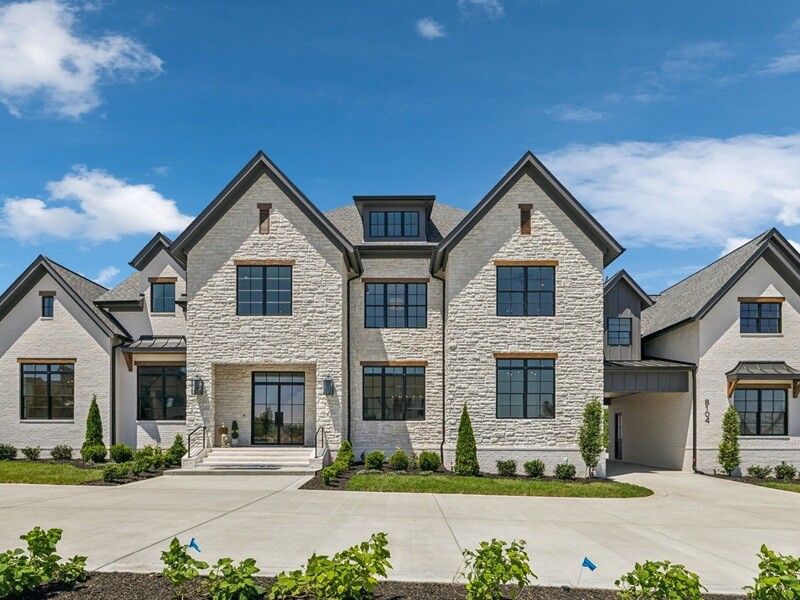
Smart & Sustainable Homes: The New Standard of Luxury in Nashville’s 2026 Market
Imagine waking up in a home that brightens the room at your preferred time, adjusts the thermostat to your daily rhythm, and maintains energy costs far below traditional homes. This isn’t a futuristic fantasy—it’s the present reality shaping Nashville’s most luxurious new construction communities.
As Nashville continues to attract tech-savvy professionals from cities like Austin, Denver, and Seattle, demand for intelligent and eco-conscious home design has exploded. The result: 2026 is becoming the year where smart technology and sustainability define true luxury living.
What You’ll Discover in This Article
Why smart and sustainable features are transforming Nashville’s luxury market
Top smart home technologies and eco-focused innovations in 2026
How energy-efficient homes create long-term financial value
Communities leading the smart home movement
Key questions to ask when evaluating new construction homes
Why Nashville’s Luxury Market Is Embracing Smart + Sustainable Living
Nashville’s booming growth has positioned it as a leader in residential innovation. National housing research shows that energy-efficient features now rank among the top priorities for modern homebuyers, with smart technology close behind. Some homes reduce utility costs by over thirty percent.
The region’s expanding tech ecosystem has also created a population that expects seamless digital integration in every aspect of life—including their living space. Smart and sustainable features now directly affect both desirability and resale value.
The Smart Technology Revolution
Today’s high-end builds integrate lighting, security, climate control, appliances, entertainment systems, and more into unified platforms. These systems respond to voice commands or smartphone apps. They’re no longer luxury add-ons—they’re foundational.
AI-Powered Adaptive Living
The most advanced homes feature AI systems that learn daily habits and automatically adjust climate, lighting, and appliance usage. Communities in Brentwood, Franklin, and Nolensville are leading this next-level innovation.
Enhanced Security
Modern security systems now include:
AI-enhanced motion detection
Smart doorbells with facial recognition
Remote monitoring from any location
Lighting automation that simulates occupancy
Smarter Energy Management
Real-time energy dashboards allow homeowners to monitor usage room-by-room and appliance-by-appliance, making it easy to maximize efficiency and save money.
Sustainable Design That Elevates Luxury
Nashville’s premier new construction homes combine elegance with eco-forward engineering. Solar-ready roofing, low-emissivity windows, high-efficiency HVAC systems, and innovative insulation techniques are quickly becoming standard.
Energy Star reports that certified homes are at least fifteen percent more efficient than typical builds—and many Nashville properties exceed that threshold substantially.
Eco-Friendly Features On the Rise
Locally sourced hardwoods and stone
Recycled and reclaimed materials
Low-VOC paints for cleaner indoor air
Premium sustainable flooring options
Water Conservation Without Sacrificing Comfort
Smart irrigation systems, drought-resistant landscaping, and high-efficiency plumbing fixtures now define the modern eco-luxury lifestyle across Middle Tennessee.
Superior Indoor Air Quality
Advanced purification systems, whole-home filters, and green HVAC designs ensure healthier, cleaner air—an increasingly important component of premium home wellness.
The Economic Advantage of Smarter Homes
While smart and sustainable features require an upfront investment, they deliver strong long-term savings and can significantly boost resale value. Homes with high efficiency and integrated tech consistently sell faster and at higher prices.
Financial Incentives
Federal tax credits for energy-efficient construction
TVA rebate programs
Insurance discounts with smart security systems
Green financing options offering reduced mortgage rates
Communities Leading the Smart Home Movement
Brentwood excels in blending state-of-the-art smart tech with refined luxury design.
Franklin masterfully merges historic charm with digital innovation.
Nolensville appeals to families seeking comfort, intelligence, and efficiency.
Key Questions to Ask Builders
Which smart features are standard vs. upgrades?
What sustainability certifications does the home hold?
How does the builder handle materials and waste?
What warranties cover smart systems and energy components?
Your Smart, Sustainable Future Begins Now
Nashville’s 2026 luxury homes redefine comfort, intelligence, and environmental responsibility. As the region grows, today’s forward-thinking designs are shaping the future of Middle Tennessee living.
If you’re a real estate professional, mortgage lender, insurance advisor, or aspiring agent, understanding smart home technology is becoming essential. Cameron Academy helps professionals stay ahead through industry-leading licensing and continuing education programs designed for the modern market.
Select options
This product has multiple variants. The options may be chosen on the product page
Details
More Articles
Getting licensed or staying ahead in your career can be a journey—but it doesn’t have to be overwhelming. Grab your favorite coffee or tea, take a moment to relax, and browse through our articles. Whether you’re just starting out or renewing your expertise, we’ve got tips, insights, and advice to keep you moving forward. Here’s to your success—one sip and one step at a time!
The debut episode of NAR’s Change Agents podcast highlights why real estate expertise is more valuable than ever in an AI-driven world. eXp Realty CEO Leo Pareja explains that while technology accelerates communication and connections, consumers still rely on seasoned professionals to guide them through life’s biggest financial decisions. From the Everest analogy to real-world AI success stories, the conversation reveals how trust, transparency, and expert guidance remain the core of the real estate experience.
U.S. 30‑year mortgage rates have dipped to 5.98%, breaking below 6% for the first time since 2022. This third consecutive weekly decline signals a potentially energized spring buying season as lower Treasury yields and easing market anxiety push rates down. Buyers, sellers, and real estate professionals may see renewed activity as affordability slightly improves and refinancing picks up momentum.
A sweeping federal reporting requirement is about to impact how companies, trusts, investors, and even cash buyers purchase residential real estate. FinCEN’s new rule closes long‑standing loopholes that allowed anonymous all‑cash property deals, requiring many entity-based buyers to disclose their true beneficial owners. Real estate agents, brokers, and advisors should brace for workflow changes and increased compliance responsibilities, while investors are urged to review their acquisition structures now to avoid delays once the rule takes effect.
After briefly dipping below 6 percent for the first time in years, mortgage rates have surged again following U.S.-Israeli military strikes on Iran. Rising oil prices and a jump in Treasury yields have pushed the average 30-year fixed rate back to 6.12 percent, creating fresh uncertainty just as the spring housing market was gaining traction. Experts warn that continued geopolitical instability could keep rates elevated, while upcoming U.S. employment data may determine whether relief is on the horizon for buyers and sellers.
New 2026 data reveals that the average life insurance policy costs just 26 dollars a month—less than most lunch outings—making it more affordable than many professionals expect. Rates vary based on age, health, gender, smoking habits, and term length, with younger and healthier applicants paying significantly less. As real estate, mortgage, insurance, and finance professionals plan long-term financial stability, understanding these pricing factors is crucial.