Smart Technology Meets Sustainability at 171 Garden Heights
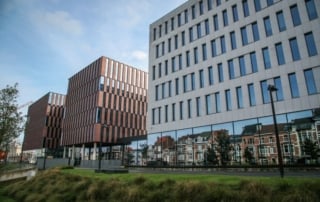
In an ambitious stride towards sustainable urban living, Jad Global Real Estate Development has unveiled its latest venture,
171 Garden Heights, nestled in the vibrant heart of Jumeirah Garden City. With a mammoth investment of $68 million (AED 250 million), this development is not just a luxury residential project—it’s a beacon of modern, eco-conscious living.
Revolutionary Smart Technology
171 Garden Heights is at the forefront of integrating
smart home systems designed to enhance both convenience and energy efficiency. Residents can effortlessly control lighting, temperature, and security systems remotely through smartphones or voice-activated devices. This level of automation allows for optimized energy usage tailored to daily routines.
The building’s infrastructure is equipped with
smart energy management systems that employ sensors to monitor and regulate consumption, ensuring lights and air conditioning are used judiciously. Such innovation is pivotal in reducing overall power usage and minimizing waste.
Smart security systems further elevate the living experience. With remote access to cameras, smart locks, and alarms, residents can maintain vigilance over home security, even when miles away.
Sustainable Features for a Greener Future
Aligned with Dubai’s commitment to sustainable urban development,
171 Garden Heights incorporates a host of sustainability-focused features:
- Energy Efficiency: The building employs LED lighting, energy-efficient appliances, and high-performance insulation, significantly reducing electricity usage. Learn more about energy-saving initiatives like the DIPS LED Lights Retrofit Project.
- Water Conservation: Features such as low-flow faucets and irrigation systems are installed to minimize water consumption, contributing to Dubai’s water conservation goals.
- Sustainable Materials: Construction utilizes eco-friendly materials, including low-emission finishes and sustainably sourced resources, reducing the environmental impact.
- EV Charging Stations: Catering to the global shift towards green transportation, the development includes EV charging stations, supporting sustainable mobility in Dubai. More on this can be found in the Partnership to Enhance Dubai’s Housing Ecosystem.
Amenities and Connectivity
171 Garden Heights offers a suite of premium amenities, including an infinity pool, a modern fitness center, a spacious clubhouse, and covered parking facilities. These amenities are designed to ensure a high standard of living while promoting sustainability.
Located in the coveted Jumeirah Garden City, the development offers proximity to several of Dubai’s major landmarks, including Sheikh Zayed Road, DIFC, and City Walk. A planned metro station nearby will further enhance connectivity, providing efficient transportation options and reducing reliance on private vehicles.
Dubai’s Green Building Movement
Dubai has been a frontrunner in promoting eco-friendly developments. As of 2023, approximately 72,000 buildings in the city adhere to green building specifications, constituting about 58% of all buildings. The city’s commitment is further highlighted by over 1,100
LEED-certified structures.
Notable eco-friendly developments in Dubai include
The Sustainable City, the UAE’s first zero-energy development, and
Expo 2020 Dubai, which showcased 121 LEED-certified buildings, reflecting sustainable practices in construction and design.
For more insights and details, the original article can be accessed through
Environment+Energy Leader.