Smart Technology Meets Sustainability at 171 Garden Heights

In an ambitious stride towards sustainable urban living, Jad Global Real Estate Development has unveiled its latest venture, 171 Garden Heights, nestled in the vibrant heart of Jumeirah Garden City. With a mammoth investment of $68 million (AED 250 million), this development is not just a luxury residential project—it’s a beacon of modern, eco-conscious living.

Revolutionary Smart Technology

171 Garden Heights is at the forefront of integrating smart home systems designed to enhance both convenience and energy efficiency. Residents can effortlessly control lighting, temperature, and security systems remotely through smartphones or voice-activated devices. This level of automation allows for optimized energy usage tailored to daily routines.
The building’s infrastructure is equipped with smart energy management systems that employ sensors to monitor and regulate consumption, ensuring lights and air conditioning are used judiciously. Such innovation is pivotal in reducing overall power usage and minimizing waste.
Smart security systems further elevate the living experience. With remote access to cameras, smart locks, and alarms, residents can maintain vigilance over home security, even when miles away.

Sustainable Features for a Greener Future

Aligned with Dubai’s commitment to sustainable urban development, 171 Garden Heights incorporates a host of sustainability-focused features:
  • Energy Efficiency: The building employs LED lighting, energy-efficient appliances, and high-performance insulation, significantly reducing electricity usage. Learn more about energy-saving initiatives like the DIPS LED Lights Retrofit Project.
  • Water Conservation: Features such as low-flow faucets and irrigation systems are installed to minimize water consumption, contributing to Dubai’s water conservation goals.
  • Sustainable Materials: Construction utilizes eco-friendly materials, including low-emission finishes and sustainably sourced resources, reducing the environmental impact.
  • EV Charging Stations: Catering to the global shift towards green transportation, the development includes EV charging stations, supporting sustainable mobility in Dubai. More on this can be found in the Partnership to Enhance Dubai’s Housing Ecosystem.

Amenities and Connectivity

171 Garden Heights offers a suite of premium amenities, including an infinity pool, a modern fitness center, a spacious clubhouse, and covered parking facilities. These amenities are designed to ensure a high standard of living while promoting sustainability.
Located in the coveted Jumeirah Garden City, the development offers proximity to several of Dubai’s major landmarks, including Sheikh Zayed Road, DIFC, and City Walk. A planned metro station nearby will further enhance connectivity, providing efficient transportation options and reducing reliance on private vehicles.

Dubai’s Green Building Movement

Dubai has been a frontrunner in promoting eco-friendly developments. As of 2023, approximately 72,000 buildings in the city adhere to green building specifications, constituting about 58% of all buildings. The city’s commitment is further highlighted by over 1,100 LEED-certified structures.
Notable eco-friendly developments in Dubai include The Sustainable City, the UAE’s first zero-energy development, and Expo 2020 Dubai, which showcased 121 LEED-certified buildings, reflecting sustainable practices in construction and design.
For more insights and details, the original article can be accessed through Environment+Energy Leader.

More Articles

Getting licensed or staying ahead in your career can be a journey—but it doesn’t have to be overwhelming. Grab your favorite coffee or tea, take a moment to relax, and browse through our articles. Whether you’re just starting out or renewing your expertise, we’ve got tips, insights, and advice to keep you moving forward. Here’s to your success—one sip and one step at a time!

Judge Blocks Class Status in Major Commission Lawsuit, Shaking Up the Real Estate Industry

A federal judge has denied class‑certification in the high‑stakes Batton commission lawsuit, delivering a temporary win for NAR and major brokerages while leaving the door open for plaintiffs to try again. With as much as $3.6 billion in potential damages on the line and nearly 80% of the proposed class now disqualified due to conflicts with earlier settlements, the case stands at a pivotal moment. Real estate professionals nationwide — especially in Florida — should watch closely, as the ruling could shape the future of buyer‑agent compensation.

Florida Homeowners Hit Hard by Skyrocketing Insurance Rates as Lawmakers Race Toward Reform

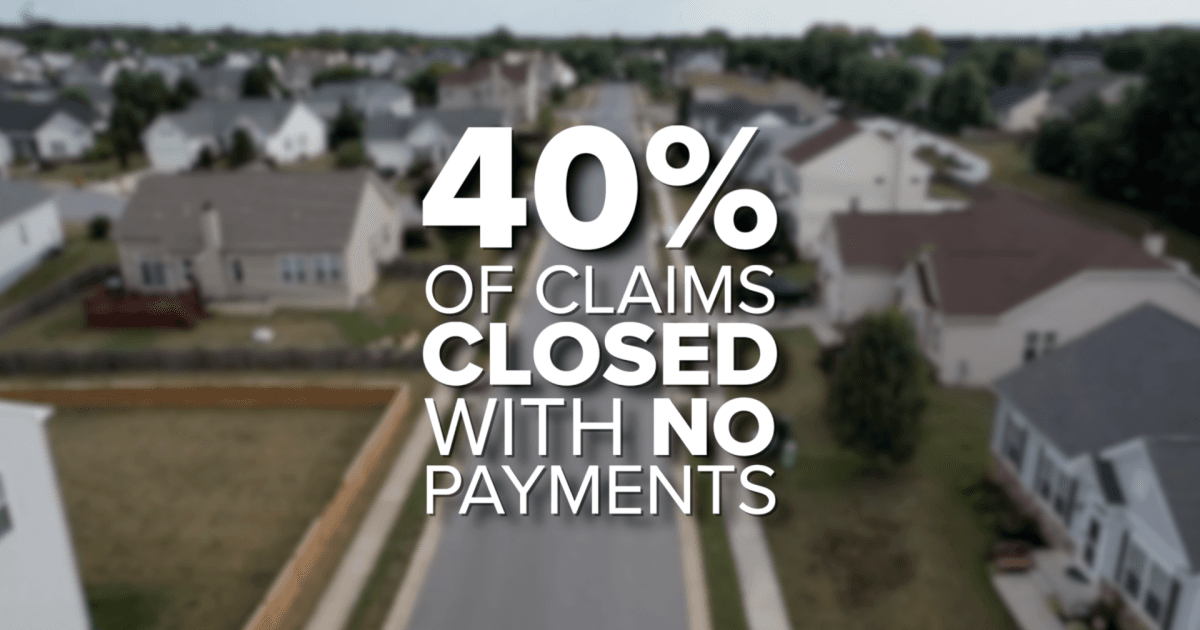
Florida homeowners are paying nearly double the national average for insurance, with premiums now reaching $5,838 a year and denied claims topping 40 percent. Residents report tripled rates, underpaid claims, and mounting financial strain, pushing lawmakers in Tallahassee to propose caps on rate hikes, tax breaks for storm‑proof upgrades, and tighter oversight of insurers. These developments are reshaping real estate and insurance conversations across the state as professionals brace for major industry shifts.

Inside Berkshire County’s Surging 2025 Real Estate Market: Q3 Deep Dive

Berkshire County closed Q3 2025 with strong momentum as sales, dollar volume, and buyer competition all climbed year‑over‑year. Inventory showed slight improvement but remains far below demand, keeping the market tilted toward sellers. Single‑family homes and condos led the surge, while multifamily, land, and commercial sectors showed mixed performance. The region continues to stand out as one of New England’s most resilient real estate markets heading into 2026.

Florida Homeowners Are Reaching a Breaking Point as Insurance Costs Skyrocket

Florida homeowners now face the highest insurance burdens in the nation, with average premiums topping $5,800 per year—roughly $3,000 above the national average. As rates triple for some residents, more Floridians are skipping coverage altogether, while denied claims and slow payouts add to the frustration. With over 40 percent of claims closing with no payment and lawmakers battling over reform in Tallahassee, the crisis is reshaping budgets, homebuying decisions, and the real estate industry statewide.

How Global Investors Are Rewriting the Real Estate Playbook for 2026

Global capital is surging back into real estate—and this time, investors want more control. Colliers’ 2026 Global Investor Outlook reveals a major shift toward direct investments, joint ventures, and hands‑on strategies as money moves across North America, Europe, and the booming Asia‑Pacific markets. Data centers are now the top‑funded asset class, offices are staging a comeback, and adaptive reuse is reshaping cities worldwide. For real estate and finance professionals, the message is clear: opportunity is accelerating, and those with the right education and licensing will be at the center of the action.

Why Lower Interest Rates Still Aren’t Saving Commercial Real Estate

The Fed’s recent rate cuts should have offered relief to commercial real estate—but long-term borrowing costs haven’t budged. While short‑term rates are falling, stubborn long‑term yields, broken deal math, and a trillion‑dollar refinancing wave are keeping the market frozen. For investors and professionals across Florida and the nation, understanding this disconnect is key to navigating the opportunities and risks emerging in today’s shifting CRE landscape.