Soaring Mortgage Rates Reach Highest Level in Over Two Decades
Market Shockwaves Emerge from Unprecedented Surge in Mortgage Rates
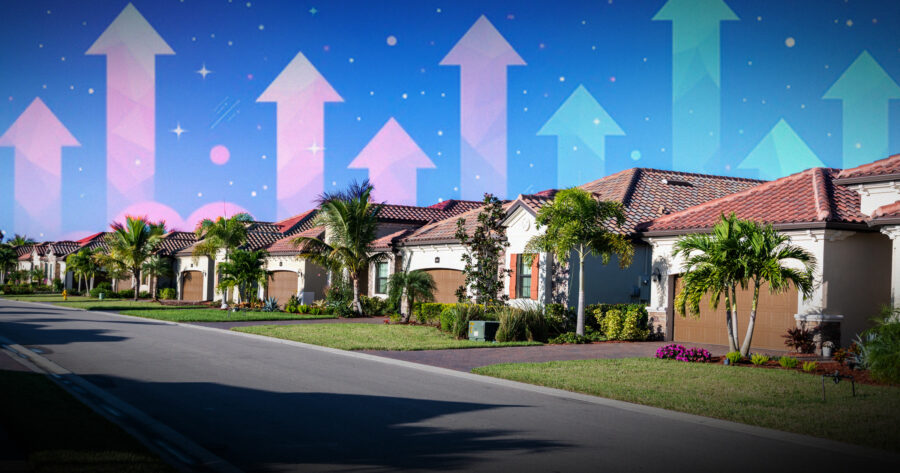
In a startling turn of events, mortgage rates have skyrocketed to their highest level since 2000. This unprecedented surge is causing ripples throughout the housing market, with potential homebuyers feeling the impact of these soaring rates. The surge is driven by a combination of factors, including inflation concerns and the Federal Reserve’s plan to taper its bond-buying program. As the economy continues to recover from the pandemic, inflationary pressures are mounting, leading to higher borrowing costs. This article delves into the details of this alarming trend and its potential implications for the housing market.
Behind the Surge: Key Factors
The surge in mortgage rates can be attributed to various factors. One of the primary drivers is the mounting concerns over inflation. As the economy rebounds from the impact of the COVID-19 pandemic, inflationary pressures are on the rise. This has led to an increase in borrowing costs, including mortgage rates. Additionally, the Federal Reserve’s decision to taper its bond-buying program has further contributed to the surge. These combined factors have created a perfect storm, pushing mortgage rates to unprecedented levels.

Housing Market Impact
The surge in mortgage rates is expected to have a significant impact on the housing market. Higher rates make homes less affordable for potential buyers, potentially leading to a slowdown in home sales transactions. This comes at a critical time as we enter the fall season, traditionally a slower period for the housing market. The combination of rising rates and a potential slowdown in transactions paints a challenging picture for both buyers and sellers.
Industry experts are closely monitoring the situation and expressing concerns over the potential consequences. The housing market, which has been experiencing a strong recovery, may face headwinds as affordability becomes a growing issue. It is crucial for potential homebuyers to carefully consider their options and explore strategies to mitigate the impact of these surging rates.

Comparing Current Rates to Historical Data
While the surge in mortgage rates is alarming, it is essential to provide context by comparing the current rates to historical data. Despite reaching their highest level since 2000, mortgage rates are still relatively low compared to previous decades. For instance, in 2000, the average rate for a 30-year fixed-rate mortgage was around 8%. This historical perspective highlights the importance of considering long-term trends and not solely focusing on the recent surge.

Guidance for Potential Homebuyers
In light of the surge in mortgage rates, it is crucial for potential homebuyers to navigate the current market conditions wisely. One key piece of advice is to shop around and compare rates from different lenders. By exploring multiple options, homebuyers can potentially find better deals and secure more favorable terms. Additionally, it is essential to stay informed about the latest developments in the housing market and seek guidance from industry professionals to make informed decisions.
While the current surge in mortgage rates may seem daunting, it is important to remember that the housing market is resilient. By staying proactive and well-informed, potential homebuyers can adapt to the changing landscape and find opportunities even in challenging times.
Deciphering the Surge in Mortgage Rates
The recent surge in mortgage rates to their highest level since 2000 has sent shockwaves through the housing market. Driven by inflation concerns and the Federal Reserve’s plans to taper its bond-buying program, these soaring rates are causing challenges for potential homebuyers. However, it is important to note that rates are still historically low compared to previous decades. As the market adjusts to these new conditions, potential homebuyers are advised to stay informed, explore their options, and seek guidance from industry professionals. By taking a proactive approach, homebuyers can navigate the current landscape and find opportunities for homeownership.
Ready to take the next step in your homebuying journey? Explore Cameron Academy’s online career education courses today and gain the knowledge and skills to make informed decisions in the real estate market.
Real Estate Education: Empowerment for Your Future
Discover the benefits of online career education at Cameron Academy. Led by founder and CEO Michael Cameron, our academy is committed to providing innovative, interactive learning experiences tailored to your specific needs and goals. Whether you’re looking to renew your professional license, obtain a certification, or embark on a new career in real estate, we have flexible courses designed to fit your schedule and set you up for success.
Ready to take your career to the next level? Explore our online career education courses today and unlock a world of opportunities.
Your Future Investment: A Successful Career in Real Estate
Take the first step towards a successful career in real estate. Enroll in our courses and gain the knowledge and expertise to thrive in the industry. Don’t miss out on this opportunity!
Explore Our Courses