In the ongoing quest to tackle the housing crisis, urban planners and policymakers are exploring a myriad of solutions. The relationship between zoning and housing affordability remains a complex puzzle. As highlighted in a recent article from The Urbanist, the multifaceted approach to resolving these issues includes proposals ranging from the abolition of zoning to the implementation of stricter inclusionary zoning policies.


One of the key strategies discussed is the Multifamily Tax Exemption program, which has been instrumental in generating affordable housing while incentivizing apartment construction. However, changes to this program could disrupt the balance, potentially deterring builders from participating.


Urbanists are also considering the benefits of boosting housing production and increasing density to lower prices. This includes building more affordable homes and protecting existing communities from displacement. According to William Fischel, author of Zoning Rules, “More housing is more housing. It’s not just a particular kind of housing [that is needed].”


The article references a study by Vicki Been and colleagues from NYU, which found that increasing housing supply can slow rent growth. Economist Noah Smith suggests a nuanced approach, advocating for building “Yuppie fishtanks” to attract high-income families while also developing affordable housing to prevent gentrification and stabilize rents.


Social Housing Models

Another promising avenue is the exploration of social housing models, as seen in Europe and Singapore. Both Seattle and New York City are considering legislation to establish Social Housing Development Authorities. These authorities would focus on building, acquiring, and converting housing into social housing, with a strong emphasis on resident and union participation.


Technological Shifts and Zoning Obsolescence

Sonia Hirt, author of Zoned in the USA, suggests that the shift towards remote work could render traditional zoning systems obsolete. As technology continues to evolve, the integration of daily life and workspaces may lead to significant changes in urban planning.


Addressing past injustices, Richard Kahlenberg emphasizes the need for school system reforms. He advocates for public school choice to ensure that educational quality is not solely determined by neighborhood affluence. Additionally, he proposes an “Economic” Fair Housing Act to challenge exclusionary zoning practices.


The call for reparations, as argued by Ta-Nehisi Coates in his essay The Case for Reparations, underscores the historical impact of housing discrimination and redlining. Various cities are already taking steps to address these past wrongs.


Case Studies

Seattle: Recent legislation in Washington state has overridden cities’ powers to ban multi-family zoning, although wealthy neighborhoods like Broadmoor remain exempt. Seattle’s Comprehensive Plan aims to incentivize multi-family housing, but some argue it lacks ambition.


Minneapolis: Known for abolishing single-family zoning, the city has seen modest growth in duplexes and triplexes. However, multi-family housing continues to be the primary driver of affordability.


San Francisco: Despite its progressive reputation, a significant portion of the city remains zoned for single-family housing, perpetuating racial and economic segregation. A California law aimed at abolishing single-family zoning faces legal challenges.


Conclusions

While zoning has historically aimed to maintain positive land uses, its implementation has often resulted in negative consequences for marginalized communities. The shift towards YIMBYism (Yes In My Back Yard) and innovative solutions offers hope for a more equitable urban future.


For more detailed insights and analysis, the full article can be accessed here.

More Articles

Getting licensed or staying ahead in your career can be a journey—but it doesn’t have to be overwhelming. Grab your favorite coffee or tea, take a moment to relax, and browse through our articles. Whether you’re just starting out or renewing your expertise, we’ve got tips, insights, and advice to keep you moving forward. Here’s to your success—one sip and one step at a time!

Is Florida’s Booming Real Estate Market Becoming Unaffordable?

Florida is facing a real estate crisis marked by skyrocketing insurance premiums, stringent FEMA rules, and a surge in hedge fund property acquisitions.

By |November 14, 2024|Categories: Article, Finance/Economy, Real Estate|Tags: , |0 Comments

Revolutionizing Cancer Therapy: The Promise of Patient-Derived Organoids

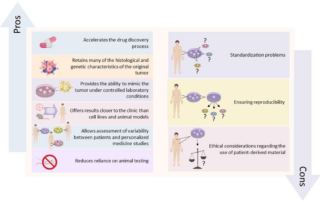
Patient-derived organoids offer an unprecedented opportunity to replicate the complex structure and genetic makeup of cancers, providing a more accurate model for clinical drug screening and pharmacognostic assessment.

The AI Revolution in Dermatology: A Systematic Review

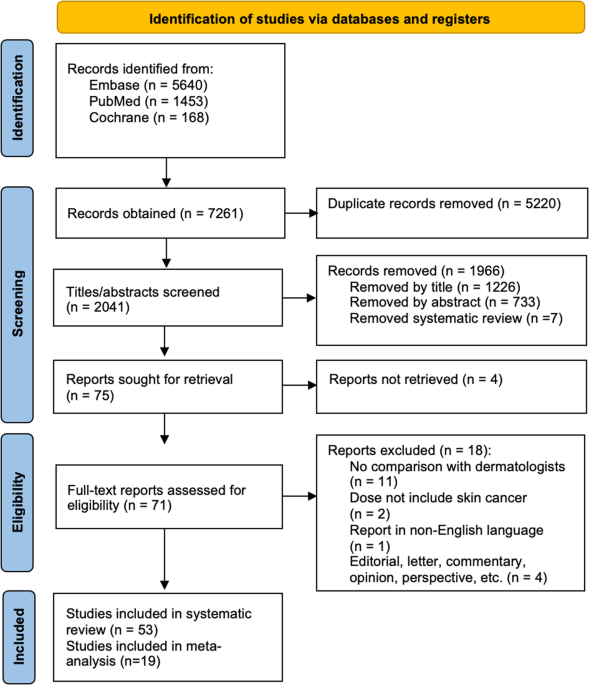
In a groundbreaking study published in Nature, researchers have delved into the burgeoning field of artificial intelligence (AI) in dermatology, specifically examining its role in diagnosing skin cancer. The study, titled "A Systematic Review and Meta-Analysis of Artificial Intelligence Versus Clinicians for Skin Cancer Diagnosis," offers a comprehensive look at how AI stacks up against human clinicians in this critical area of healthcare.

By |November 14, 2024|Categories: AI in Healthcare, Article, Dermatology|Tags: , |0 Comments

The Fast Lane to Fully Autonomous Vehicles: Industry Innovations and Future Prospects

The automotive world is abuzz with announcements from major players like Tesla, Rimac, Renault, and Nissan, each unveiling plans to introduce autonomous vehicles in the near future. Tesla's much-anticipated "CyberCab" is set for an October 2024 debut, while Rimac and Renault are gearing up for releases in 2026.

Futureproofing for Insurers: The Role of AI and Hyper-Personalization

In a rapidly evolving industry, insurance companies are turning to artificial intelligence (AI) and hyper-personalization to stay ahead of the curve.

Revolutionizing Healthcare: The Power and Potential of AI

AI technology offers a multitude of benefits, from enhancing patient outcomes to reducing healthcare costs and improving population health. Its application ranges from preventive screenings to complex diagnostic procedures, marking a new era in medical care.

By |November 13, 2024|Categories: Article, Artificial Intelligence, Healthcare|Tags: , |0 Comments