In the ongoing quest to tackle the housing crisis, urban planners and policymakers are exploring a myriad of solutions. The relationship between zoning and housing affordability remains a complex puzzle. As highlighted in a recent article from The Urbanist, the multifaceted approach to resolving these issues includes proposals ranging from the abolition of zoning to the implementation of stricter inclusionary zoning policies.


One of the key strategies discussed is the Multifamily Tax Exemption program, which has been instrumental in generating affordable housing while incentivizing apartment construction. However, changes to this program could disrupt the balance, potentially deterring builders from participating.


Urbanists are also considering the benefits of boosting housing production and increasing density to lower prices. This includes building more affordable homes and protecting existing communities from displacement. According to William Fischel, author of Zoning Rules, “More housing is more housing. It’s not just a particular kind of housing [that is needed].”


The article references a study by Vicki Been and colleagues from NYU, which found that increasing housing supply can slow rent growth. Economist Noah Smith suggests a nuanced approach, advocating for building “Yuppie fishtanks” to attract high-income families while also developing affordable housing to prevent gentrification and stabilize rents.


Social Housing Models

Another promising avenue is the exploration of social housing models, as seen in Europe and Singapore. Both Seattle and New York City are considering legislation to establish Social Housing Development Authorities. These authorities would focus on building, acquiring, and converting housing into social housing, with a strong emphasis on resident and union participation.


Technological Shifts and Zoning Obsolescence

Sonia Hirt, author of Zoned in the USA, suggests that the shift towards remote work could render traditional zoning systems obsolete. As technology continues to evolve, the integration of daily life and workspaces may lead to significant changes in urban planning.


Addressing past injustices, Richard Kahlenberg emphasizes the need for school system reforms. He advocates for public school choice to ensure that educational quality is not solely determined by neighborhood affluence. Additionally, he proposes an “Economic” Fair Housing Act to challenge exclusionary zoning practices.


The call for reparations, as argued by Ta-Nehisi Coates in his essay The Case for Reparations, underscores the historical impact of housing discrimination and redlining. Various cities are already taking steps to address these past wrongs.


Case Studies

Seattle: Recent legislation in Washington state has overridden cities’ powers to ban multi-family zoning, although wealthy neighborhoods like Broadmoor remain exempt. Seattle’s Comprehensive Plan aims to incentivize multi-family housing, but some argue it lacks ambition.


Minneapolis: Known for abolishing single-family zoning, the city has seen modest growth in duplexes and triplexes. However, multi-family housing continues to be the primary driver of affordability.


San Francisco: Despite its progressive reputation, a significant portion of the city remains zoned for single-family housing, perpetuating racial and economic segregation. A California law aimed at abolishing single-family zoning faces legal challenges.


Conclusions

While zoning has historically aimed to maintain positive land uses, its implementation has often resulted in negative consequences for marginalized communities. The shift towards YIMBYism (Yes In My Back Yard) and innovative solutions offers hope for a more equitable urban future.


For more detailed insights and analysis, the full article can be accessed here.

More Articles

Getting licensed or staying ahead in your career can be a journey—but it doesn’t have to be overwhelming. Grab your favorite coffee or tea, take a moment to relax, and browse through our articles. Whether you’re just starting out or renewing your expertise, we’ve got tips, insights, and advice to keep you moving forward. Here’s to your success—one sip and one step at a time!

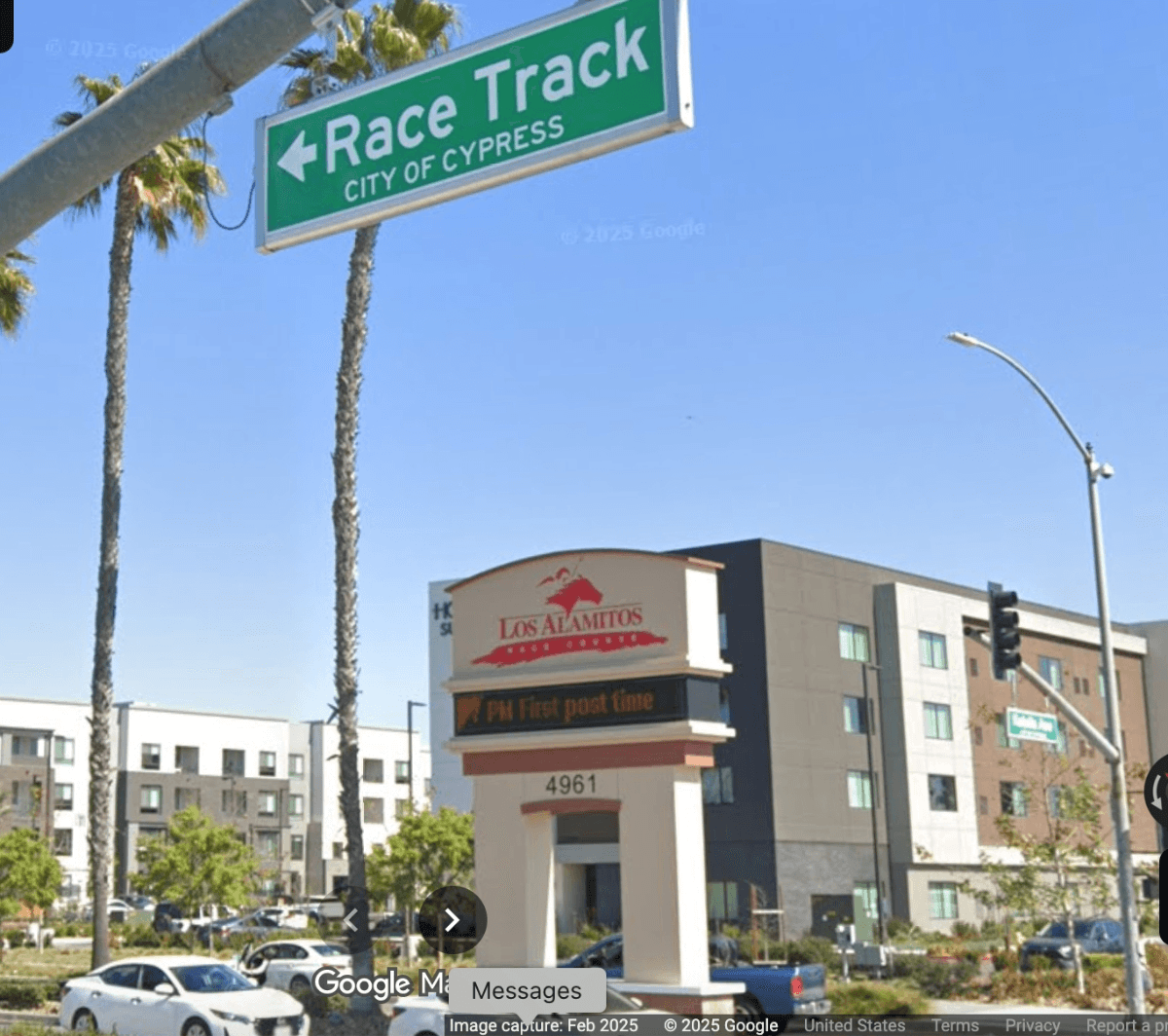
Los Alamitos at a Breaking Point After 18 Racehorse Deaths Spur Emergency Safety Demands

Los Alamitos Race Course is facing its most serious crisis in years after 18 horses died in 2025, prompting regulators to warn the track that its racing license is at risk without immediate safety reforms. Following three catastrophic injuries in a single day, the California Horse Racing Board has ordered urgent changes—including more veterinarians, stricter medication rules, and enhanced on‑track medical support—as pressure mounts for stronger oversight in a sport already under national scrutiny.

Why Canadian Investors Are Flooding U.S. Real Estate Despite Tariffs and Tensions

Canadian investors have poured more than US$5.8 billion into U.S. commercial real estate this year, making the U.S. their top destination even amid a lingering tariff dispute. Tight inventory in Canada and greater deal availability south of the border are driving the trend, with data centers and industrial properties emerging as the hottest targets for 2025.

Florida’s Insurance Chief Warns Homeowners: Most Don’t Understand Their Policies

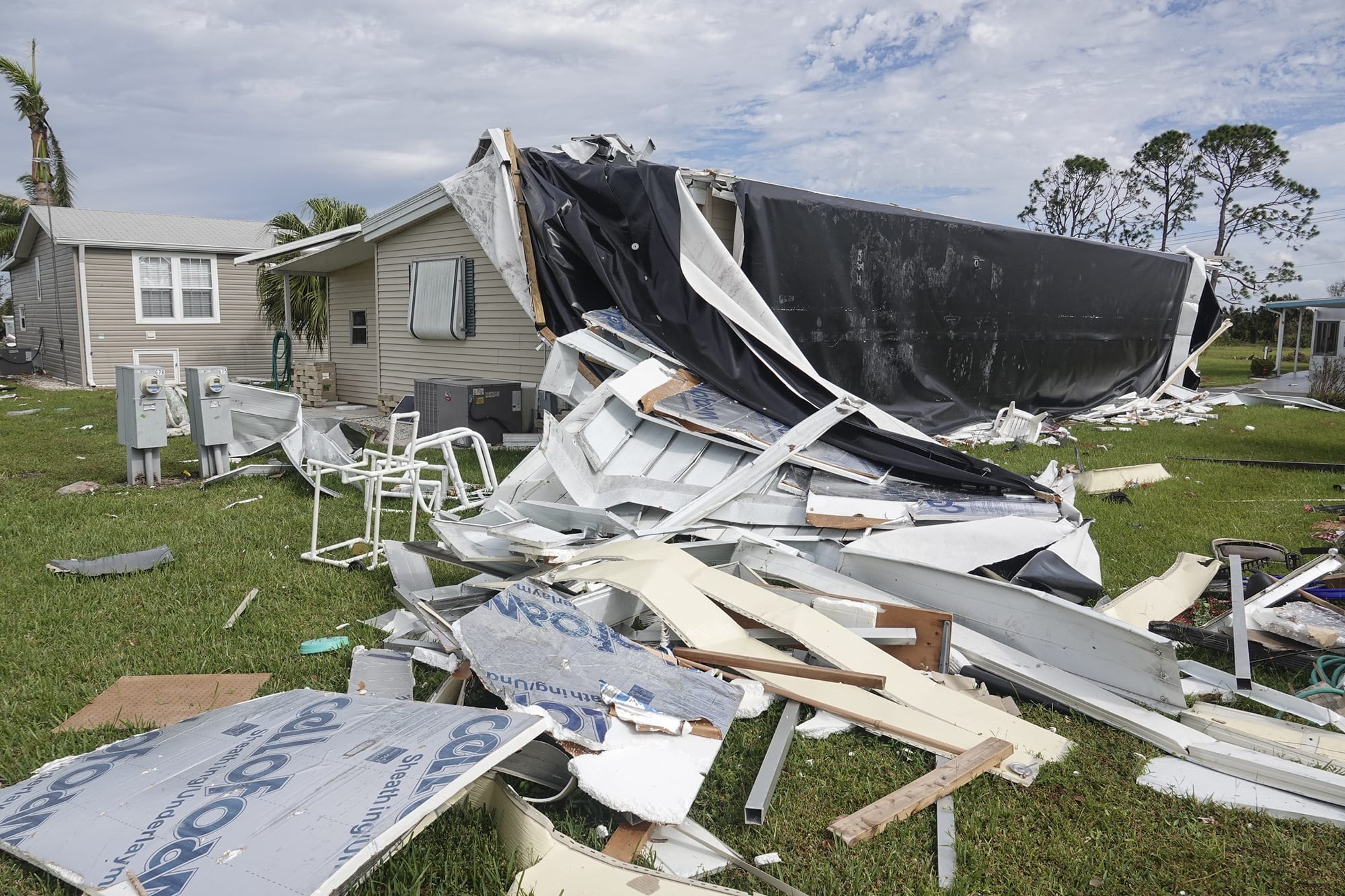
Florida’s insurance commissioner says even industry pros struggle to read today’s 150‑page homeowners policies—leaving residents shocked when hurricane claims are denied. With rising premiums, high replacement costs, and widespread confusion over exclusions like flood and water damage, the state is pushing for simpler, clearer policy language so homeowners know what they’re actually covered for before the next storm hits.

Post‑Election Power Plays: How Major U.S. Cities Are Quietly Redrawing the Real Estate Map

Following the 2025 elections, major metros like New York, Chicago, Miami, Los Angeles, and Boston are implementing policy shifts that could reshape property values, rental income, development timelines, and investment strategy heading into 2026. From New York’s push toward aggressive rent reform to Chicago’s sustainability mandates and Miami’s uncertain mayoral runoff, these changes signal a new era where local politics increasingly dictate market performance. This breakdown highlights the biggest post‑election real estate pivots and what they mean for investors, agents, and finance professionals preparing for a rapidly evolving landscape.

Florida Insurance Boss Drops a Truth Bomb: Most Homeowners Have No Idea What They’re Actually Covered For

Florida’s Insurance Commissioner is sounding the alarm after thousands of homeowners discovered—only after hurricanes Helene and Milton—that the coverage they thought they had didn’t exist. With nearly 150,000 unpaid claims tied to misunderstood flood exclusions, water‑damage caps, and buried policy clauses, state leaders are pushing to simplify the dense, confusing documents most Floridians never read. As insurance costs remain one of the state’s top concerns, this growing complexity is creating a massive opportunity for real estate, mortgage, and insurance professionals to guide consumers before disaster strikes.

Florida’s Insurance “Fixes” Backfire as Homeowners Face Higher Costs and Riskier Insurers

Florida’s insurance market is reliving an old crisis under a new name. Despite reforms meant to stabilize the system, homeowners are being forced out of Citizens and into pricier policies from small insurers with shaky financial histories. Companies tied to past insolvencies are returning with fresh branding, while highly rated carriers continue to deny a majority of claims. With political influence muddying regulation and climate risks rising, experts warn that only a full structural overhaul—not cosmetic reforms—can restore confidence for homeowners, agents, and the entire real estate market.