In the ongoing quest to tackle the housing crisis, urban planners and policymakers are exploring a myriad of solutions. The relationship between zoning and housing affordability remains a complex puzzle. As highlighted in a recent article from The Urbanist, the multifaceted approach to resolving these issues includes proposals ranging from the abolition of zoning to the implementation of stricter inclusionary zoning policies.


One of the key strategies discussed is the Multifamily Tax Exemption program, which has been instrumental in generating affordable housing while incentivizing apartment construction. However, changes to this program could disrupt the balance, potentially deterring builders from participating.


Urbanists are also considering the benefits of boosting housing production and increasing density to lower prices. This includes building more affordable homes and protecting existing communities from displacement. According to William Fischel, author of Zoning Rules, “More housing is more housing. It’s not just a particular kind of housing [that is needed].”


The article references a study by Vicki Been and colleagues from NYU, which found that increasing housing supply can slow rent growth. Economist Noah Smith suggests a nuanced approach, advocating for building “Yuppie fishtanks” to attract high-income families while also developing affordable housing to prevent gentrification and stabilize rents.


Social Housing Models

Another promising avenue is the exploration of social housing models, as seen in Europe and Singapore. Both Seattle and New York City are considering legislation to establish Social Housing Development Authorities. These authorities would focus on building, acquiring, and converting housing into social housing, with a strong emphasis on resident and union participation.


Technological Shifts and Zoning Obsolescence

Sonia Hirt, author of Zoned in the USA, suggests that the shift towards remote work could render traditional zoning systems obsolete. As technology continues to evolve, the integration of daily life and workspaces may lead to significant changes in urban planning.


Addressing past injustices, Richard Kahlenberg emphasizes the need for school system reforms. He advocates for public school choice to ensure that educational quality is not solely determined by neighborhood affluence. Additionally, he proposes an “Economic” Fair Housing Act to challenge exclusionary zoning practices.


The call for reparations, as argued by Ta-Nehisi Coates in his essay The Case for Reparations, underscores the historical impact of housing discrimination and redlining. Various cities are already taking steps to address these past wrongs.


Case Studies

Seattle: Recent legislation in Washington state has overridden cities’ powers to ban multi-family zoning, although wealthy neighborhoods like Broadmoor remain exempt. Seattle’s Comprehensive Plan aims to incentivize multi-family housing, but some argue it lacks ambition.


Minneapolis: Known for abolishing single-family zoning, the city has seen modest growth in duplexes and triplexes. However, multi-family housing continues to be the primary driver of affordability.


San Francisco: Despite its progressive reputation, a significant portion of the city remains zoned for single-family housing, perpetuating racial and economic segregation. A California law aimed at abolishing single-family zoning faces legal challenges.


Conclusions

While zoning has historically aimed to maintain positive land uses, its implementation has often resulted in negative consequences for marginalized communities. The shift towards YIMBYism (Yes In My Back Yard) and innovative solutions offers hope for a more equitable urban future.


For more detailed insights and analysis, the full article can be accessed here.

More Articles

Getting licensed or staying ahead in your career can be a journey—but it doesn’t have to be overwhelming. Grab your favorite coffee or tea, take a moment to relax, and browse through our articles. Whether you’re just starting out or renewing your expertise, we’ve got tips, insights, and advice to keep you moving forward. Here’s to your success—one sip and one step at a time!

Florida’s Long‑Standing Condo Lending Restrictions May Finally End This December

After nearly 20 years under uniquely harsh lending rules, Florida may finally see its condo market freed from a 25% down payment requirement imposed only on the state. Industry leaders say Fannie Mae could announce changes as early as December—potentially restoring the standard 10% down payment used everywhere else in the country. Experts believe the shift would boost maintenance funding, improve affordability, and stabilize Florida’s condo market after years of strain.

Confidence Surges in Phoenix as Commercial Real Estate Rebounds in 2025

Phoenix’s commercial real estate market is shaking off years of uncertainty as broker optimism hits its highest level since interest rates began climbing. The latest ASU Commercial Broker Sentiment Index soared to 62.7, signaling strong confidence across multifamily, retail, office, and capital markets. With population growth accelerating, interest rates easing, and AI boosting industry efficiency, Phoenix is positioning itself for a powerful run into 2026—offering meaningful opportunities for both new and seasoned real estate professionals.

Michigan Lawmakers Consider Allowing All Continuing Education Hours to Be Completed Online

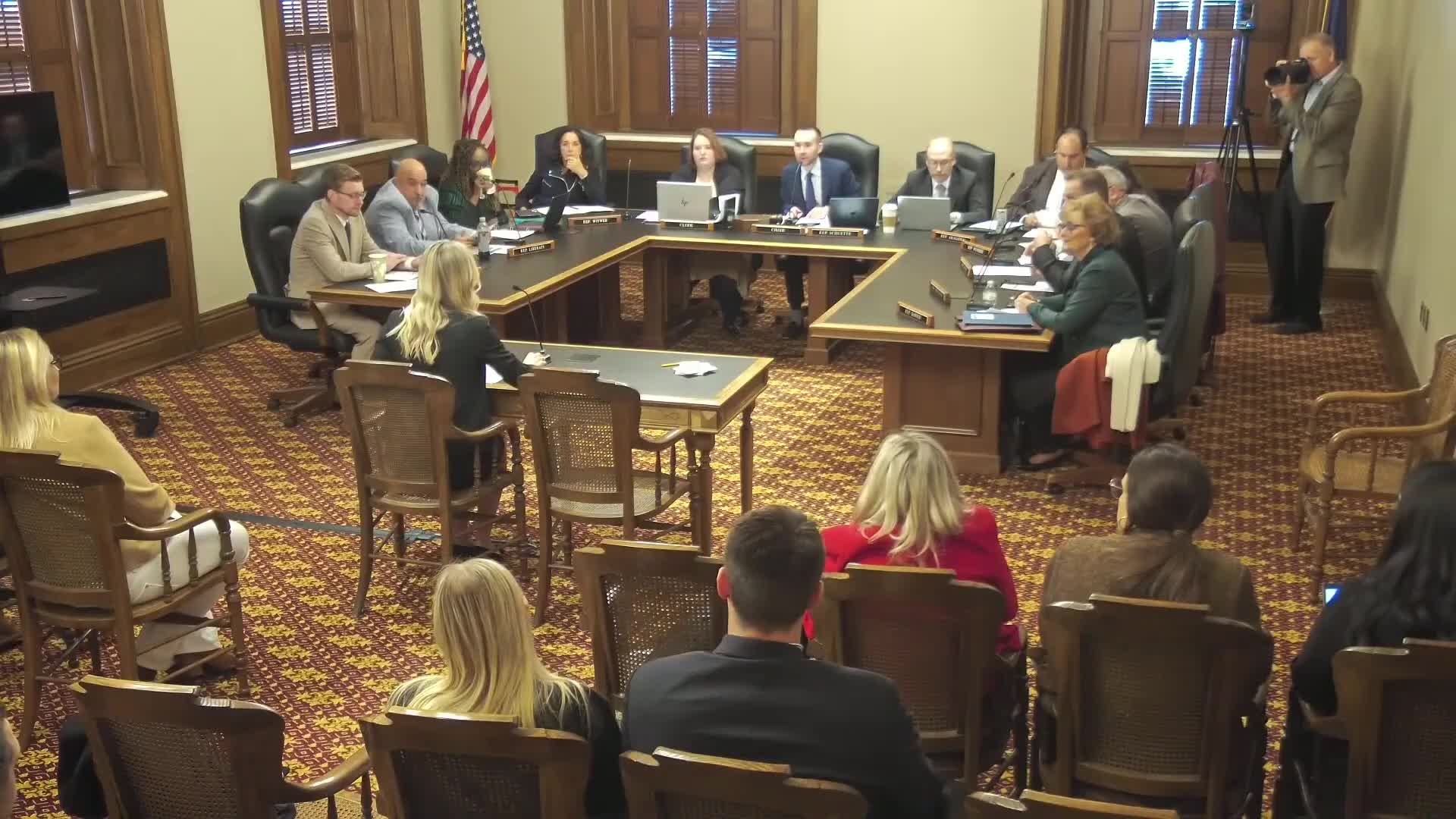
Michigan’s House Rules Committee heard testimony on a proposal that would let licensed professionals complete all required continuing education online. Supporters say the change would modernize outdated rules, reduce costs, and improve access for rural and busy workers. The state licensing department backs the measure, and lawmakers noted it could reshape CE options across industries from real estate to insurance and healthcare.

Florida’s Home Insurance Crisis Reaches a Breaking Point as Premiums Skyrocket

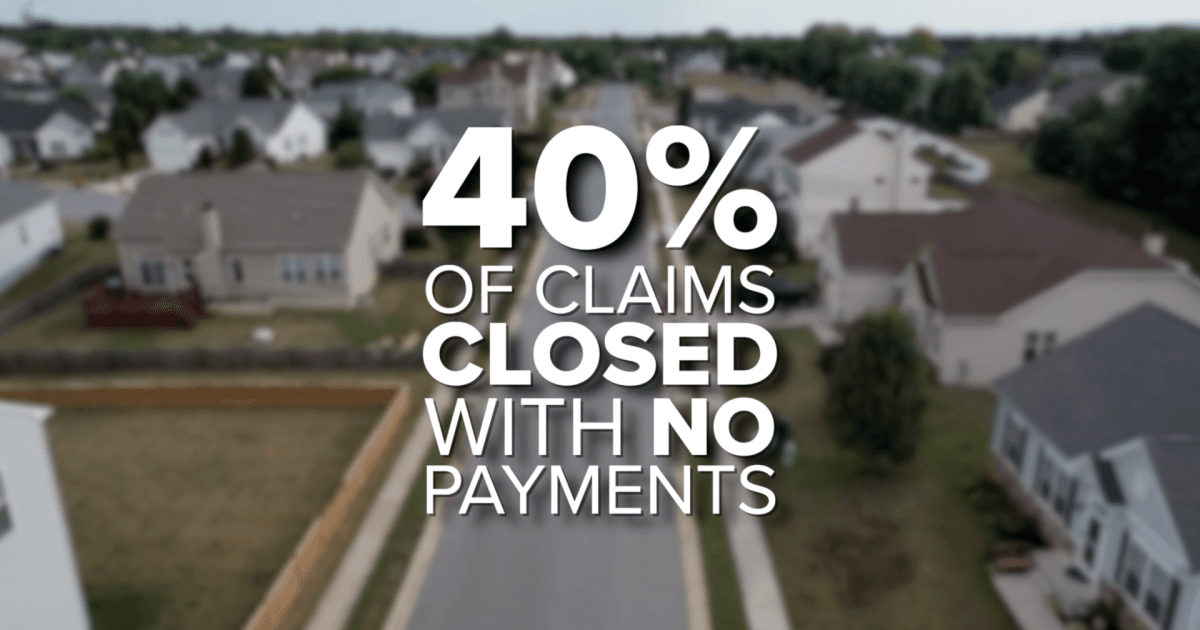
Florida homeowners are now paying an average of $5,838 per year for insurance — nearly $3,000 above the national average — making it one of the most expensive states in the country. As premiums continue to triple for some residents, many are being forced into tough decisions, from delaying home improvements to dropping coverage altogether. With more than 40% of claims closed with no payment and lawmakers pushing for aggressive reforms, the crisis is reshaping Florida’s housing market and placing growing pressure on real estate, mortgage, and insurance professionals statewide.

Griffin Funding Names John Jones SVP of Growth as It Sets Sights on $3B Non-QM Volume by 2030

Griffin Funding has elevated John Jones to Senior Vice President of Growth and EOS Integrator, marking a major step in the company’s long-term expansion strategy. Already a key operational leader since April 2025, Jones will now drive performance optimization, market expansion, and leadership development as the lender pursues an ambitious goal of reaching $3 billion in annual non-QM loan volume by 2030. His promotion underscores Griffin Funding’s commitment to scaling strategically while strengthening its position in the fast-growing non-QM space.

Why Lower Rates Still Haven’t Unlocked Commercial Real Estate

Despite recent Federal Reserve rate cuts, commercial real estate remains frozen. Long‑term Treasury yields continue to climb, keeping borrowing costs high and preventing the relief investors expected. With nearly $1 trillion in commercial loans coming due, refinancing at today’s elevated rates is squeezing owners, slowing transactions, and creating a widening gap between buyers and sellers. For patient, well‑capitalized investors, this period of recalibration may offer some of the strongest opportunities in years.