South Florida Real Estate Outlook Brightens for 2026 as Interest Rates Fall
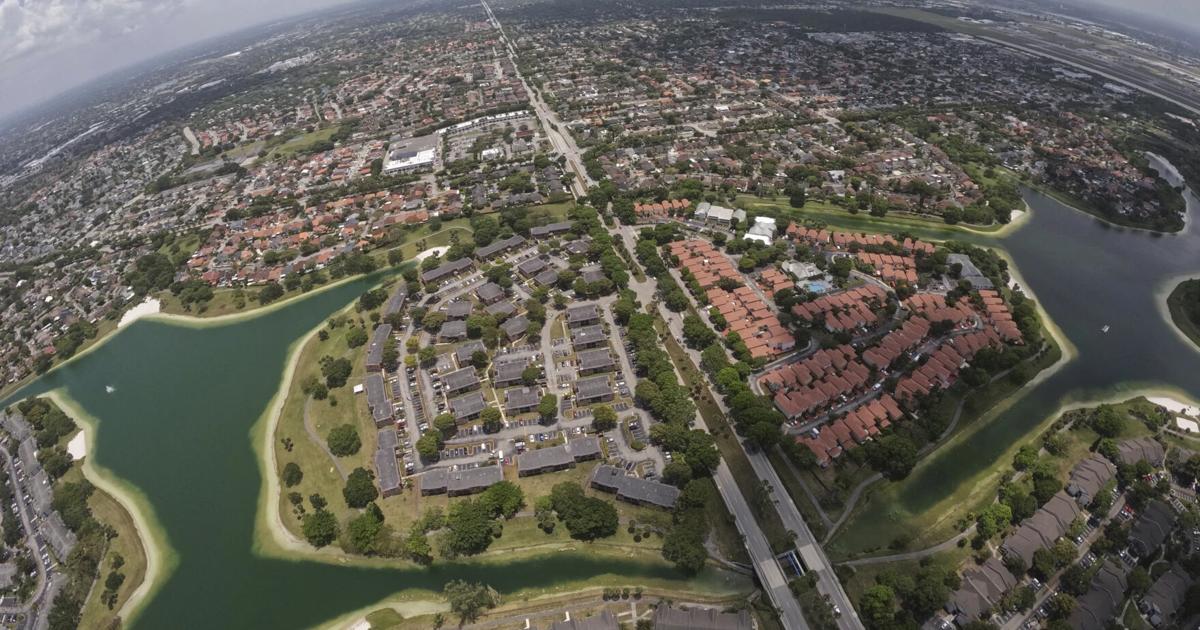
With lower mortgage rates finally arriving and the job market holding strong, South Florida’s housing market appears poised for a more optimistic 2026. After an unpredictable few years marked by rising rates and condo concerns, the region is entering the new year with fresh momentum.
Much like every cycle in South Florida real estate, the story is never simple. But unlike past boom‑and‑bust patterns, 2025 didn’t deliver the “bust” many feared. Instead, limited single‑family home inventory and a surprisingly resilient luxury condo sector helped stabilize prices and soften the landing.
A Look Back: What 2025 Really Delivered
For single‑family homes, 2025 was steady — not spectacular, but far from disastrous. After explosive COVID‑era growth, a year of flat or modest movement felt slower simply because South Florida is used to dramatic swings.
Condos had a rockier start, facing early dips in price and surges in listings, especially older buildings adapting to post‑Surfside reforms. But by year‑end, falling mortgage rates and more accessible pricing brought buyers back, helping stabilize the condo market.
Why 2026 Is Looking Better
The biggest turning point? Mortgage rates are falling. After peaking near 7%, rates have been steadily declining—reducing monthly payments and encouraging more homeowners to consider selling instead of clinging to older, ultra‑low rates.
The Miami Realtors Association predicts a potential drop to 5.8% by late 2026. For a $500,000 loan, that’s over $100/month in savings.
Even with improved outlooks, Redfin still labels South Florida as “likely to cool.” But cooling in Miami rarely means cold — more like shifting from red‑hot to golden warm.
What’s Slowing the Condo Market?
Many condo boards are still adjusting to structural, financial, and regulatory updates after Surfside. Higher fees or special assessments in some buildings cause buyers to hesitate, naturally slowing condo movement compared to single‑family homes.
Affordability Still a Major Challenge
Lower mortgage rates help — but prices remain historically high. According to Bankrate, fewer than 1 in 200 Miami homes are considered affordable for an average household.
Fortunately, rising wages in fields like healthcare and professional services help soften the financial gap for many aspiring buyers.
What About Renters?
Miami once again ranked #1 hottest rental market in America, per RentCafe. Even with new construction booming, competition remains fierce: an average rental receives 19 prospective renters.
Translation: high rents aren’t going away.
Could Property Taxes Shift the Market?
An upcoming 2026 vote on a constitutional amendment could reshape property taxes. If approved, home values may rise longer‑term, while apartment owners could shoulder more tax responsibility — inevitably pushing rents higher.
Commercial Real Estate Stays Surprisingly Strong
Against national trends, South Florida’s commercial sector is thriving. Lower vacancy rates, strong leasing activity, and robust job growth help position Miami as a commercial powerhouse, according to a recent TD Bank report.
Why This Matters to Industry Professionals
Whether you work in real estate, mortgage, insurance, appraisals, or any housing‑related service, understanding these emerging trends is essential. South Florida’s market isn’t cooling — it’s evolving, and it demands knowledgeable experts.
If you’re aiming to upgrade or earn your professional license, Cameron Academy continues to be a trusted, modern, student‑focused partner for Florida real estate and professional licensing education.
Special thanks to WLRN and The Miami Times. Read the original story at
miamitimesonline.com
More Articles
Getting licensed or staying ahead in your career can be a journey—but it doesn’t have to be overwhelming. Grab your favorite coffee or tea, take a moment to relax, and browse through our articles. Whether you’re just starting out or renewing your expertise, we’ve got tips, insights, and advice to keep you moving forward. Here’s to your success—one sip and one step at a time!
November marked another cooldown for commercial real estate, with total deal volume dropping 10% year over year and falling below even 2020’s levels. While overall activity is slowing, investors are concentrating their money on bigger, more resilient assets—driving a 51% surge in deals over $100 million and pushing average transaction sizes well above historical norms. Multifamily remains the strongest sector, office deals are becoming more strategically focused, and medical office and data centers continue to outperform as long‑term demand stays solid.
After years of stalled activity, commercial real estate may finally be nearing a rebound. Experts say that expected interest‑rate drops in 2026 could reignite investor confidence, unlock sidelined capital, and boost deal flow across multiple sectors. But the outlook isn’t uniformly sunny—multifamily faces oversupply, industrial is cooling after years of rapid growth, and weakening employment conditions may slow absorption. For professionals across real estate, mortgage, insurance, and finance, the shifting landscape presents both challenges and major opportunities for those who stay informed and properly licensed.
Consumer Reports delivered a major warning to Congress, highlighting how rapidly expanding fintech tools—especially AI‑driven platforms—are outpacing consumer protections. In testimony before the House Subcommittee on Digital Assets, Financial Technology and AI, CR called for stronger, clearer rules to prevent hidden fees, predatory practices, and confusion within digital financial products. For professionals in real estate, mortgages, insurance, and finance, these emerging regulations may soon influence lending decisions, underwriting, credit evaluations, and compliance expectations across the industry.
Amazon is preparing to cut up to 30,000 corporate jobs by mid‑2026 as it pivots aggressively toward automation and AI. Following 14,000 layoffs in late 2025, the company is eliminating layers of management to redirect billions into robotics, generative AI systems, and supercomputing partnerships. While warehouse hiring continues for seasonal demand, Amazon’s internal shift reveals a broader nationwide trend: white‑collar roles across tech, finance, logistics, and more are being reshaped by automation at unprecedented speed.
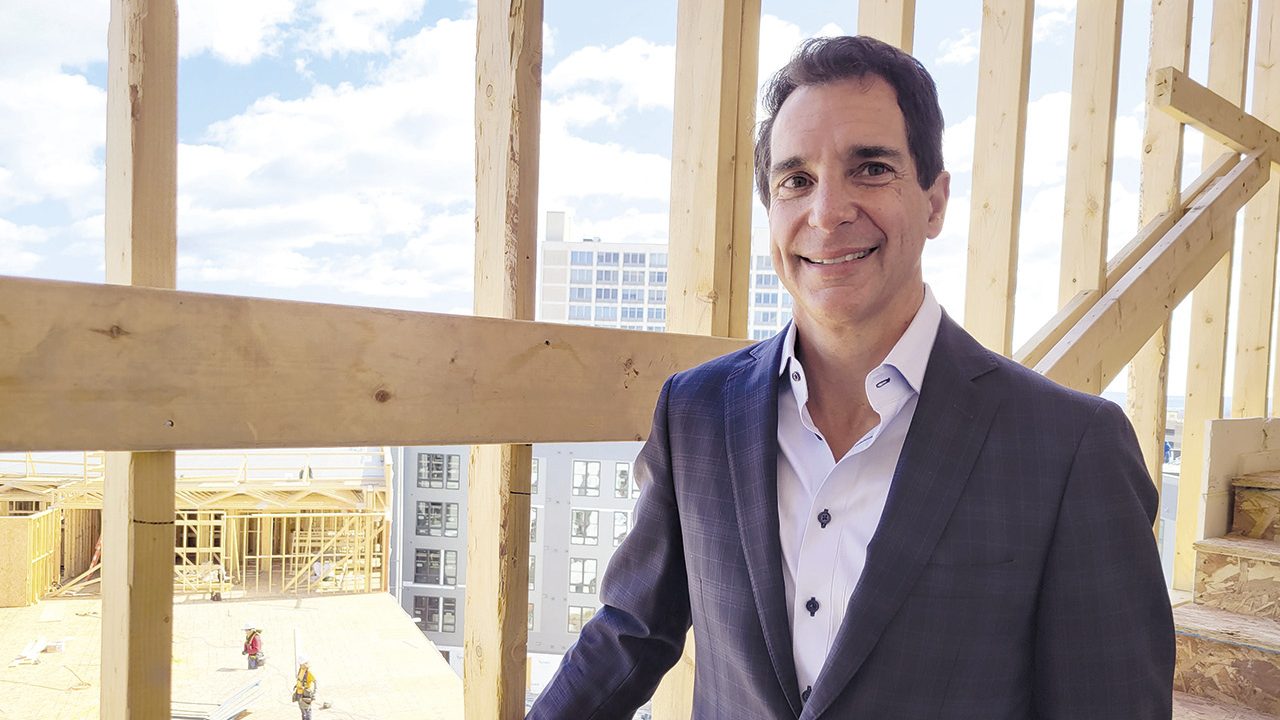
Florida’s real estate market enters 2026 with new leadership at the helm as Chuck Bonfiglio, broker-owner of AAA Realty Group, is officially installed as President of Florida Realtors. With more than 230,000 members behind the association, Bonfiglio highlights affordability, insurance reform, and taxes as key priorities while expressing optimism about easing mortgage rates, stabilizing prices, and growing inventory. Backed by years of statewide and national Realtor leadership, he aims to guide professionals through another transformative year alongside a newly appointed 2026 leadership team.
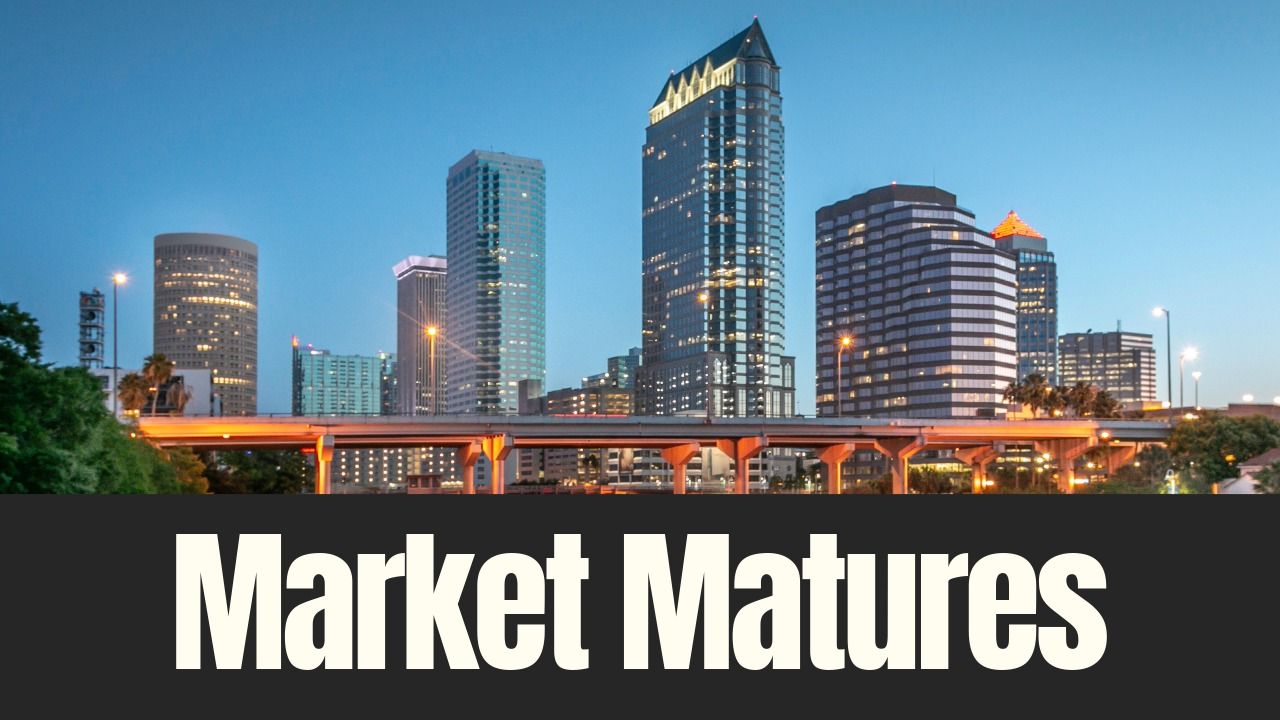
Tampa isn’t cooling off—it’s getting smarter. After years of rapid expansion, the city’s commercial real estate market has shifted into a more disciplined, selective phase. Population growth remains strong, office leasing is outperforming national trends, industrial activity is normalizing sustainably, and retail is seeing renewed investor confidence. With capital becoming more cautious and health care real estate emerging as a major growth sector, Tampa is entering a new era focused on strategy, execution, and long‑term fundamentals.