South Florida Real Estate Outlook Brightens for 2026 as Interest Rates Fall
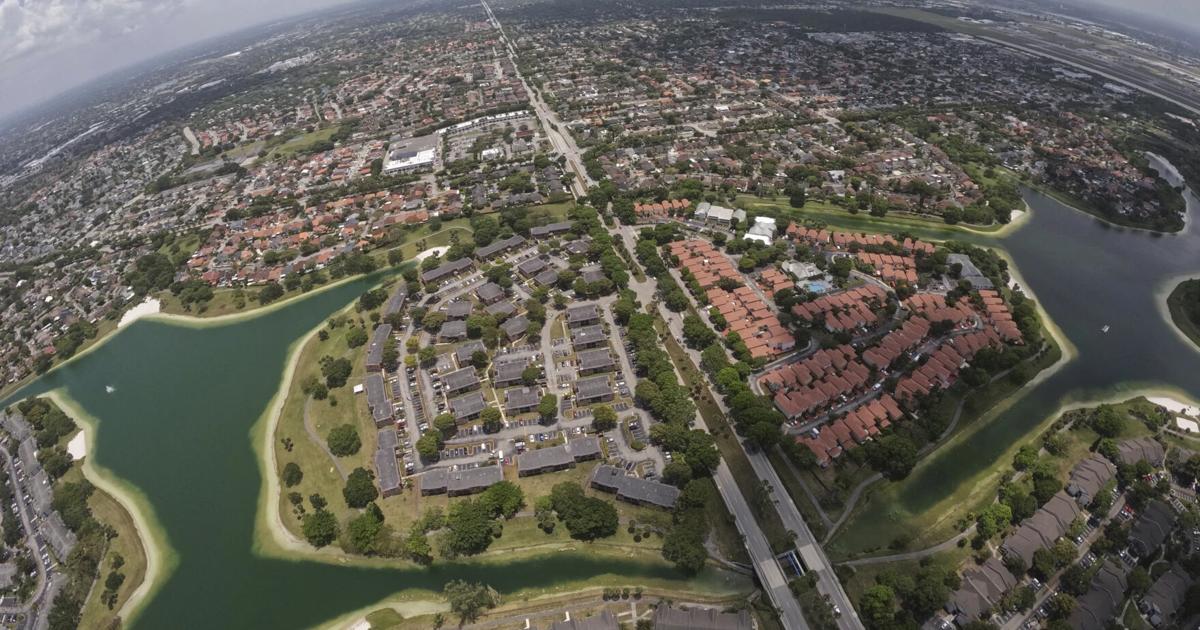
With lower mortgage rates finally arriving and the job market holding strong, South Florida’s housing market appears poised for a more optimistic 2026. After an unpredictable few years marked by rising rates and condo concerns, the region is entering the new year with fresh momentum.
Much like every cycle in South Florida real estate, the story is never simple. But unlike past boom‑and‑bust patterns, 2025 didn’t deliver the “bust” many feared. Instead, limited single‑family home inventory and a surprisingly resilient luxury condo sector helped stabilize prices and soften the landing.
A Look Back: What 2025 Really Delivered
For single‑family homes, 2025 was steady — not spectacular, but far from disastrous. After explosive COVID‑era growth, a year of flat or modest movement felt slower simply because South Florida is used to dramatic swings.
Condos had a rockier start, facing early dips in price and surges in listings, especially older buildings adapting to post‑Surfside reforms. But by year‑end, falling mortgage rates and more accessible pricing brought buyers back, helping stabilize the condo market.
Why 2026 Is Looking Better
The biggest turning point? Mortgage rates are falling. After peaking near 7%, rates have been steadily declining—reducing monthly payments and encouraging more homeowners to consider selling instead of clinging to older, ultra‑low rates.
The Miami Realtors Association predicts a potential drop to 5.8% by late 2026. For a $500,000 loan, that’s over $100/month in savings.
Even with improved outlooks, Redfin still labels South Florida as “likely to cool.” But cooling in Miami rarely means cold — more like shifting from red‑hot to golden warm.
What’s Slowing the Condo Market?
Many condo boards are still adjusting to structural, financial, and regulatory updates after Surfside. Higher fees or special assessments in some buildings cause buyers to hesitate, naturally slowing condo movement compared to single‑family homes.
Affordability Still a Major Challenge
Lower mortgage rates help — but prices remain historically high. According to Bankrate, fewer than 1 in 200 Miami homes are considered affordable for an average household.
Fortunately, rising wages in fields like healthcare and professional services help soften the financial gap for many aspiring buyers.
What About Renters?
Miami once again ranked #1 hottest rental market in America, per RentCafe. Even with new construction booming, competition remains fierce: an average rental receives 19 prospective renters.
Translation: high rents aren’t going away.
Could Property Taxes Shift the Market?
An upcoming 2026 vote on a constitutional amendment could reshape property taxes. If approved, home values may rise longer‑term, while apartment owners could shoulder more tax responsibility — inevitably pushing rents higher.
Commercial Real Estate Stays Surprisingly Strong
Against national trends, South Florida’s commercial sector is thriving. Lower vacancy rates, strong leasing activity, and robust job growth help position Miami as a commercial powerhouse, according to a recent TD Bank report.
Why This Matters to Industry Professionals
Whether you work in real estate, mortgage, insurance, appraisals, or any housing‑related service, understanding these emerging trends is essential. South Florida’s market isn’t cooling — it’s evolving, and it demands knowledgeable experts.
If you’re aiming to upgrade or earn your professional license, Cameron Academy continues to be a trusted, modern, student‑focused partner for Florida real estate and professional licensing education.
Special thanks to WLRN and The Miami Times. Read the original story at
miamitimesonline.com
More Articles
Getting licensed or staying ahead in your career can be a journey—but it doesn’t have to be overwhelming. Grab your favorite coffee or tea, take a moment to relax, and browse through our articles. Whether you’re just starting out or renewing your expertise, we’ve got tips, insights, and advice to keep you moving forward. Here’s to your success—one sip and one step at a time!
Chat‑driven AI tools now let real estate professionals edit listing photos instantly—removing clutter, brightening rooms, updating décor, and even virtually staging a space using simple text prompts. This speed and flexibility help agents create stronger first impressions, accelerate turnover, and present properties more honestly and attractively. With interactive tools becoming common on property sites and transparent editing standards emerging, AI photo enhancement is quickly becoming an essential part of modern real estate marketing.
The commercial real estate landscape is heading into 2026 with powerful momentum and a fresh set of challenges. PwC’s latest Emerging Trends report places Jersey City and North Jersey among the top U.S. markets to watch, driven by redevelopment energy, tech‑driven infrastructure needs, and the surge of mixed‑use communities. But developers also face rising construction costs, high interest rates, and municipal fatigue that’s stalling projects statewide. From booming demand for data centers to the transformation of retail corridors and the rise of community‑based health care facilities, the year ahead is set to redefine how—and where—growth happens.
The Federal Reserve has lowered rates to their lowest level since 2022, marking the third cut in four months and setting the stage for gradual downward pressure on mortgage rates in 2026. While mortgage rates don’t drop automatically when the Fed cuts, easing inflation and a softening 10‑year Treasury yield suggest improved affordability, renewed refinancing opportunities and a more active market ahead for real estate and mortgage professionals.
New research reveals that a growing share of Gen Z no longer believes homeownership is within reach, leading to major behavioral changes. With first-time buyer age nearing 40 and affordability hitting new lows, young adults are saving less, working less, and taking on riskier investments. Studies from Northwestern and the University of Chicago show that when the dream of owning a home feels impossible, motivation declines—and financial priorities shift dramatically.
The FTC has issued warning letters to 13 rental software companies over concerns that their systems may hide mandatory fees and prevent landlords from displaying accurate rental prices. While not formal allegations, the move signals rising federal scrutiny following major enforcement actions against Greystar, RealPage, and Invitation Homes. For real estate professionals, this development highlights the growing importance of transparent pricing, ethical advertising, and staying ahead of regulatory shifts in today’s tech‑driven rental market.
A New York man employed only as a driver for a hedge fund founder allegedly reinvented himself as a seasoned investment professional, convincing three investors to trust him with their money. According to the SEC’s complaint, he created a deceptive LLC, used firm marketing materials to appear legitimate, and conducted risky, unauthorized trades that wiped out accounts. The scheme left the victims with more than $1 million in combined losses, prompting the SEC to pursue fraud charges and a permanent industry ban.