Starting Your Career? The Best and Worst States to Launch Your Professional Journey
Where you choose to begin your career can influence your earning potential, job stability, and long-term financial growth. A new analysis highlighted by Investopedia reveals which states offer the strongest footing for entry-level professionals and which ones create steep challenges right out of the gate.
TopResume evaluated thousands of entry-level job postings across the United States, measuring job availability, competition, local salaries, and living costs. For newcomers trying to build savings, secure housing, and establish themselves professionally, these factors matter more than ever.
The Best States for Starting a Career
Wyoming stands out as the top state for launching a new career, offering 129 entry-level jobs per 100,000 people, low competition, and an adjusted median salary of $52,163. With median home prices near $356,688 and rent averaging about $1,300 per month, young professionals get a strong balance of opportunity and affordability.
Vermont also performs well, with 118 entry-level jobs per 100,000 people and low competition. Although the median salary is under $42,000, Vermont remains attractive for those seeking a quieter environment. Housing costs are higher, with median home prices over $382,000 and average rent around $2,075.
North Dakota offers roughly 92 entry-level positions per 100,000 residents, alongside median home prices of about $277,556 and rent near $1,100. These lower housing costs help entry-level workers get ahead faster.
Alaska provides about 88 entry-level jobs per 100,000 people. Its lower median salary, just under $42,500, can make housing a challenge, but average rents around $1,800 and median home prices under $376,000 still create room for financial freedom with careful planning.
South Dakota rounds out the top group with approximately 80 entry-level roles per 100,000 residents. With a median home price near $310,000 and average rent around $1,200, it is a strong option for newcomers seeking stability and manageable living costs.
The Most Challenging States for New Professionals
California ranks last for entry-level job opportunity, offering only 1.84 positions per 100,000 people. With an adjusted median salary of $36,982, median home prices above $750,000, and average rent at $2,750, financial progress is extremely difficult for newcomers.
Hawaii pairs a very small job market with high living costs. Adjusted median salaries sit near $24,500, while median home prices exceed $819,000 and rent averages $3,000. For entry-level professionals, financial mobility is limited.
Massachusetts also presents challenges, with limited entry-level openings and an adjusted median salary of $38,492. Housing is costly, with median home prices around $640,000 and rent near $2,930, which can restrict early financial growth.
Related States Worth Noting
New York is highly competitive, offering about three entry-level jobs per 100,000 people. Even for those who secure a position, median home prices near $502,000 and average rent at $3,500 can deter relocation.
Florida offers similar job competition, with only around three entry-level roles per 100,000 people. Housing is more approachable, though, with median home prices around $372,000 and average rents near $2,325. For newcomers pursuing real estate, mortgage, insurance, or finance careers, Florida continues to be a strong long-term market. If you are aiming to enter these fields, Cameron Academy provides industry-focused licensing programs to help you build a competitive edge no matter where you start.
To explore the full analysis behind these rankings, visit Investopedia for the original report. And if you are launching a career in real estate or another licensed profession, Cameron Academy can help you move forward with confidence and industry-ready education.
More Articles
Getting licensed or staying ahead in your career can be a journey—but it doesn’t have to be overwhelming. Grab your favorite coffee or tea, take a moment to relax, and browse through our articles. Whether you’re just starting out or renewing your expertise, we’ve got tips, insights, and advice to keep you moving forward. Here’s to your success—one sip and one step at a time!
The Association of American Medical Colleges (AAMC) reports that while breast cancer mortality has decreased, Black women still face a 40% higher death rate compared to their White counterparts. This inequity is partly due to the fact that Black women are less frequently offered genetic screenings that could potentially save their lives.
In the rapidly evolving landscape of healthcare, two fields stand at the forefront of innovation: MedTech and BioTech. While both are pivotal in enhancing patient care, they operate in distinct domains.
The nanomedicine market is set to experience a remarkable expansion, projected to surge from USD 223.6 billion in 2023 to a staggering USD 634.2 billion by 2032.
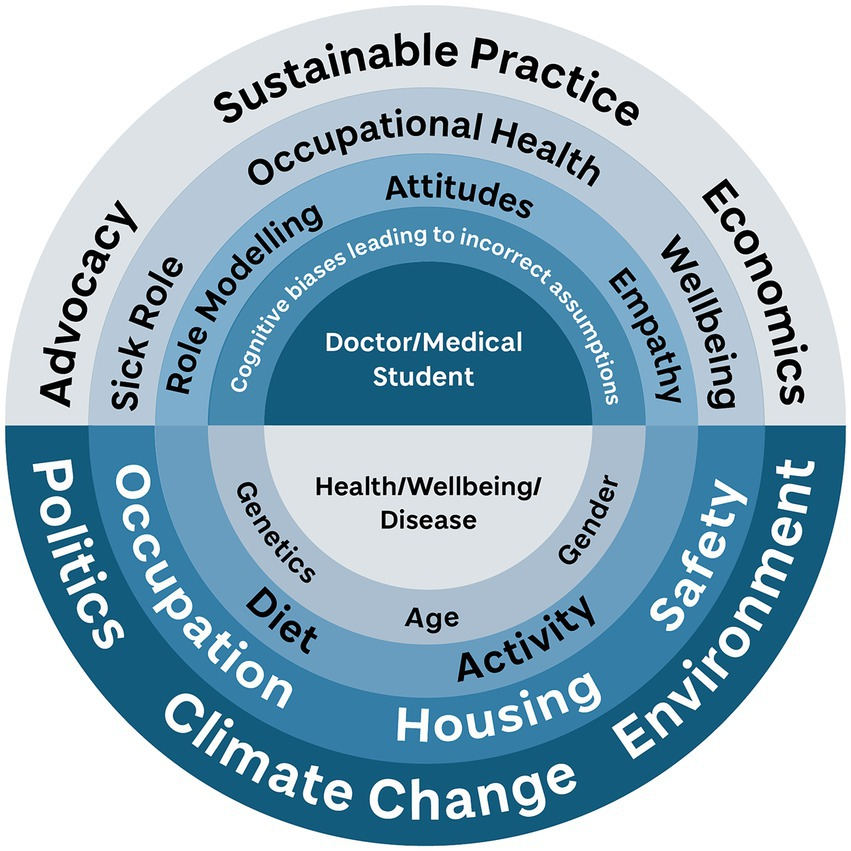
In a world where healthcare and its education are undergoing seismic shifts, the University of Dundee is pioneering a transformative approach. The institution is integrating public health into its medical curriculum, responding to the rapid technological, political, and social changes reshaping the medical landscape.