Starting Your Career? The Best and Worst States to Launch Your Professional Journey
Where you choose to begin your career can influence your earning potential, job stability, and long-term financial growth. A new analysis highlighted by Investopedia reveals which states offer the strongest footing for entry-level professionals and which ones create steep challenges right out of the gate.
TopResume evaluated thousands of entry-level job postings across the United States, measuring job availability, competition, local salaries, and living costs. For newcomers trying to build savings, secure housing, and establish themselves professionally, these factors matter more than ever.
The Best States for Starting a Career
Wyoming stands out as the top state for launching a new career, offering 129 entry-level jobs per 100,000 people, low competition, and an adjusted median salary of $52,163. With median home prices near $356,688 and rent averaging about $1,300 per month, young professionals get a strong balance of opportunity and affordability.
Vermont also performs well, with 118 entry-level jobs per 100,000 people and low competition. Although the median salary is under $42,000, Vermont remains attractive for those seeking a quieter environment. Housing costs are higher, with median home prices over $382,000 and average rent around $2,075.
North Dakota offers roughly 92 entry-level positions per 100,000 residents, alongside median home prices of about $277,556 and rent near $1,100. These lower housing costs help entry-level workers get ahead faster.
Alaska provides about 88 entry-level jobs per 100,000 people. Its lower median salary, just under $42,500, can make housing a challenge, but average rents around $1,800 and median home prices under $376,000 still create room for financial freedom with careful planning.
South Dakota rounds out the top group with approximately 80 entry-level roles per 100,000 residents. With a median home price near $310,000 and average rent around $1,200, it is a strong option for newcomers seeking stability and manageable living costs.
The Most Challenging States for New Professionals
California ranks last for entry-level job opportunity, offering only 1.84 positions per 100,000 people. With an adjusted median salary of $36,982, median home prices above $750,000, and average rent at $2,750, financial progress is extremely difficult for newcomers.
Hawaii pairs a very small job market with high living costs. Adjusted median salaries sit near $24,500, while median home prices exceed $819,000 and rent averages $3,000. For entry-level professionals, financial mobility is limited.
Massachusetts also presents challenges, with limited entry-level openings and an adjusted median salary of $38,492. Housing is costly, with median home prices around $640,000 and rent near $2,930, which can restrict early financial growth.
Related States Worth Noting
New York is highly competitive, offering about three entry-level jobs per 100,000 people. Even for those who secure a position, median home prices near $502,000 and average rent at $3,500 can deter relocation.
Florida offers similar job competition, with only around three entry-level roles per 100,000 people. Housing is more approachable, though, with median home prices around $372,000 and average rents near $2,325. For newcomers pursuing real estate, mortgage, insurance, or finance careers, Florida continues to be a strong long-term market. If you are aiming to enter these fields, Cameron Academy provides industry-focused licensing programs to help you build a competitive edge no matter where you start.
To explore the full analysis behind these rankings, visit Investopedia for the original report. And if you are launching a career in real estate or another licensed profession, Cameron Academy can help you move forward with confidence and industry-ready education.
More Articles
Getting licensed or staying ahead in your career can be a journey—but it doesn’t have to be overwhelming. Grab your favorite coffee or tea, take a moment to relax, and browse through our articles. Whether you’re just starting out or renewing your expertise, we’ve got tips, insights, and advice to keep you moving forward. Here’s to your success—one sip and one step at a time!
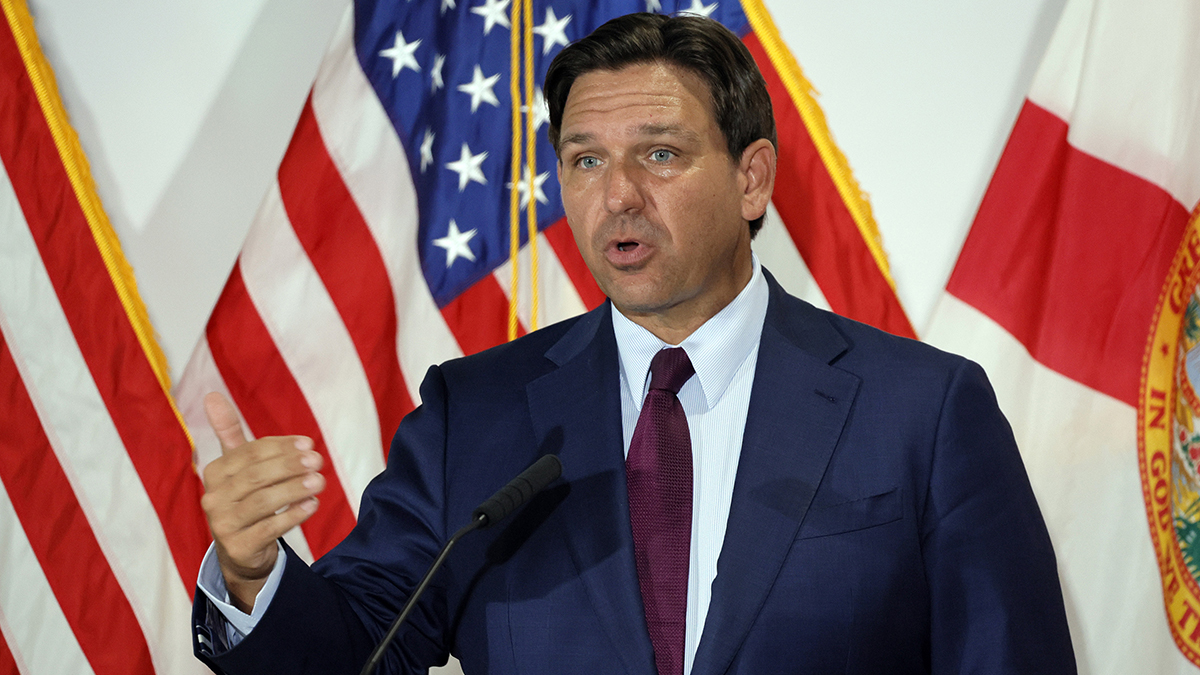
Florida homeowners — especially in hard‑hit South Florida — are set to see rare and substantial reductions in their property insurance premiums. Gov. Ron DeSantis announced an average statewide Citizens Insurance decrease of 8.7%, with even larger savings of up to 14% in counties like Miami-Dade, Broward, and Palm Beach. State officials credit recent legal and regulatory reforms for stabilizing the market, attracting new insurers, and delivering the first meaningful rate relief Floridians have seen in years.
Tampa’s commercial real estate market isn’t slowing—it’s maturing. With strong population growth, rising office demand, a normalized industrial sector, resurgent retail, and an emerging health‑care real estate boom, investors are shifting from speed to strategy. Tighter underwriting, cautious capital and increased due‑diligence are shaping a more disciplined market, creating new opportunities for informed professionals.
Florida homeowners are finally seeing relief as Citizens Property Insurance announces a major 8.7% average rate decrease—far larger than originally proposed. Driven by legislative reforms, fewer lawsuits, and a calm hurricane season, the state’s once‑unstable insurance market is showing real signs of recovery. But with reduced coverage limits and shifting legal protections, experts warn that lower premiums may come with hidden trade‑offs.
After a decade of rising premiums and retreating carriers, Florida homeowners are finally seeing long‑awaited relief. Dozens of insurers have filed for rate decreases—some as high as 11%—thanks to legislative reforms and a stabilizing market. Early approvals are already hitting counties across the state, and experts say the momentum could boost buyer confidence, affordability, and competition throughout Florida’s real estate and insurance sectors.
After years of slowed activity caused by rising interest rates, the self‑storage industry is heating up again. New data from Marcus & Millichap shows a fresh market cycle emerging, driven by renewed buyer confidence, recalibrated pricing, and stronger lender participation. Acquisitions are rebounding, development is resetting in a healthier direction, and financing conditions are improving—creating one of the most promising investment landscapes the sector has seen in years.
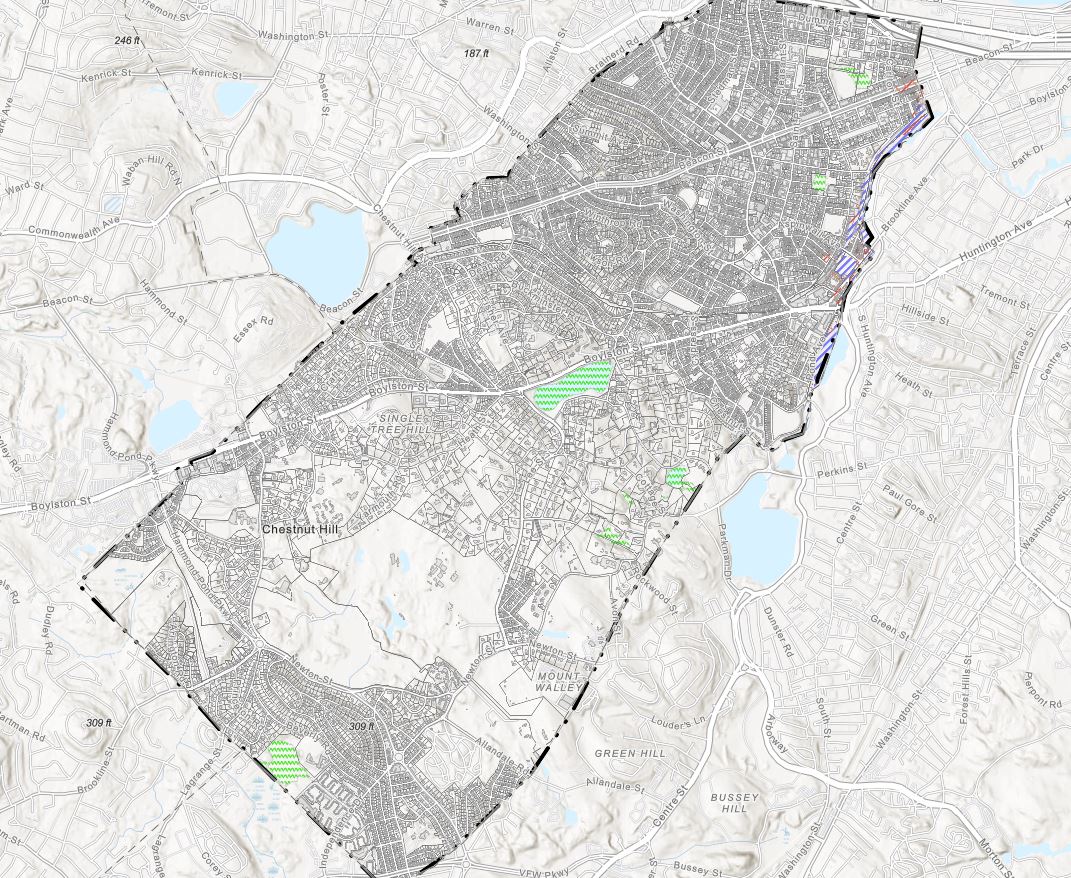
Brookline’s newly updated FEMA flood maps identify 97 high‑risk parcels, but local experts warn the true threat is far greater. While FEMA highlights river‑based flooding around Leverett Pond and the Muddy River, alternative models show more than 1,300 Brookline properties at risk within 30 years. Hidden vulnerabilities along major corridors like Beacon Street, rising rainfall intensity, aging infrastructure, and climate‑driven storm patterns suggest that many “low‑risk” areas may be anything but safe.