Starting Your Career? The Best and Worst States to Launch Your Professional Journey
Where you choose to begin your career can influence your earning potential, job stability, and long-term financial growth. A new analysis highlighted by Investopedia reveals which states offer the strongest footing for entry-level professionals and which ones create steep challenges right out of the gate.
TopResume evaluated thousands of entry-level job postings across the United States, measuring job availability, competition, local salaries, and living costs. For newcomers trying to build savings, secure housing, and establish themselves professionally, these factors matter more than ever.
The Best States for Starting a Career
Wyoming stands out as the top state for launching a new career, offering 129 entry-level jobs per 100,000 people, low competition, and an adjusted median salary of $52,163. With median home prices near $356,688 and rent averaging about $1,300 per month, young professionals get a strong balance of opportunity and affordability.
Vermont also performs well, with 118 entry-level jobs per 100,000 people and low competition. Although the median salary is under $42,000, Vermont remains attractive for those seeking a quieter environment. Housing costs are higher, with median home prices over $382,000 and average rent around $2,075.
North Dakota offers roughly 92 entry-level positions per 100,000 residents, alongside median home prices of about $277,556 and rent near $1,100. These lower housing costs help entry-level workers get ahead faster.
Alaska provides about 88 entry-level jobs per 100,000 people. Its lower median salary, just under $42,500, can make housing a challenge, but average rents around $1,800 and median home prices under $376,000 still create room for financial freedom with careful planning.
South Dakota rounds out the top group with approximately 80 entry-level roles per 100,000 residents. With a median home price near $310,000 and average rent around $1,200, it is a strong option for newcomers seeking stability and manageable living costs.
The Most Challenging States for New Professionals
California ranks last for entry-level job opportunity, offering only 1.84 positions per 100,000 people. With an adjusted median salary of $36,982, median home prices above $750,000, and average rent at $2,750, financial progress is extremely difficult for newcomers.
Hawaii pairs a very small job market with high living costs. Adjusted median salaries sit near $24,500, while median home prices exceed $819,000 and rent averages $3,000. For entry-level professionals, financial mobility is limited.
Massachusetts also presents challenges, with limited entry-level openings and an adjusted median salary of $38,492. Housing is costly, with median home prices around $640,000 and rent near $2,930, which can restrict early financial growth.
Related States Worth Noting
New York is highly competitive, offering about three entry-level jobs per 100,000 people. Even for those who secure a position, median home prices near $502,000 and average rent at $3,500 can deter relocation.
Florida offers similar job competition, with only around three entry-level roles per 100,000 people. Housing is more approachable, though, with median home prices around $372,000 and average rents near $2,325. For newcomers pursuing real estate, mortgage, insurance, or finance careers, Florida continues to be a strong long-term market. If you are aiming to enter these fields, Cameron Academy provides industry-focused licensing programs to help you build a competitive edge no matter where you start.
To explore the full analysis behind these rankings, visit Investopedia for the original report. And if you are launching a career in real estate or another licensed profession, Cameron Academy can help you move forward with confidence and industry-ready education.
More Articles
Getting licensed or staying ahead in your career can be a journey—but it doesn’t have to be overwhelming. Grab your favorite coffee or tea, take a moment to relax, and browse through our articles. Whether you’re just starting out or renewing your expertise, we’ve got tips, insights, and advice to keep you moving forward. Here’s to your success—one sip and one step at a time!
Redfin forecasts a slow but meaningful return to normalcy in the U.S. housing market starting in 2026. Instead of a crash or a rapid correction, the year marks the beginning of a “Great Housing Reset” where affordability gradually improves, mortgage rates ease into the low‑6% range, home sales tick upward, and renters, buyers, and professionals finally feel less market pressure. From wage growth outpacing home prices to rising refi activity and the rise of AI‑powered real estate tools, 2026 is shaping up to be a foundational year for real estate careers and long‑term market stability.
Hurricane Melissa’s destruction in Jamaica highlights a growing global reality: climate risks are accelerating faster than insurance adoption. With more than 90% of disaster losses in developing regions going uninsured and a worldwide protection gap exceeding $1.8 trillion annually, experts warn that traditional insurance systems can no longer keep up. New models—like parametric payouts, community‑based aggregation and bundled climate tools—are emerging, but governments and corporations must step in to prevent financial shocks from destabilizing entire economies.
Gravis Robotics, a Zurich-based startup, just raised $23 million to bring autonomous tech to construction sites facing a massive operator shortage. As demand surges for renewable energy projects, data centers, and new housing, Gravis retrofits traditional heavy machinery with AI-driven systems that can work autonomously or via remote guidance. With trials already underway across seven countries, the company is pushing a future where humans and robots collaborate — speeding up development timelines and reshaping industries from construction to real estate.
Zillow has quietly removed its climate‑risk scores after months of pressure from agents, homeowners, and listing services who said the warnings were scaring off buyers. The move has sparked a national debate: Is this a win for real estate sales or a setback for consumer transparency? Critics warn that without clear climate‑risk data, families could be “flying blind” into costly surprises like insurance spikes and flood damage. As climate impacts intensify and disclosure expectations rise, real estate professionals must stay informed—because whether Zillow shows the data or not, the risks aren’t going anywhere.
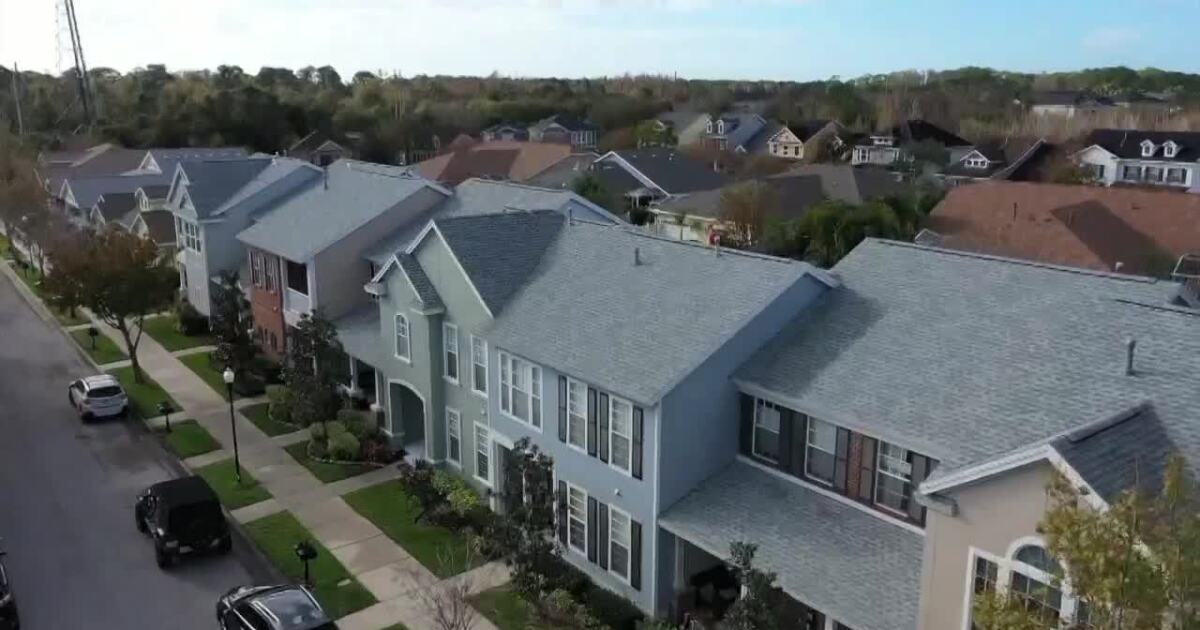
Florida’s property insurance crisis is becoming the defining issue heading into the 2026 election season. Republicans argue that recent reforms are finally stabilizing the market, pointing to reduced litigation and cooling reinsurance costs. Democrats counter that families are still facing unbearable premiums, with condo prices dropping over 8% and Floridians paying some of the highest insurance rates in the nation. As lawmakers prepare to return to Tallahassee, the future of insurance reform is set to become the central political fight—one that will directly impact homeowners, investors, and real estate professionals across the state.
Connectivity has become one of the most powerful differentiators in today’s real estate market. As smart buildings, automation, and sustainability demands accelerate, fiber networks are replacing outdated copper systems and reshaping property value. With lower energy use, unified smart‑building capabilities, reduced long‑term costs, and stronger tenant satisfaction, digital infrastructure is now central to investment strategy. Real estate professionals who understand this shift gain a competitive edge as the industry moves toward cleaner, smarter, more connected buildings.