State Farm Is Finally Proposing a Rate Reduction in Florida — And It Might Signal Something Bigger
For years, Florida’s home insurance market has felt like one of those theme‑park rides that climbs slowly, drops suddenly, and leaves everyone questioning why they got on in the first place. Premium after premium climbed, insurers pulled out, and homeowners braced for bad news every renewal season.
But for once, the storyline finally twists in the right direction.
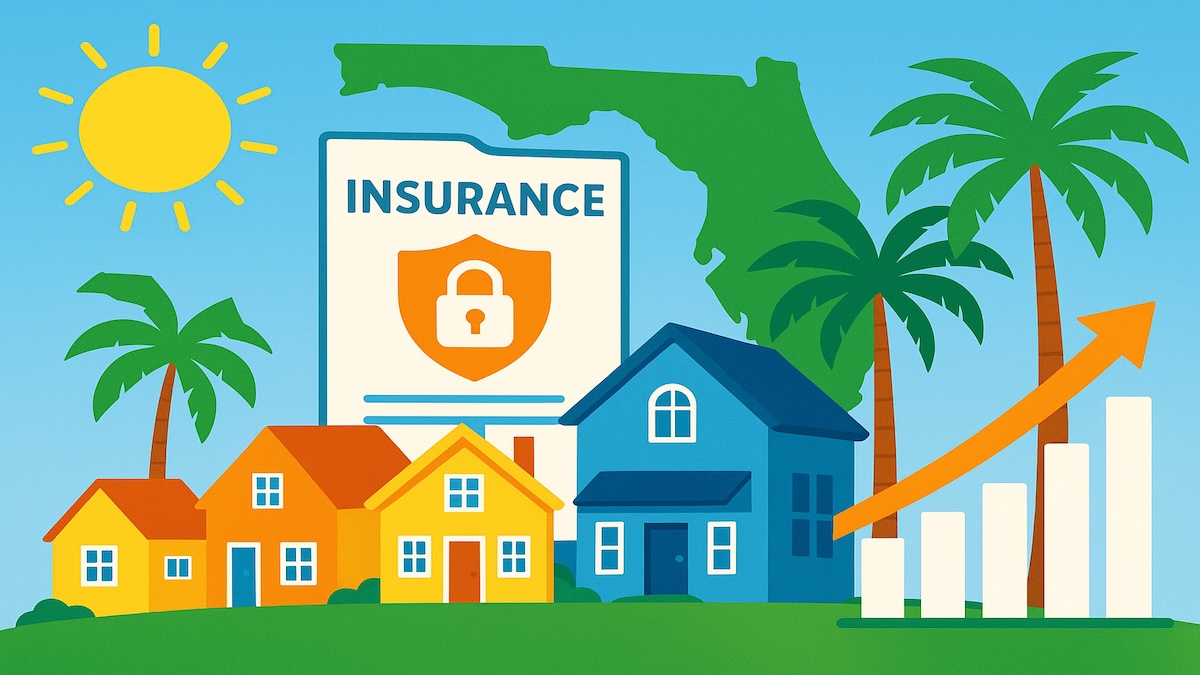
State Farm has officially filed for a 10% rate reduction for Florida homeowners. Yes, a reduction — not another hike. After years of increases, this move feels like a long‑needed breath of fresh air in a state where insurance stress has practically become a personality trait.
Source Spotlight: This update was originally shared by trusted outlets like Inkl and deepened by analysis from The Free Financial Advisor. Excellent resources if you’re tracking the insurance market’s evolution.
Why Would Rates Finally Drop?
Florida’s insurance landscape has weathered a storm of lawsuits, rising repair costs, fraudulent claims, and multiple insurers fleeing the state entirely. But reforms enacted over the last few years have started nudging the market toward stability.
New laws have reduced litigation abuse and tightened up claim-related loopholes. Insurers are now experiencing fewer catastrophic losses — not from fewer storms, but from fewer paperwork hurricanes.
And when the chaos settles, rate relief becomes more than wishful thinking.
What a 10% Reduction Means in Real Terms
In most states, a 10% cut might barely move the needle. But in Florida — where rates climbed faster than the summer humidity — even a modest reduction hits differently. It’s a signal. A shift. A welcome tap of the brakes.
It could even nudge competing insurers to reconsider their own pricing strategies. A domino effect? Maybe not yet. But it’s movement in the right direction.
The Reforms Behind the Scenes
State officials spent years trying to fix the chaos that pushed homeowners to breaking points. Reforms addressing excessive lawsuits, inflated claim schemes, and contractor abuse have begun to produce measurable improvements.
State Farm’s rate reduction is one of the first major indicators that these legislative changes may finally be benefiting residents’ wallets.
Why This Matters Even If You’re Not a State Farm Customer
When a top-tier insurer adjusts course, the ripple affects everyone. Market confidence strengthens, competitors analyze their own filings, and regulators anticipate broader shifts.
This move might be the first spark in what could become a slow, steady, and much‑needed cooling of Florida’s insurance market.
Smart Moves for Homeowners Right Now
Approval isn’t final yet — but homeowners don’t need to wait to act.
Consider taking the following steps:
Review your current policy for unnecessary add‑ons
Ensure all discounts are applied (wind mitigation is huge!)
Shop around to compare premium trends
Watch for new insurer filings in the coming months
A State Farm reduction is good news — but the best deal may still come from another provider.
A Welcome Shift After a Decade of Frustration
Florida’s insurance landscape is far from calm, but this move signals something homeowners haven’t felt in a long time: hope. A 10% reduction won’t rewrite the market overnight, but it’s a meaningful step toward stability.
For those working in real estate, insurance adjusting, property management, or finance, staying informed on these shifts is crucial. And that’s precisely why Cameron Academy continues to educate, prepare, and empower professionals through Florida’s top real estate and insurance licensing programs.
The next chapter for Florida insurance might finally be brighter — and far less chaotic.
Getting licensed or staying ahead in your career can be a journey—but it doesn’t have to be overwhelming. Grab your favorite coffee or tea, take a moment to relax, and browse through our articles. Whether you’re just starting out or renewing your expertise, we’ve got tips, insights, and advice to keep you moving forward. Here’s to your success—one sip and one step at a time!
President Trump recently suggested mortgage rates will drop “a lot lower” by early 2026, sparking industry-wide curiosity — but current economic data tells a more measured story. With today’s 30‑year fixed hovering near 6.25%, experts say meaningful declines remain possible, though not guaranteed, and would depend on softer inflation, weaker economic signals, or a shift in bond market behavior. While political comments created headlines, analysts emphasize that only market conditions — not rhetoric — can drive rates down. Independent forecasts already point toward mid‑5% rates by 2026, offering a potentially healthier landscape for buyers, agents, and mortgage professionals preparing for the next cycle.
Artificial intelligence has moved from a futuristic concept to a central force driving today’s mortgage industry. From smarter underwriting to enhanced borrower experiences and tighter compliance, AI is transforming every corner of mortgage lending. As expectations rise and competition accelerates, AI literacy is no longer optional — it’s a core skill every mortgage, real estate and finance professional must master to stay relevant and lead confidently.
Global commercial real estate is shifting away from short-term recovery cycles and entering a long-term transformation driven by technology, sustainability, demographic change, and evolving work‑life patterns. Capital is becoming more selective, favoring resilient assets and alternative lenders, while high‑demand sectors such as industrial, logistics, data infrastructure, and specialized residential continue to outperform. Geography, sustainability standards, and flexibility are emerging as defining forces for the next cycle, signaling major opportunities—and challenges—for real estate professionals preparing for the future.
Artificial intelligence has moved from hype to essential infrastructure in the real estate world. From smarter valuations and predictive analytics to automated lead generation and personalized property-matching tools, AI is transforming how agents, brokers, lenders, and managers operate. As top platforms like Zillow, Redfin, Opendoor, and dozens more integrate deep‑learning technology, professionals across real estate, mortgage, insurance, and finance are being pushed to adapt. The future belongs to those who embrace these tools — and use them to elevate speed, accuracy, and client experience.
Florida’s once‑troubled property insurance market has staged an impressive recovery after its near‑collapse in 2022. A new ALIRT Insurance Research report shows that legislative reforms, tighter underwriting and the arrival of new insurers have restored stability, reduced Citizens’ policy load and revived industry confidence. While risks remain, the rebound is reshaping housing affordability and creating fresh opportunities for real estate, mortgage and insurance professionals.
A new bill gaining momentum in Tallahassee would stop insurers from denying claims based solely on artificial intelligence. Championed by Rep. Hillary Cassell, the proposal aims to restore trust in Florida’s troubled insurance market by ensuring human oversight in decisions that affect homeowners, newcomers, and industry professionals. As debates intensify, experts warn AI is reshaping insurance faster than ever—making it critical for real estate, mortgage, and insurance professionals to understand the regulatory shifts ahead.