Staying Ahead of the Curve: The Rental Market Trends That Will Define 2026

The rental market never sits still — and neither do the professionals who thrive in it. Policies shift, technology evolves and tenants elevate their expectations every single year. As 2026 approaches, understanding what’s changing (and why it matters) can give you the strategic advantage every sharp investor and property professional is chasing.
This expanded breakdown is inspired by an excellent Forbes Council article, which you can explore right here. Below is a more conversational, insight‑rich version crafted for growing professionals — especially those sharpening their edge with institutions like Cameron Academy.
1. Regulation Nation: Compliance Keeps Climbing
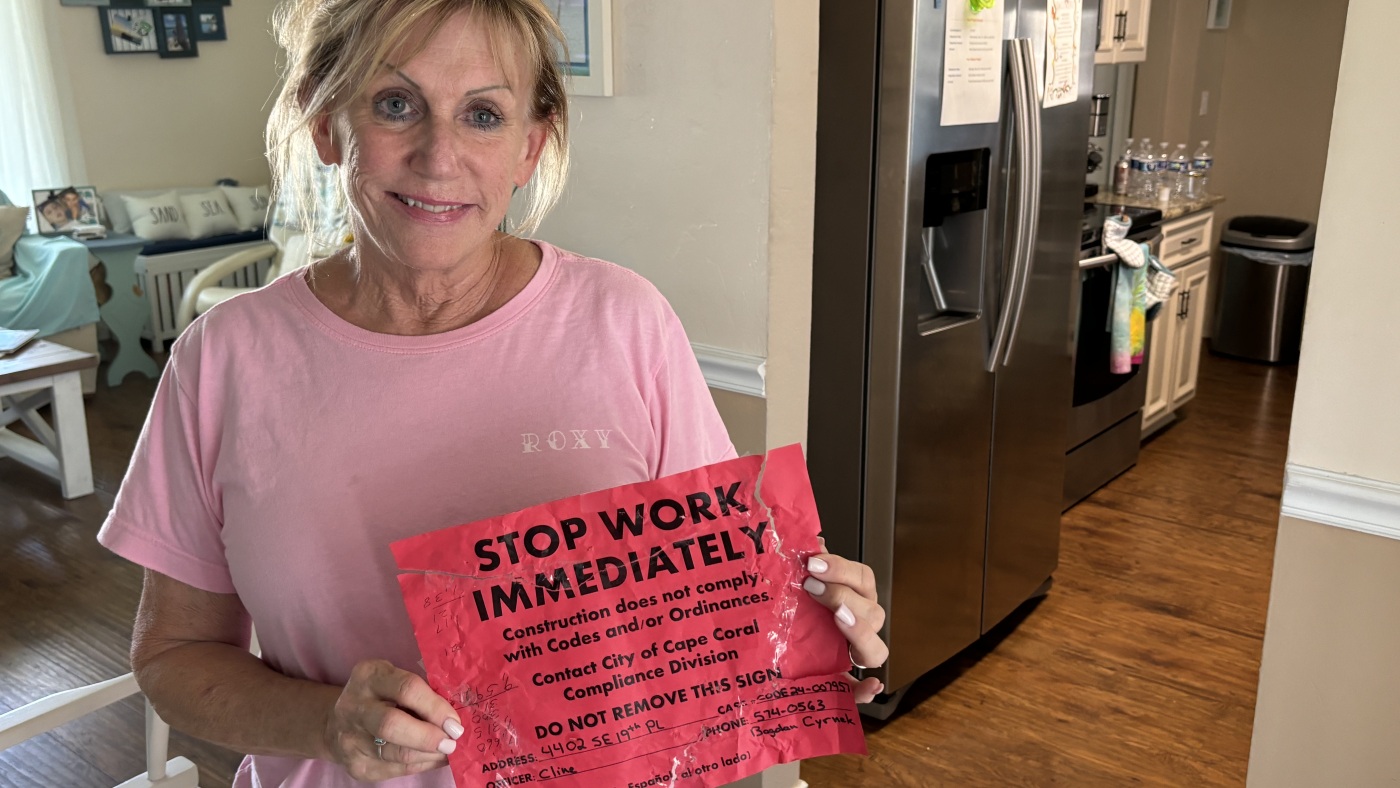
Regulation has become a relentless moving target. From enhanced energy‑efficiency mandates to expanding rent‑registry rules, compliance continues to build year after year. And 2026 is expected to roll out more environmental standards, updated water‑use limitations and stronger tenant‑protection initiatives.
The owners who win will be those who adopt a proactive mindset: early preparation, organized documentation and smart partnerships. Increasingly, investors are working with management firms that track deadlines and lock in contractor rates before seasonal spikes hit.
2. Insurance Pressures: Premiums Rise While Coverage Shrinks
The insurance market isn’t easing up — and multifamily operators feel the squeeze everywhere. Certain regions are seeing annual premium hikes above 25%, and many carriers are reducing or exiting high‑risk markets entirely.
Heading into 2026, reviewing policies early, bundling intelligently and documenting upgrades can protect your bottom line. Treat risk mitigation not as a chore but as a form of profit preservation.
3. Technology Upgrades Become Non‑Negotiable
The warm‑up years for automation are over. AI leasing tools, digital rent systems and maintenance automation are no longer add‑ons — they’re the new foundation for competitive property management.
Tenants want instant responses. Investors want real‑time clarity. Owners who fail to modernize may find themselves bleeding both time and retention.
4. Tenants Want a Lifestyle, Not Just a Lease
Renters across the U.S. are choosing communities that feel personal, modern and convenient. Amenities like EV charging stations, pet‑friendly environments, package storage and curated resident events are now powerful differentiation tools.
Operators who enter 2026 with a focus on tenant experience will stand out far more than those focused only on rent collection.
5. Efficiency = Stability in 2026
With so much evolving at once, one truth remains: operational discipline wins long-term. Strategic maintenance planning, consistent communication and reliable vendor relationships all help protect margins in any market climate.
Those who embrace tech, compliance and resident experience — not just annual rent increases — will be positioned to thrive, not just endure.
Final Thoughts
The rental market rewards those who stay informed, flexible and forward‑thinking. Understanding shifting regulations, leveraging modern tools and staying aligned with tenant expectations will be key to navigating 2026 with confidence.
For professionals advancing careers in real estate, property management, insurance, finance and beyond, staying educated is the ultimate competitive advantage. Platforms like Cameron Academy help both new and seasoned professionals remain future‑ready — because in a market this fast‑moving, knowledge is profit.
To dive deeper into the original expert insights, visit Forbes:
Staying Ahead of the Curve: Key Rental Market Trends for 2026