Staying Ahead of the Curve: The Rental Market Trends That Will Define 2026

New homeowner receiving keys

The rental market never sits still — and neither do the professionals who thrive in it. Policies shift, technology evolves and tenants elevate their expectations every single year. As 2026 approaches, understanding what’s changing (and why it matters) can give you the strategic advantage every sharp investor and property professional is chasing.

This expanded breakdown is inspired by an excellent Forbes Council article, which you can explore right here. Below is a more conversational, insight‑rich version crafted for growing professionals — especially those sharpening their edge with institutions like Cameron Academy.

1. Regulation Nation: Compliance Keeps Climbing

Regulation has become a relentless moving target. From enhanced energy‑efficiency mandates to expanding rent‑registry rules, compliance continues to build year after year. And 2026 is expected to roll out more environmental standards, updated water‑use limitations and stronger tenant‑protection initiatives.

The owners who win will be those who adopt a proactive mindset: early preparation, organized documentation and smart partnerships. Increasingly, investors are working with management firms that track deadlines and lock in contractor rates before seasonal spikes hit.

2. Insurance Pressures: Premiums Rise While Coverage Shrinks

The insurance market isn’t easing up — and multifamily operators feel the squeeze everywhere. Certain regions are seeing annual premium hikes above 25%, and many carriers are reducing or exiting high‑risk markets entirely.

Heading into 2026, reviewing policies early, bundling intelligently and documenting upgrades can protect your bottom line. Treat risk mitigation not as a chore but as a form of profit preservation.

3. Technology Upgrades Become Non‑Negotiable

The warm‑up years for automation are over. AI leasing tools, digital rent systems and maintenance automation are no longer add‑ons — they’re the new foundation for competitive property management.

Tenants want instant responses. Investors want real‑time clarity. Owners who fail to modernize may find themselves bleeding both time and retention.

4. Tenants Want a Lifestyle, Not Just a Lease

Renters across the U.S. are choosing communities that feel personal, modern and convenient. Amenities like EV charging stations, pet‑friendly environments, package storage and curated resident events are now powerful differentiation tools.

Operators who enter 2026 with a focus on tenant experience will stand out far more than those focused only on rent collection.

5. Efficiency = Stability in 2026

With so much evolving at once, one truth remains: operational discipline wins long-term. Strategic maintenance planning, consistent communication and reliable vendor relationships all help protect margins in any market climate.

Those who embrace tech, compliance and resident experience — not just annual rent increases — will be positioned to thrive, not just endure.

Final Thoughts

The rental market rewards those who stay informed, flexible and forward‑thinking. Understanding shifting regulations, leveraging modern tools and staying aligned with tenant expectations will be key to navigating 2026 with confidence.

For professionals advancing careers in real estate, property management, insurance, finance and beyond, staying educated is the ultimate competitive advantage. Platforms like Cameron Academy help both new and seasoned professionals remain future‑ready — because in a market this fast‑moving, knowledge is profit.

To dive deeper into the original expert insights, visit Forbes: Staying Ahead of the Curve: Key Rental Market Trends for 2026

More Articles

Getting licensed or staying ahead in your career can be a journey—but it doesn’t have to be overwhelming. Grab your favorite coffee or tea, take a moment to relax, and browse through our articles. Whether you’re just starting out or renewing your expertise, we’ve got tips, insights, and advice to keep you moving forward. Here’s to your success—one sip and one step at a time!

Florida Homeowners Finally Get Relief as Gov. DeSantis Announces Significant Insurance Premium Cuts

Florida homeowners — especially in hard‑hit South Florida — are set to see rare and substantial reductions in their property insurance premiums. Gov. Ron DeSantis announced an average statewide Citizens Insurance decrease of 8.7%, with even larger savings of up to 14% in counties like Miami-Dade, Broward, and Palm Beach. State officials credit recent legal and regulatory reforms for stabilizing the market, attracting new insurers, and delivering the first meaningful rate relief Floridians have seen in years.

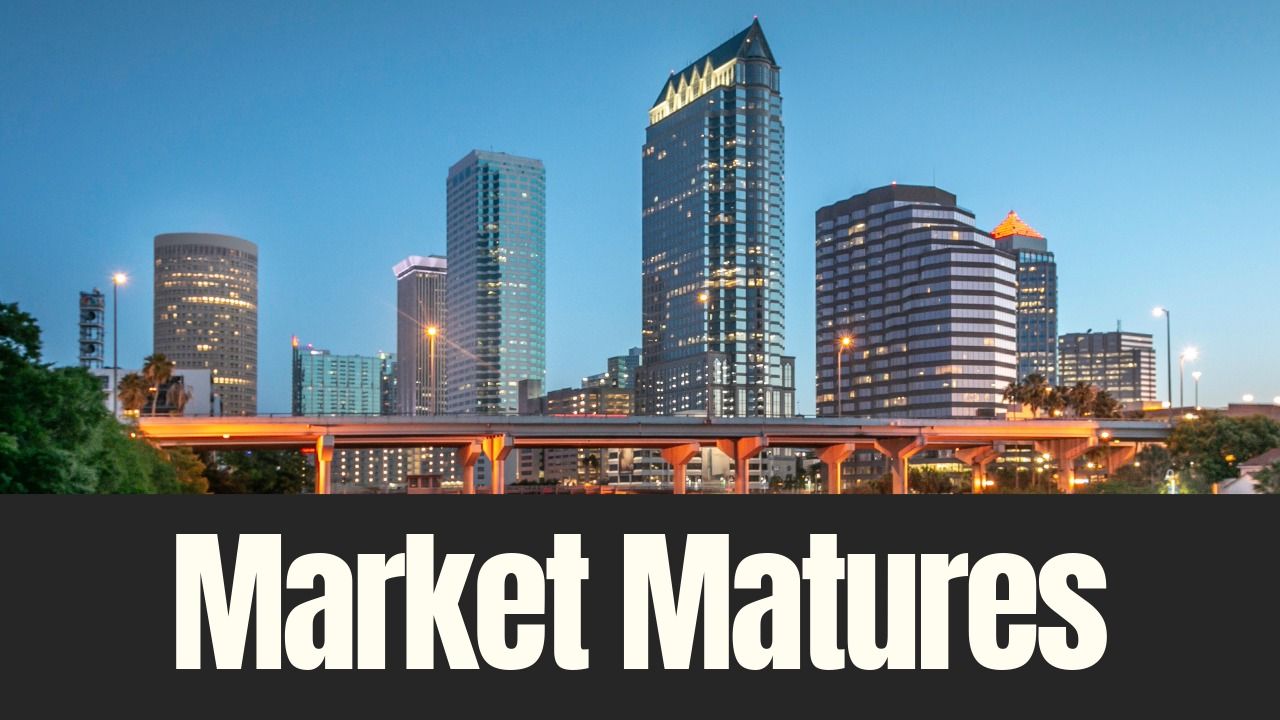
Tampa’s Real Estate Market Enters a Smarter, More Selective Growth Phase

Tampa’s commercial real estate market isn’t slowing—it’s maturing. With strong population growth, rising office demand, a normalized industrial sector, resurgent retail, and an emerging health‑care real estate boom, investors are shifting from speed to strategy. Tighter underwriting, cautious capital and increased due‑diligence are shaping a more disciplined market, creating new opportunities for informed professionals.

Florida Slashes Home Insurance Rates: Biggest Drop in a Decade Sends Shockwaves Through the Market

Florida homeowners are finally seeing relief as Citizens Property Insurance announces a major 8.7% average rate decrease—far larger than originally proposed. Driven by legislative reforms, fewer lawsuits, and a calm hurricane season, the state’s once‑unstable insurance market is showing real signs of recovery. But with reduced coverage limits and shifting legal protections, experts warn that lower premiums may come with hidden trade‑offs.

Florida Homeowners Finally Get Insurance Relief After Years of Soaring Premiums

After a decade of rising premiums and retreating carriers, Florida homeowners are finally seeing long‑awaited relief. Dozens of insurers have filed for rate decreases—some as high as 11%—thanks to legislative reforms and a stabilizing market. Early approvals are already hitting counties across the state, and experts say the momentum could boost buyer confidence, affordability, and competition throughout Florida’s real estate and insurance sectors.

Self‑Storage Investing in 2026: A Market Thaw Opens the Door to Big Opportunities

After years of slowed activity caused by rising interest rates, the self‑storage industry is heating up again. New data from Marcus & Millichap shows a fresh market cycle emerging, driven by renewed buyer confidence, recalibrated pricing, and stronger lender participation. Acquisitions are rebounding, development is resetting in a healthier direction, and financing conditions are improving—creating one of the most promising investment landscapes the sector has seen in years.

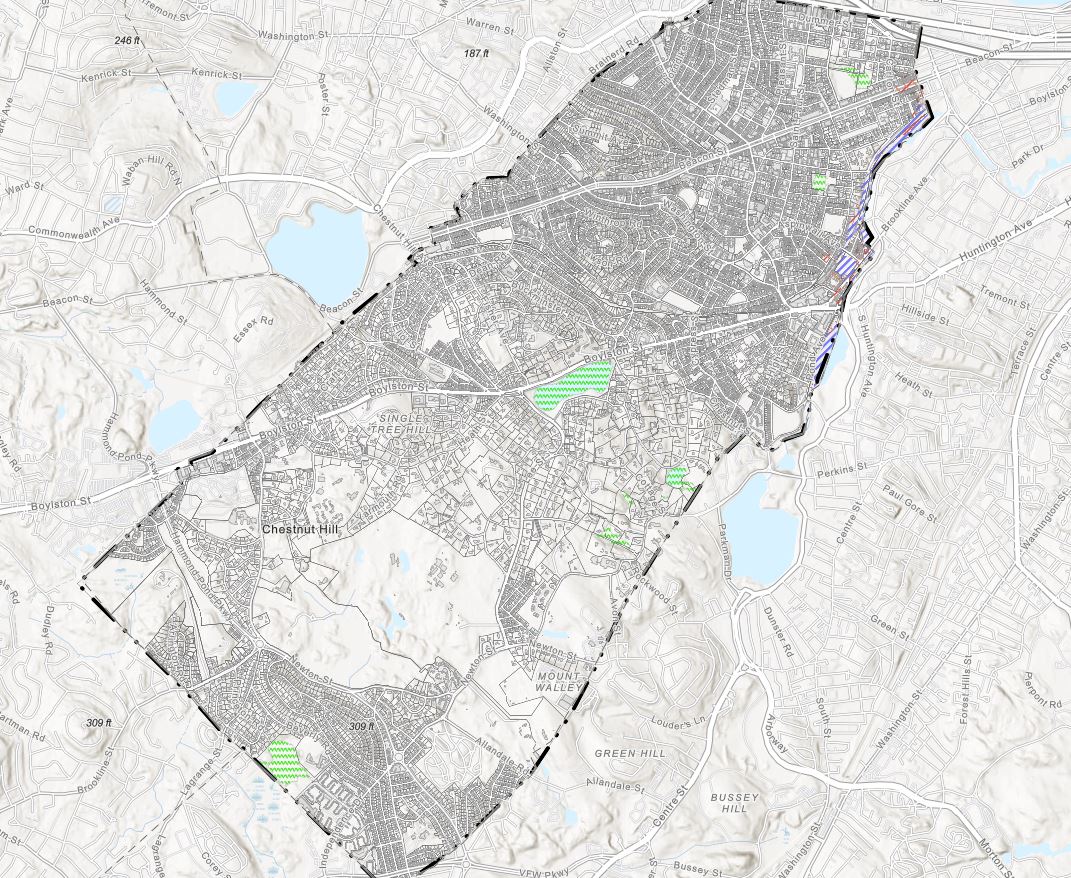
Brookline’s Real Flood Risk: What FEMA’s New Maps Reveal—and What They Miss

Brookline’s newly updated FEMA flood maps identify 97 high‑risk parcels, but local experts warn the true threat is far greater. While FEMA highlights river‑based flooding around Leverett Pond and the Muddy River, alternative models show more than 1,300 Brookline properties at risk within 30 years. Hidden vulnerabilities along major corridors like Beacon Street, rising rainfall intensity, aging infrastructure, and climate‑driven storm patterns suggest that many “low‑risk” areas may be anything but safe.