Strategic Positioning in the Commercial Real Estate Market


As the world of commercial real estate continues to evolve, organizations are presented with a generational opportunity to strategically position themselves for future developments. According to the latest insights from Deloitte’s 2025 commercial real estate outlook, this is a pivotal moment for industry leaders to capitalize on emerging trends.

The report highlights several key factors influencing the market, including interest rate adjustments by major central banks. For instance, the Bank of England recently cut interest rates for the first time since 2020, a move echoed by discussions within the Federal Reserve about potential rate cuts should inflation remain stable.

In addition to monetary policy, sustainability is becoming an increasingly important focus. The rise in sustainable bond issuance, projected to approach $1 trillion in 2024, underscores the industry’s commitment to green initiatives. Organizations are urged to consider green building practices to align with this trend.

Deloitte’s analysis also points to the importance of strategic foresight in navigating these changes. With insights from various economic forecasts, such as the United States Economic Forecast and the Eurozone Economic Outlook, organizations can better position themselves to leverage opportunities and mitigate risks.

As the industry moves forward, the emphasis on strategic positioning and sustainability will likely define the next era of commercial real estate. For more insights, the full report is available on Deloitte Insights.

More Articles

Getting licensed or staying ahead in your career can be a journey—but it doesn’t have to be overwhelming. Grab your favorite coffee or tea, take a moment to relax, and browse through our articles. Whether you’re just starting out or renewing your expertise, we’ve got tips, insights, and advice to keep you moving forward. Here’s to your success—one sip and one step at a time!

The Most Popular Housing Markets of 2024 Unveiled

Among the bustling cities, New York, NY, stands out, capturing 3.4% of the total online traffic. This is followed by Dallas, TX (2.7%), Chicago, IL (2.6%), Miami, FL (2.5%), and Tampa, FL (1.9%). These cities have emerged as hotspots for prospective homebuyers, reflecting a high level of interest and potential market growth.

By |March 4, 2025|Categories: Article, Housing Market Trends, Real Estate|Tags: , |0 Comments

Texas Enhances Mortgage Sector Protections with New Regulations

In a significant move to bolster consumer protections in the mortgage sector, Texas has enacted new regulations aimed at enhancing transparency and accountability among mortgage lenders and servicers.

Integrating Real Estate into Defined Contribution Plans: A Strategic Move for Better Retirement Outcomes

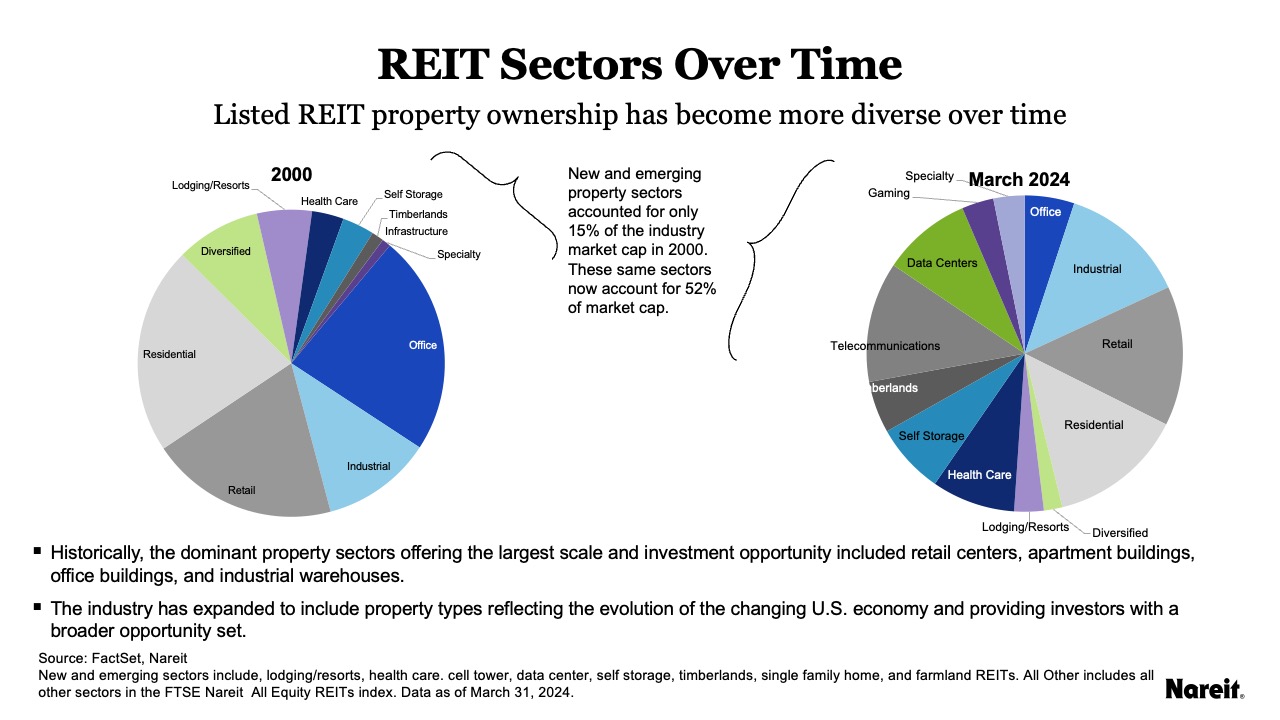
In the world of retirement planning, the integration of underrepresented asset classes into defined contribution (DC) plans is gaining momentum. For decades, defined benefit (DB) pension plans have successfully leveraged real estate within their investment portfolios. Now, DC plans are following suit, largely through the use of Real Estate Investment Trusts (REITs).

Exploring the Potential of Real Estate Investment Trusts (REITs)

REITs have democratized real estate investment, allowing individuals to invest in diverse property portfolios with the same ease as purchasing stocks. The beauty of REITs lies in their ability to transform traditionally illiquid assets into liquid ones, offering investors both liquidity and diversification.

By |March 4, 2025|Categories: Article, Finance, Real Estate|Tags: |0 Comments

In the Face of Economic Uncertainty: Building a Resilient Investment Portfolio

As economic uncertainty continues to cast a shadow over global markets, investors are increasingly seeking strategies to safeguard and grow their wealth.

Revolutionizing Real Estate: EstateSlice NFT Leverages Blockchain

In a bold move set to transform the real estate sector, EstateSlice NFT is leveraging blockchain technology to break down traditional barriers to property investment.