

Strategies for Minimizing Tenant Phone Calls in Your Rental Property Business
How to Streamline Communication for a Hassle-Free Landlord Experience
Being a landlord can be a challenging task, especially when it comes to managing tenant phone calls. BiggerPockets is a platform that provides resources to landlords, helping them navigate such challenges.
By implementing efficient strategies, landlords can minimize tenant phone calls, streamline communication, and enjoy a hassle-free landlord experience.
Courses offered by Cameron Academy can empower landlords with the knowledge and skills they need to succeed in the real estate industry.
Landlord’s Challenge: Reducing Tenant Phone Calls
Owning a rental property business comes with its fair share of challenges. One of the most common issues faced by landlords is the constant stream of tenant phone calls, which can be disruptive and time-consuming. However, there are efficient strategies that can help minimize these calls and create a more streamlined communication system.
Empowering Tenants with Knowledge: A Comprehensive Tenant Handbook
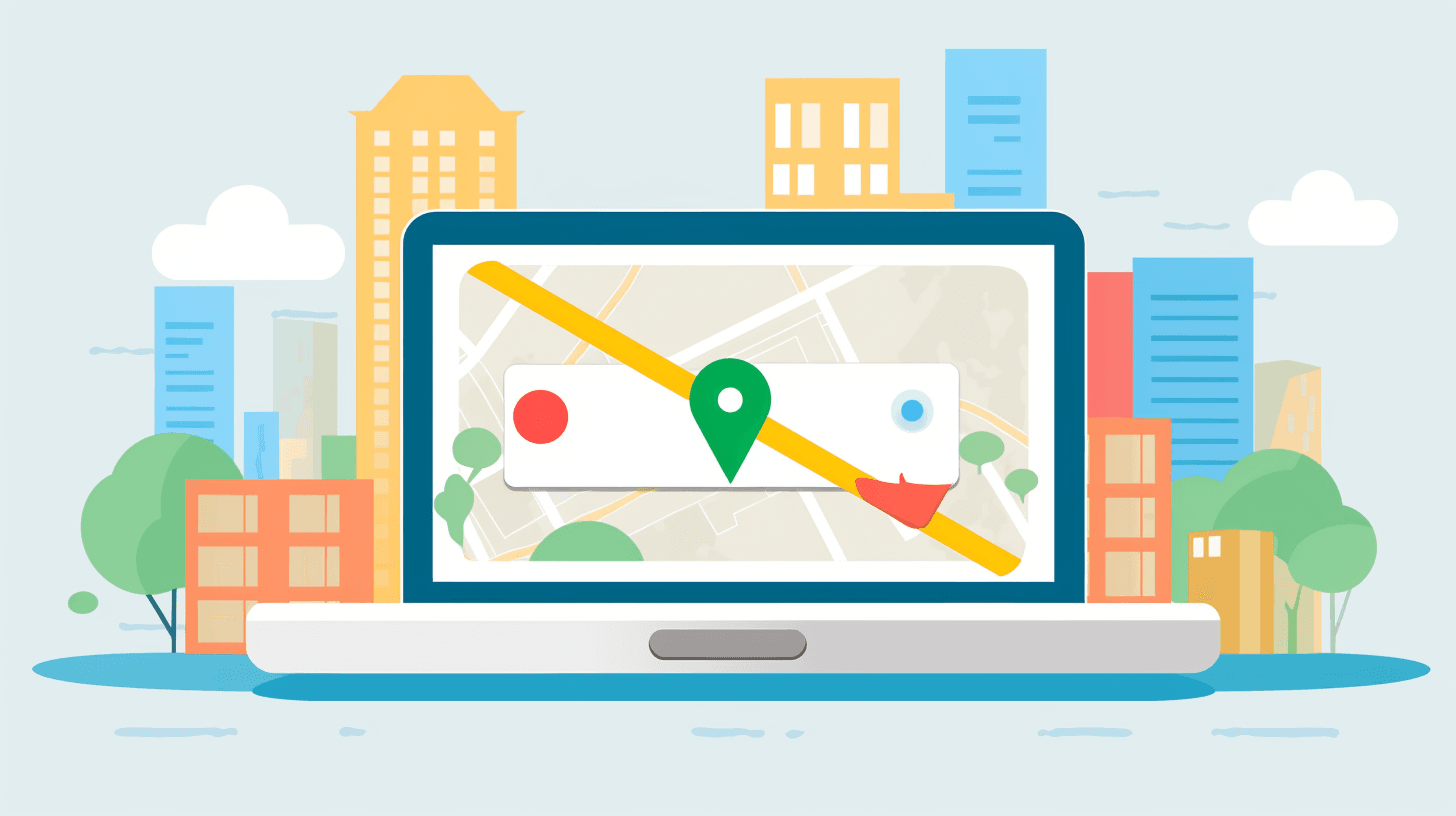
One key component of an efficient communication system is a comprehensive tenant handbook. This handbook serves as a valuable resource for tenants, providing them with essential information about the property, maintenance procedures, and emergency contacts. By empowering tenants with knowledge, many common questions and concerns can be addressed, reducing the need for frequent phone calls.
In the handbook, landlords can include details about lease agreements, rent payment methods, and guidelines for reporting maintenance issues. By providing tenants with clear instructions and expectations, the likelihood of unnecessary phone calls decreases significantly.

Simplifying Communication: An Online Maintenance Request Portal
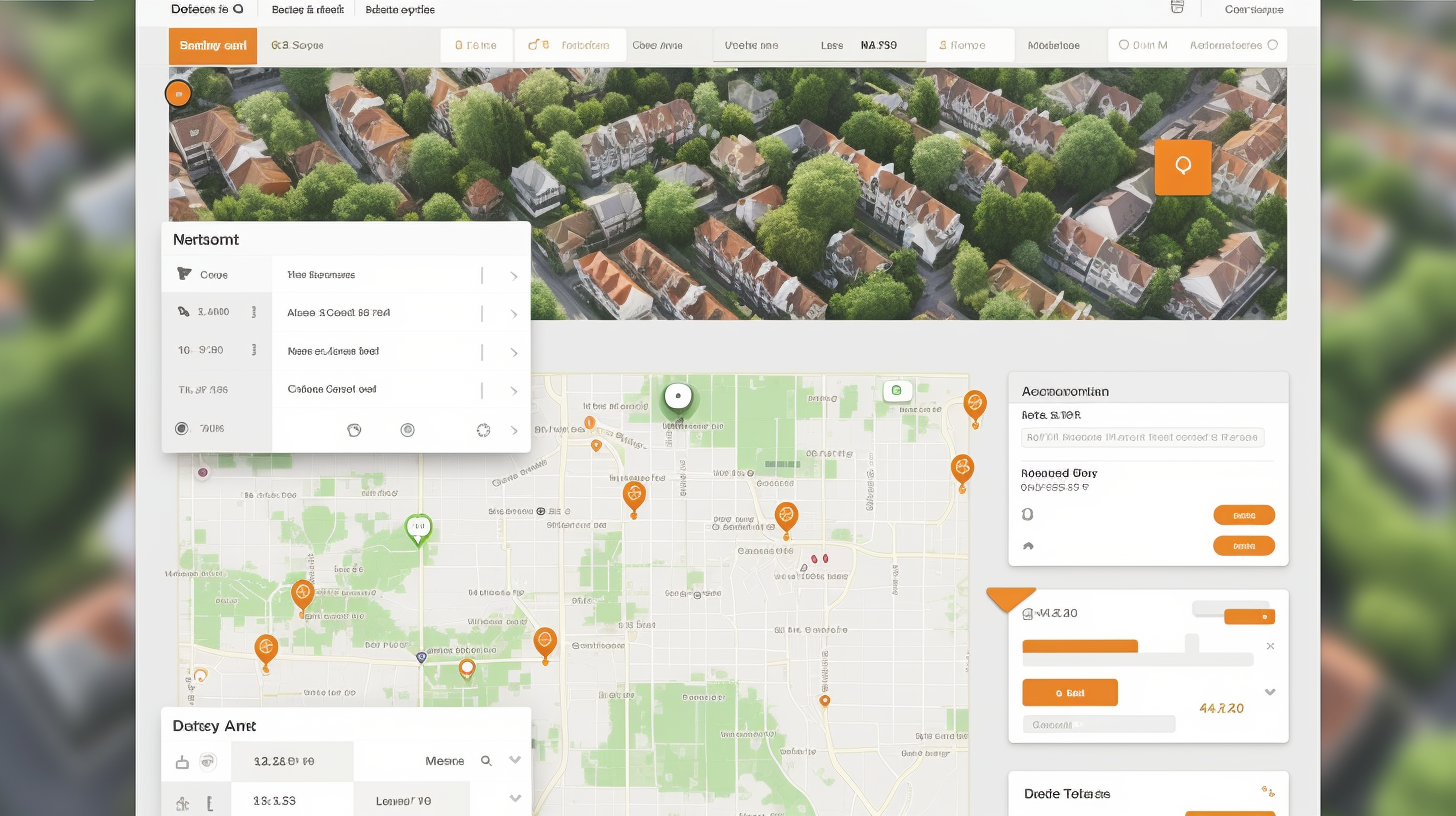
Another effective strategy to minimize tenant phone calls is the implementation of an online maintenance request portal. This portal allows tenants to submit maintenance requests online, providing all the necessary details and even attaching photos if needed. By streamlining the maintenance request process, landlords can efficiently address issues without the need for lengthy phone conversations.
The online portal can be designed to categorize maintenance requests based on urgency, ensuring that urgent matters are addressed promptly. This not only reduces phone calls but also improves the overall tenant experience by providing a convenient and transparent communication channel.
Keeping Tenants Informed: Regular Communication Channels
Effective communication is key to minimizing tenant phone calls. By establishing regular communication channels, such as a monthly newsletter, landlords can keep tenants informed about important updates, upcoming maintenance schedules, community events, or policy changes. This proactive approach ensures that tenants are aware of relevant information without the need for individual phone calls.
The monthly newsletter can be sent via email or posted on a dedicated tenant portal. It can include relevant articles, tips for maintaining the property, and reminders about rent payment deadlines. By providing valuable and timely information, landlords can foster a sense of community and reduce the need for frequent phone calls.
Efficient Problem Solving: Building a Network of Trusted Service Providers
Lastly, landlords can minimize tenant phone calls by building a network of trusted service providers. By partnering with reliable contractors and maintenance professionals, landlords can ensure that maintenance issues are addressed promptly and efficiently. This eliminates the need for landlords to handle every request personally, reducing the number of phone calls and freeing up time for other aspects of their rental property business.
By implementing these strategies, landlords can significantly reduce the number of tenant phone calls, improve their work-life balance, and create a more streamlined and efficient communication system. It’s time to embrace these innovative approaches and enjoy a hassle-free landlord experience.
Optimize Your Rental Property Business Today
Discover the proven strategies to minimize tenant phone calls and streamline your communication system. At Cameron Academy, we offer comprehensive courses designed to empower landlords with the knowledge and skills they need to succeed in the real estate industry.
Take the first step towards a hassle-free landlord experience by exploring our courses and start your journey towards optimizing your rental property business today.
Start Your Journey Towards a Hassle-Free Landlord Experience
Explore our courses and start your journey towards optimizing your rental property business today.
Browse Our Courses











