Stratford Begins 2025 Property Revaluation: What Homeowners Should Know Right Now
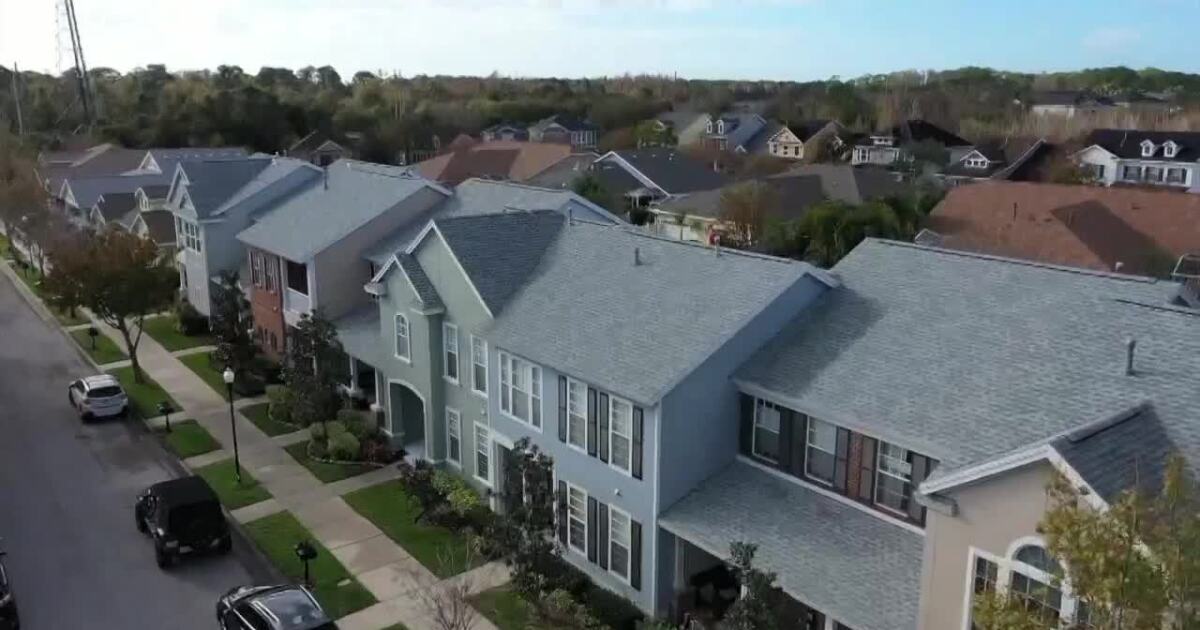
Stratford homeowners are opening their mailboxes this week to find something many didn’t expect: their official Notices of Assessment Change for the 2025 Revaluation. This routine-yet-impactful update, required by Connecticut State Law, reflects the dramatic shifts in the real estate market since the town’s last full valuation cycle in 2019.
This announcement, first highlighted by Patch, brings a mixture of clarity and curiosity for local property owners. And while numbers may be rising, officials emphasize that your updated assessment is not your new tax bill.
Why Your Assessment Changed
The Town’s appraisal team analyzes current market conditions to calculate today’s property values. By Connecticut standards, these assessments represent 70% of fair market value, aligning Stratford with statewide valuation guidelines.
Important: Homeowners should avoid using the current mill rate to estimate future taxes. A new mill rate will be established in Spring 2026 once the FY 2026–2027 budget is approved.
Mayor Laura Hoydick encouraged residents to stay engaged, noting that the revaluation process is routine, structured, and designed for fairness. She advises property owners to participate in the informal hearings if they have questions about their updated values.
How to Challenge or Discuss Your New Assessment
Stratford has partnered with Vision Government Solutions to host informal assessment hearings at the Baldwin Center. These sessions are an opportunity to present documentation, compare data, and ask questions about how your property was evaluated.
Appointments run Monday through Friday, 9 a.m. to 4 p.m. (excluding Nov. 26–28). Homeowners should schedule within seven days of receiving their notice via www.vgsi.com/schedules or by calling 1‑888‑844‑4300.
Understanding the Revaluation Process
The Town’s detailed FAQ outlines how data collection, inspections, market research, and property reviews all merge to create a final value. Location, building quality, land type, recent sales, and property characteristics play major roles.
Residents should note that declining a requested interior inspection may lead to estimated factors—which could either benefit or disadvantage the final assessment.
What Happens If You Still Disagree?
After informal hearings conclude, property owners may escalate appeals to the Board of Assessment Appeals between February 1–20, 2026. If necessary, additional appeals can be filed through Superior Court.
Why This Matters for Real Estate & Future Professionals
Revaluations shape the foundation of local real estate markets. Realtors, appraisers, mortgage advisors, and investors rely heavily on accurate municipal valuations to drive decisions, set expectations, and understand the financial future of local communities.
For those forging a career in real estate—or expanding into appraisal, taxation, or property valuation—this is essential knowledge. Institutions like Cameron Academy give rising professionals the tools, certifications, and insights they need to thrive in evolving market landscapes like Stratford’s.
For deeper community coverage, the original reporting from Patch remains an excellent resource.
Whether you’re a homeowner navigating big changes or a professional sharpening your edge, staying informed gives you a decisive advantage in today’s market.
More Articles
Getting licensed or staying ahead in your career can be a journey—but it doesn’t have to be overwhelming. Grab your favorite coffee or tea, take a moment to relax, and browse through our articles. Whether you’re just starting out or renewing your expertise, we’ve got tips, insights, and advice to keep you moving forward. Here’s to your success—one sip and one step at a time!
The commercial real estate sector closed out 2025 with renewed stability, as the Real Estate Roundtable’s latest sentiment index shows rising confidence and improving market fundamentals. Executives report better access to capital, stronger performance in residential, retail, and hospitality, and early signs of recovery in the office market. With financing loosening and asset values climbing, the outlook for 2026 is increasingly optimistic, creating fresh opportunities for both seasoned professionals and newcomers preparing to enter the field.
The CFPB is proposing changes to how lenders evaluate “disparate impact” under the Equal Credit Opportunity Act, potentially tightening the scrutiny on credit decisions that unintentionally disadvantage protected groups. These updates could reshape underwriting models, lending criteria, and compliance requirements — ultimately influencing mortgage approvals, buyer qualifications, and day‑to‑day real estate activity.
Florida’s insurance crisis has become the defining issue heading into 2026, with Republicans touting recent market improvements while Democrats argue families are still being crushed by soaring premiums. From billion‑dollar auto insurance refunds to condo markets destabilized by post‑Surfside rate spikes, the state’s political divide is shaping the future of real estate, insurance, and affordability for millions.
October 2025 brought a wave of major regulatory updates across insurance, finance, and compliance. From stricter oversight on retail insurers and new FCA rules on ESG and travel insurance, to EIOPA’s EU‑wide consultations and refreshed corporate governance standards, regulators signaled higher expectations and faster change ahead. For professionals—and those pursuing licenses—these shifts directly impact risk management, product design, and consumer outcomes, making regulatory awareness a critical competitive advantage.
After nearly two years of sluggish activity, commercial real estate lending is finally accelerating—fast. New data from CBRE shows loan closings jumped 112% year‑over‑year in Q3 2025, reaching their highest level since 2018. With interest rates stabilizing and credit spreads tightening, investors are returning, banks are re‑entering the market, and multifamily financing is dominating once again. The long‑stalled deal flow is thawing, signaling renewed momentum heading into 2026.
Farmers Insurance is lifting its cap on new homeowner policies in California after two years of limiting growth, signaling a shift in the state’s strained insurance market. The expansion comes with a proposed 6.99 percent rate increase that still needs regulatory approval. Supporters call it a turning point driven by new wildfire‑risk rules, while consumer advocates warn the reforms contain loopholes and could lead to higher costs for homeowners.