Stratford Begins 2025 Property Revaluation: What Homeowners Should Know Right Now
Stratford homeowners are opening their mailboxes this week to find something many didn’t expect: their official Notices of Assessment Change for the 2025 Revaluation. This routine-yet-impactful update, required by Connecticut State Law, reflects the dramatic shifts in the real estate market since the town’s last full valuation cycle in 2019.
This announcement, first highlighted by Patch, brings a mixture of clarity and curiosity for local property owners. And while numbers may be rising, officials emphasize that your updated assessment is not your new tax bill.
Why Your Assessment Changed
The Town’s appraisal team analyzes current market conditions to calculate today’s property values. By Connecticut standards, these assessments represent 70% of fair market value, aligning Stratford with statewide valuation guidelines.
Important: Homeowners should avoid using the current mill rate to estimate future taxes. A new mill rate will be established in Spring 2026 once the FY 2026–2027 budget is approved.
Mayor Laura Hoydick encouraged residents to stay engaged, noting that the revaluation process is routine, structured, and designed for fairness. She advises property owners to participate in the informal hearings if they have questions about their updated values.
How to Challenge or Discuss Your New Assessment
Stratford has partnered with Vision Government Solutions to host informal assessment hearings at the Baldwin Center. These sessions are an opportunity to present documentation, compare data, and ask questions about how your property was evaluated.
Appointments run Monday through Friday, 9 a.m. to 4 p.m. (excluding Nov. 26–28). Homeowners should schedule within seven days of receiving their notice via www.vgsi.com/schedules or by calling 1‑888‑844‑4300.
Understanding the Revaluation Process
The Town’s detailed FAQ outlines how data collection, inspections, market research, and property reviews all merge to create a final value. Location, building quality, land type, recent sales, and property characteristics play major roles.
Residents should note that declining a requested interior inspection may lead to estimated factors—which could either benefit or disadvantage the final assessment.
What Happens If You Still Disagree?
After informal hearings conclude, property owners may escalate appeals to the Board of Assessment Appeals between February 1–20, 2026. If necessary, additional appeals can be filed through Superior Court.
Why This Matters for Real Estate & Future Professionals
Revaluations shape the foundation of local real estate markets. Realtors, appraisers, mortgage advisors, and investors rely heavily on accurate municipal valuations to drive decisions, set expectations, and understand the financial future of local communities.
For those forging a career in real estate—or expanding into appraisal, taxation, or property valuation—this is essential knowledge. Institutions like Cameron Academy give rising professionals the tools, certifications, and insights they need to thrive in evolving market landscapes like Stratford’s.
For deeper community coverage, the original reporting from Patch remains an excellent resource.
Whether you’re a homeowner navigating big changes or a professional sharpening your edge, staying informed gives you a decisive advantage in today’s market.
More Articles
Getting licensed or staying ahead in your career can be a journey—but it doesn’t have to be overwhelming. Grab your favorite coffee or tea, take a moment to relax, and browse through our articles. Whether you’re just starting out or renewing your expertise, we’ve got tips, insights, and advice to keep you moving forward. Here’s to your success—one sip and one step at a time!
Florida’s property insurance system is once again spiraling as new “market-friendly” reforms fail to stabilize rising premiums, insurer failures, and mounting homeowner frustration. Despite aggressive efforts to shift policyholders from Citizens to private carriers, many of the new insurers stepping in are tied to past insolvencies, questionable ratings, and political influence. For real estate, mortgage, and insurance professionals, these systemic cracks are reshaping closings, valuations, and risk across the state—making it essential to stay ahead of ongoing regulatory and market shifts.
Commercial real estate is heading into a turning‑point year in 2026, driven by economic uncertainty, AI‑powered transformation, shifting demographics and rising portfolio risk. Insights from The Counselors of Real Estate highlight the top issues shaping the year ahead—from fiscal pressures and capital constraints to housing shortages, global volatility and the future of data‑driven decision‑making. For real estate, mortgage, insurance and finance professionals, these trends offer a clear roadmap for staying competitive and preparing for the next wave of industry change.
AI-powered tools, fraud protection systems, and smarter MLS integrations are sweeping through the real estate industry as major organizations adopt new technologies. From RealReports hitting its 50th partnership to BeachesMLS unveiling instant AI home visualizations and Doorify boosting security, professionals are seeing rapid advancements that promise sharper insights, safer transactions, and more efficient rental workflows. This evolving tech landscape underscores the importance of staying educated and adaptable — especially for agents preparing for a competitive, AI-enhanced 2025 market.
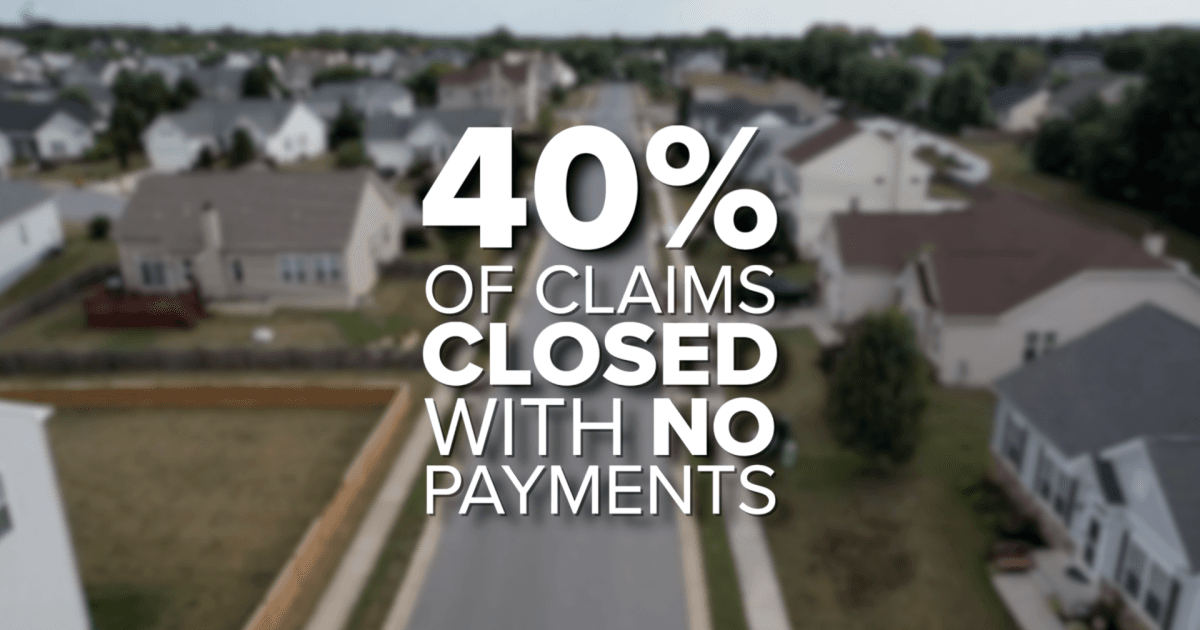
Florida homeowners are being hit with the highest insurance premiums in the nation, averaging $5,838 per year—nearly double the U.S. average. As costs skyrocket, many residents are reporting denied claims, non‑renewals, and impossible financial choices. New investigations reveal that more than 40 percent of claims in Florida close with no payment, while lawmakers push for transparency, fair pricing, and meaningful reform to stabilize a market that’s rapidly becoming unsustainable.
Vend Park, a Boston-based proptech company, has raised $17.5 million in Series A funding to reinvent parking as a high-performing commercial real estate asset. By replacing outdated operator–vendor systems with a unified AI-driven platform, Vend Park is helping major property owners boost NOI by up to 30%, slash operating costs, and modernize the tenant experience. As the company expands from three to fifteen cities and partners with giants like Nuveen and Jamestown, its technology highlights a major shift: real estate professionals must now understand AI, automation, and digital infrastructure to stay competitive.
Keller Williams Realty Atlanta Partners has formed an exclusive partnership with Southeast Mortgage, Georgia’s largest non‑bank mortgage lender. The collaboration promises faster, tech‑enhanced transactions for both agents and homebuyers, combining real estate expertise with streamlined mortgage services. This move reflects a growing trend toward integrated real‑estate ecosystems designed to reduce delays, boost transparency, and modernize the homebuying experience.