Streamlining Real Estate Success: A Deep Dive into CRM Software for 2024
In the fast-paced world of real estate, efficiency is not just a luxury—it’s a necessity. The Tech Report’s recent analysis, “Best Real Estate CRM Software | Top 10 Reviewed + Compared for 2024,” sheds light on the pivotal role of CRM software in transforming how real estate professionals manage leads, engage with clients, and close deals.
The Importance of CRM Software in Real Estate
Real estate is a sector where relationships are king. A robust CRM system is essential for managing these relationships effectively. The article emphasizes how CRM tools enable agents to efficiently handle lead generation, marketing, and sales processes, ultimately leading to increased deal closure rates. By staying organized and tracking prospects, agents can focus more on building relationships rather than being bogged down by administrative tasks.
Top CRM Solutions for 2024
The article reviews a comprehensive list of CRM solutions, each offering unique features and benefits tailored to different needs and budgets:
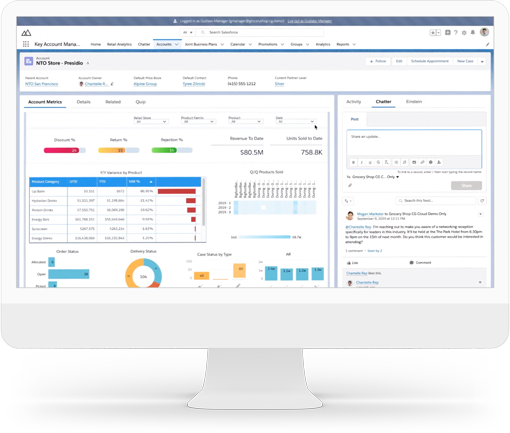
Salesforce: Lauded for its intuitive design and comprehensive features, Salesforce emerges as the top choice for real estate professionals. Its ability to manage contacts, track leads, and streamline communication is unmatched.
Pipedrive: Known for its ease of use in tracking leads and visualizing sales processes.
Zoho CRM: Offers a suite of tools for managing relationships with customers, prospects, and partners.
Monday Sales CRM: Ideal for self-employed professionals looking to streamline communication.
Zendesk Sell: A cloud-based solution focused on selling, perfect for real estate agents.
HubSpot: A free CRM solution that is perfect for small businesses looking to quickly find new leads.
Maximizer CRM: Great for automating daily tasks and improving efficiency.
Less Annoying CRM: A straightforward, no-frills option designed for simplicity and ease of use.
Oracle NetSuite: Provides a comprehensive suite of business applications with end-to-end sales automation capabilities.
Freshsales: An AI-powered system that helps prioritize leads and track activities.
Key Benefits of CRM Systems
The article highlights several benefits of adopting a CRM system in real estate:
Lead Scoring and Follow-Up Automation: CRM systems can prioritize leads and automate follow-up messages, ensuring no opportunity is missed.
Streamlined Sales Process: By automating routine tasks, agents can focus more on closing deals.
Enhanced Customer Service: CRMs provide insights into customer needs, allowing agents to offer personalized service.
Conclusion
In conclusion, the article from The Tech Report underscores Salesforce as the leading CRM for real estate in 2024, thanks to its powerful features and user-friendly interface. However, it also acknowledges other CRM systems that cater to different preferences and budgets, ensuring there’s a solution for every real estate professional.
For those ready to take their real estate business to the next level, exploring these CRM options is a step in the right direction. To read the full article, visit the original source here.
More Articles
Getting licensed or staying ahead in your career can be a journey—but it doesn’t have to be overwhelming. Grab your favorite coffee or tea, take a moment to relax, and browse through our articles. Whether you’re just starting out or renewing your expertise, we’ve got tips, insights, and advice to keep you moving forward. Here’s to your success—one sip and one step at a time!
In a world where technology is rapidly reshaping every facet of our lives, the healthcare sector is no exception. The recent review published in Cureus delves into the transformative role of telemedicine and telehealth, particularly in public healthcare. This narrative review highlights the integration of telehealth and telemedicine, their historical milestones, and how the COVID-19 pandemic accelerated their adoption.
The construction industry is poised for dramatic shifts. Those who embrace these changes will lead the way in shaping a smarter, more sustainable built environment.
As the clock ticks toward a December 31 deadline, a major House subcommittee is considering 15 bills aimed at expanding access to telehealth services. This legislative push is crucial as pandemic-era flexibilities face expiration, potentially affecting countless patients who have come to rely on virtual care.
The AI in telemedicine market is set to experience a remarkable surge, growing from USD 19.4 billion in 2024 to an anticipated USD 156.7 billion by 2033. This represents a compound annual growth rate (CAGR) of 26.1%, driven by advancements in remote diagnostics, personalized treatments, and the integration of artificial intelligence across telemedicine platforms globally.
The Global X Infrastructure Development Ex-U.S. ETF, known as IPAV, emerges as a promising investment vehicle for those looking to capitalize on the burgeoning international infrastructure sector. Listed on August 28, 2024, on the CBOE BZX, it captures the growth potential of companies outside the United States benefiting from infrastructure advancements.