Streamlining Real Estate Success: A Deep Dive into CRM Software for 2024
In the fast-paced world of real estate, efficiency is not just a luxury—it’s a necessity. The Tech Report’s recent analysis, “Best Real Estate CRM Software | Top 10 Reviewed + Compared for 2024,” sheds light on the pivotal role of CRM software in transforming how real estate professionals manage leads, engage with clients, and close deals.
The Importance of CRM Software in Real Estate
Real estate is a sector where relationships are king. A robust CRM system is essential for managing these relationships effectively. The article emphasizes how CRM tools enable agents to efficiently handle lead generation, marketing, and sales processes, ultimately leading to increased deal closure rates. By staying organized and tracking prospects, agents can focus more on building relationships rather than being bogged down by administrative tasks.
Top CRM Solutions for 2024
The article reviews a comprehensive list of CRM solutions, each offering unique features and benefits tailored to different needs and budgets:
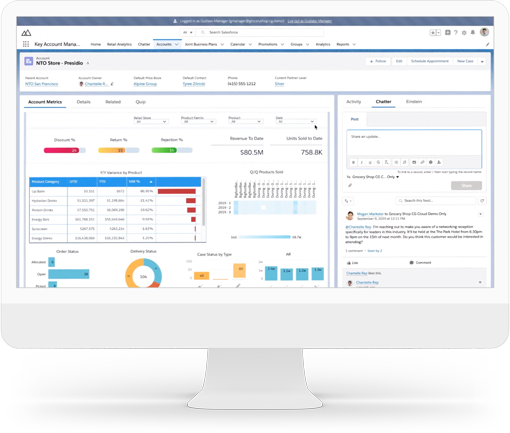
Salesforce: Lauded for its intuitive design and comprehensive features, Salesforce emerges as the top choice for real estate professionals. Its ability to manage contacts, track leads, and streamline communication is unmatched.
Pipedrive: Known for its ease of use in tracking leads and visualizing sales processes.
Zoho CRM: Offers a suite of tools for managing relationships with customers, prospects, and partners.
Monday Sales CRM: Ideal for self-employed professionals looking to streamline communication.
Zendesk Sell: A cloud-based solution focused on selling, perfect for real estate agents.
HubSpot: A free CRM solution that is perfect for small businesses looking to quickly find new leads.
Maximizer CRM: Great for automating daily tasks and improving efficiency.
Less Annoying CRM: A straightforward, no-frills option designed for simplicity and ease of use.
Oracle NetSuite: Provides a comprehensive suite of business applications with end-to-end sales automation capabilities.
Freshsales: An AI-powered system that helps prioritize leads and track activities.
Key Benefits of CRM Systems
The article highlights several benefits of adopting a CRM system in real estate:
Lead Scoring and Follow-Up Automation: CRM systems can prioritize leads and automate follow-up messages, ensuring no opportunity is missed.
Streamlined Sales Process: By automating routine tasks, agents can focus more on closing deals.
Enhanced Customer Service: CRMs provide insights into customer needs, allowing agents to offer personalized service.
Conclusion
In conclusion, the article from The Tech Report underscores Salesforce as the leading CRM for real estate in 2024, thanks to its powerful features and user-friendly interface. However, it also acknowledges other CRM systems that cater to different preferences and budgets, ensuring there’s a solution for every real estate professional.
For those ready to take their real estate business to the next level, exploring these CRM options is a step in the right direction. To read the full article, visit the original source here.
More Articles
Getting licensed or staying ahead in your career can be a journey—but it doesn’t have to be overwhelming. Grab your favorite coffee or tea, take a moment to relax, and browse through our articles. Whether you’re just starting out or renewing your expertise, we’ve got tips, insights, and advice to keep you moving forward. Here’s to your success—one sip and one step at a time!
Florida’s property insurance market is finally showing signs of recovery after years of soaring premiums, litigation chaos, and insurer withdrawals. With rate increases now the lowest in the nation, Citizens Insurance shrinking, and new carriers re‑entering the state, Insurance Commissioner Michael Yaworsky says the market is turning a corner. But while stabilization is underway, many homeowners are still asking why premiums haven’t dropped—and the answer lies in skyrocketing replacement costs, not rates. As reforms continue and AI, transparency rules, and mitigation incentives expand, real estate and insurance professionals should prepare for an evolving landscape that directly impacts affordability, buyer behavior, and long‑term market confidence.
In a candid conversation with Mortgage Professional America, NAMB president Kimber White lays out a series of structural reforms aimed at restoring homeownership access for millions of Americans. From revitalizing down payment assistance to rethinking loan-level price adjustments and incentivizing builders, White argues that meaningful affordability relief is achievable—but only through coordinated policy changes that address both costs and inventory shortages.
Artificial intelligence is rapidly transforming the insurance world, but a major power struggle is unfolding over who gets to regulate it. As insurers adopt AI at record speed, state regulators and the federal government are clashing over oversight authority—especially after a new executive order aims to put Washington in charge. With states pushing back and new evaluation tools on the horizon, the future of AI in insurance is becoming one of the biggest regulatory battles professionals need to watch.
A new CBRE Investor Intentions Survey shows that 2026 is shaping up to be a strong year for commercial real estate, with 95 percent of investors planning to buy more assets and over half increasing their capital allocation. Stabilizing pricing, improving market fundamentals, and expectations of cooling debt costs are driving renewed optimism as investors target high‑growth markets like Dallas, Atlanta, Tampa, and Charlotte, while doubling down on multifamily, industrial, and value‑add strategies.
Lofty has introduced Lofty AOS, the first agentic AI operating system built to autonomously manage real estate workflows—from lead engagement to marketing, transactions, and website creation. Unlike traditional AI that waits for prompts, Lofty’s system operates like a full digital workforce, coordinating tasks across specialized AI agents. As this technology transforms daily operations for agents and brokerages, professionals with strong training and licensing will become even more essential.
The Federal Reserve has started 2026 by keeping interest rates unchanged, despite political pressure, stubborn inflation, and a cooling job market. While consumers don’t pay the federal funds rate directly, its effects ripple through mortgages, credit cards, auto loans, and savings accounts. Mortgage affordability remains tight, credit card APRs are easing slowly, auto loan balances are climbing, and savings yields are one of the few bright spots. For real estate, mortgage, and finance professionals, understanding these shifts is essential as the market braces for another complex year.