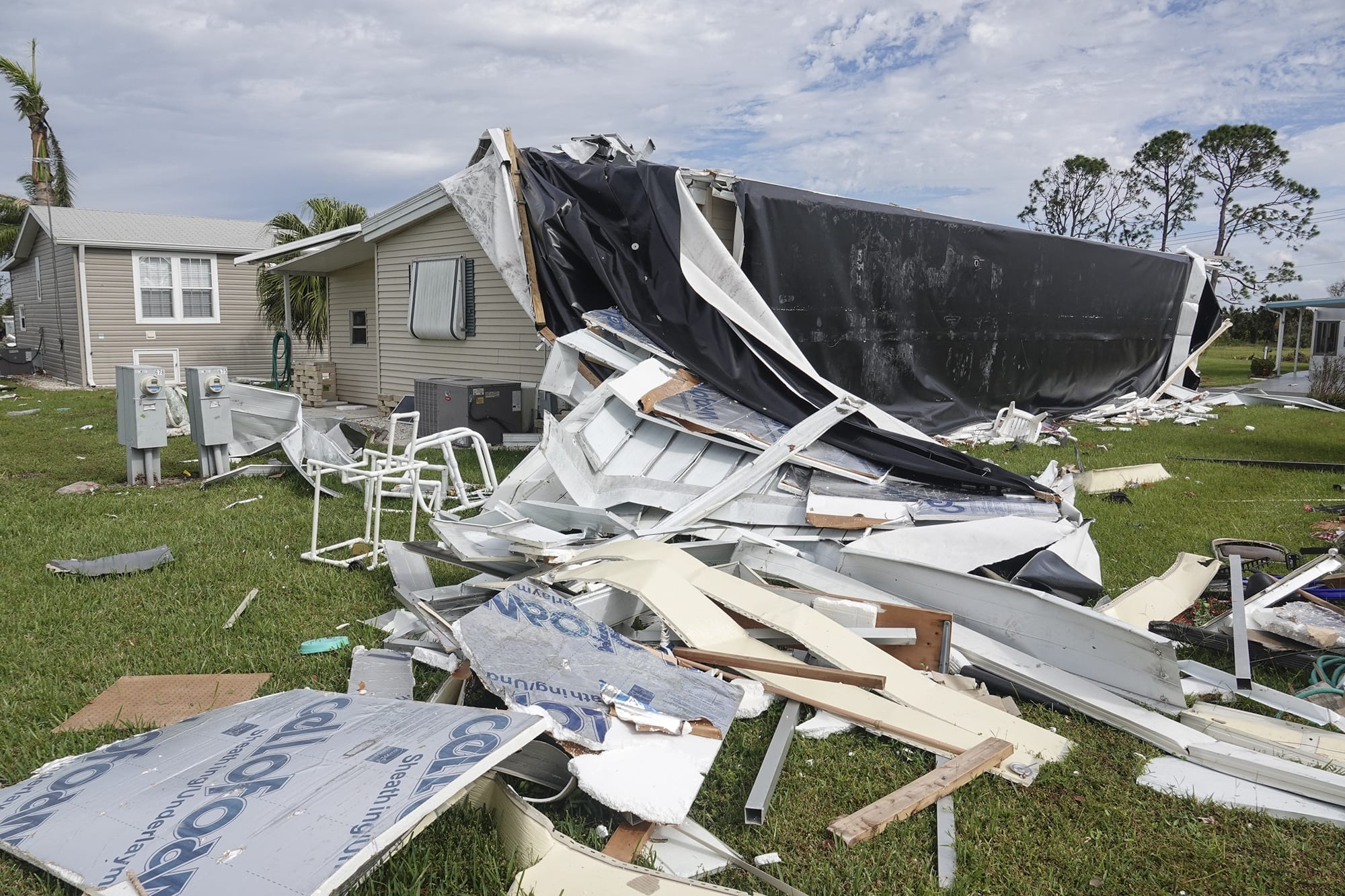
In the ever-evolving landscape of commercial real estate, a new challenge has emerged, straining the resilience of landlords and developers alike. As reported in The New York Times, the soaring costs of insurance, exacerbated by climate-induced natural disasters, are creating a formidable obstacle for property owners.
The Growing Burden
Post-pandemic vacancies and mounting debt payments have plagued the commercial real estate sector for over two years. Yet, even as these challenges begin to subside, landlords face a persistent threat: escalating insurance costs. This issue is not unfamiliar to homeowners across the nation. With the rise in climate-related disasters, insurance companies are either hiking rates or withdrawing from vulnerable markets altogether.
Particularly affected are coastal cities and towns, where the risk of storms and floods is high. However, insurers and banks are increasingly recognizing that no region is immune to extreme weather events.
Insurance Woes and Financial Strain
Recent hurricanes, such as Hurricane Helene and Hurricane Milton, have left insurers potentially liable for as much as $75 billion in damages. The repercussions are felt acutely by building owners, who find themselves caught between insurers and lenders. Lenders, wary of catastrophic losses, are reluctant to permit any adjustments to insurance policies, leaving struggling borrowers with little room to maneuver.
The situation is dire enough that some industry insiders report deals collapsing due to insurance costs. Mario Kilifarski, head of asset management at Fundamental Advisors, highlighted the pressure on developers and investors in an environment of rising interest rates and material costs. Insurance expenses, he noted, can tip the scales.
Insurance Premiums on the Rise
According to Marsh McLennan, an insurance brokerage, commercial property premiums increased by an average of 11 percent nationwide last year. In storm-prone areas like the Gulf Coast and California, premiums surged by as much as 50 percent. This year, some locations have seen premiums double.
For apartment buildings, insurance now constitutes 8 percent of operating expenses, double the figure from five years ago. Paul Fiorilla, director of research at Yardi Matrix, emphasized that while insurance remains a smaller expense relative to taxes and maintenance, it adds to the strain of stagnating rents and higher borrowing costs.
The Call for Flexibility
Kevin Kaseff, co-founder and managing partner of Titan Real Estate Investment Group, expressed frustration over the lack of support from lenders. Despite lenders’ keen interest in his insurance strategies, they show no willingness to offer assistance.
Seeking Solutions
Commercial property owners, like homeowners, must carry insurance if they have a mortgage. However, the requirements are often more stringent. Modifications to insurance coverage require lender approval, which can be nearly impossible if the loan is securitized and sold to Wall Street investors.
Danielle Lombardo from Willis Towers Watson noted that insurance pricing has halted deals and forced some into foreclosure. She pointed out that costs can escalate between the time financing is arranged and the deal’s closure.
Kaseff suggests that banks should allow owners to purchase insurance with higher deductibles or policies covering only the loan value, not the replacement cost of the building. However, banks remain cautious, fearing that inadequate coverage could destabilize the real estate market in the event of a disaster.
Looking Ahead
While the insurance dilemma is more of a headache than a catastrophe, data on loan delinquencies shows stress but not alarm. By exercising caution and shedding older loans, banks may have averted a crisis. Delinquencies have risen to 1.5 percent of all outstanding loans, far below the 10 percent during the 2008 financial crisis.
The commercial real estate slump has hit larger banks harder, particularly those with urban properties affected by pandemic-driven occupancy changes. However, a recent Federal Reserve interest rate cut offers a glimmer of hope for property owners.
The challenges of navigating insurance coverage have elevated its significance within the industry. Once a task for middle managers, it now commands the attention of senior executives. As the real estate sector grapples with these complexities, one thing is clear: the road ahead requires careful analysis and strategic planning.
More Articles
Getting licensed or staying ahead in your career can be a journey—but it doesn’t have to be overwhelming. Grab your favorite coffee or tea, take a moment to relax, and browse through our articles. Whether you’re just starting out or renewing your expertise, we’ve got tips, insights, and advice to keep you moving forward. Here’s to your success—one sip and one step at a time!
Investors worldwide are redeploying capital, embracing more active deal structures, and expanding into new regions as the 2026 market takes shape. Data centers, revived office demand, and global diversification are driving a major shift—creating fresh opportunities for real estate, mortgage, and finance professionals who understand where capital is heading next.
Florida homeowners now pay an average of $5,838 per year for insurance—about $3,000 more than the national average—pushing many families to the financial brink. Residents report premiums tripling, claims being severely underpaid, and insurers dropping policies at one of the highest rates in the country. As frustration mounts, lawmakers and industry experts are calling for sweeping reforms to curb rising costs, increase accountability, and stabilize a market that’s reshaping real estate decisions across the state.
Florida’s insurance market has hit a major turning point. Citizens Property Insurance—once the state’s largest insurer with 1.4 million policies—has shed more than 900,000 policies as private insurers return in force. Driven by Florida’s depopulation program and the arrival of 17 new companies, nearly 200,000 policies shifted to private carriers in October alone, with about 40 percent offering lower premiums. The shift signals rising competition, stabilizing rates, and new opportunities for homeowners and industry professionals navigating Florida’s evolving insurance landscape.
The National Association of REALTORS® has approved 18 major updates to modernize its MLS policies—the largest overhaul in two decades. Announced at NAR NXT in Houston and set to take effect in January 2026, the changes aim to streamline MLS operations, improve enforcement clarity, and better align policies with how today’s real estate professionals actually work.
Inhabit has rolled out a powerful lineup of AI-driven leasing, marketing, fraud prevention, and compliance tools designed to streamline operations and protect property teams from growing risks. From hybrid AI leasing assistants to instant income verification and upcoming portfolio-wide lease audits, these innovations aim to cut costs, eliminate inefficiencies, and strengthen regulatory confidence across the multifamily industry.
Florida’s latest round of insurance reforms was meant to calm a volatile market, yet many experts warn the same deep structural problems remain. Homeowners are being pushed from Citizens into higher‑priced, lightly capitalized private insurers, ratings agencies face scrutiny for inflated grades, and political influence clouds oversight. For real estate and insurance professionals, these trends signal ongoing risk, rising costs, and a market in need of a complete rebuild.