In recent years, there has been a noticeable shift in home buying trends, with a significant number of buyers opting for suburban living over the traditional choice of city centres. This transition is largely driven by affordability, improved infrastructure, evolving lifestyle preferences, and the rise of remote work. Let’s delve into the primary factors influencing this trend.

1. More Space at an Affordable Price

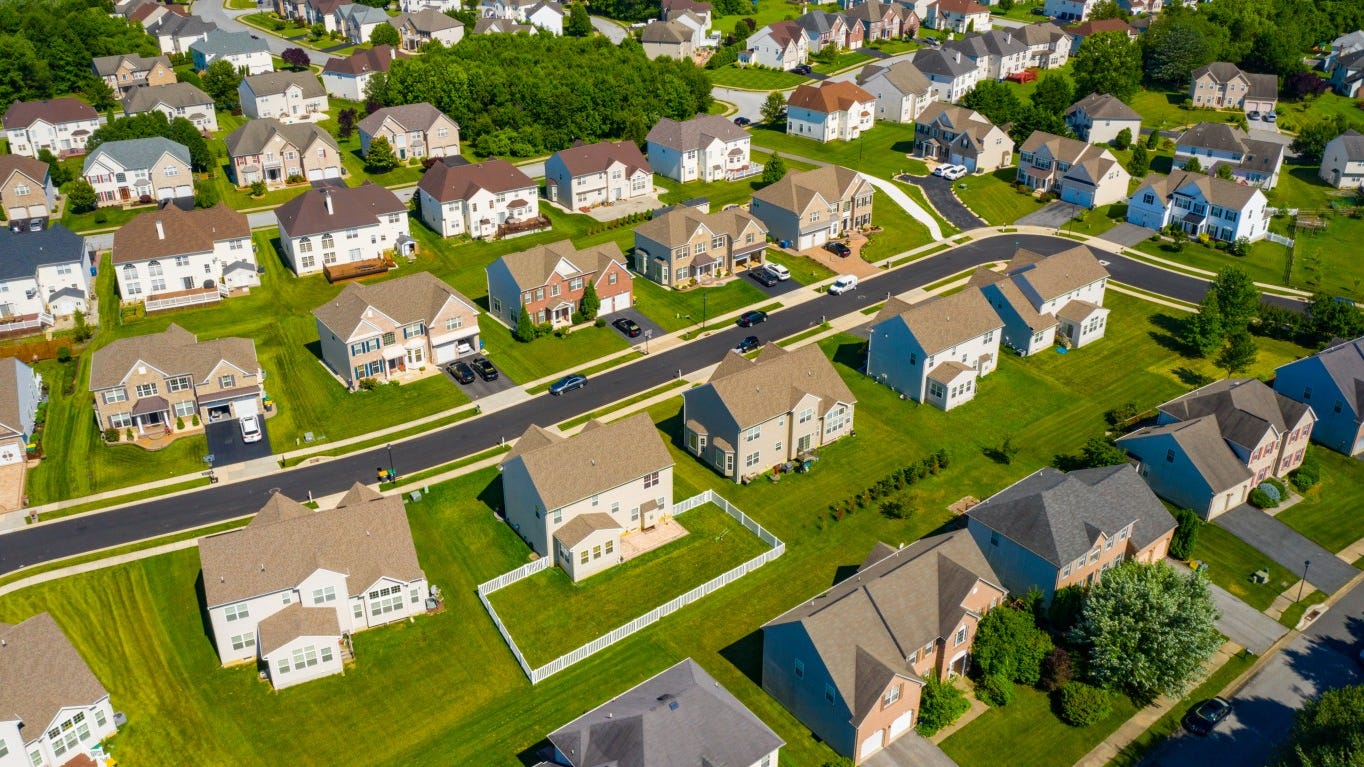
The steep property prices in metropolitan areas present a challenge to many prospective homeowners. On the contrary, suburban areas offer more spacious homes, often featuring gardens, balconies, and dedicated workspaces, at a comparatively lower cost. The post-pandemic era has heightened the need for comfortable living environments, rendering suburban homes particularly appealing to families and working professionals.

2. The Remote Work Revolution

As hybrid and remote work models become the norm, the need to live close to the office diminishes. Professionals now prefer residences in quieter, greener environments that support a balanced lifestyle. This preference has led to increased demand for suburban properties as individuals realise they no longer have to compromise on space to enjoy the convenience of city living.

3. Enhanced Quality of Life

Suburban areas generally offer a more relaxed and family-friendly atmosphere, with lower pollution levels, less traffic congestion, and ample green space. Quality schools, parks, and recreational facilities further enhance their appeal, making suburbs a desirable choice for families who value well-being and work-life balance.

4. Improved Infrastructure and Connectivity

Recent advancements in transportation infrastructure, such as metro extensions, expressways, and upgraded road networks, have effectively bridged the gap between urban hubs and suburban neighborhoods. Additionally, the availability of top-tier hospitals, shopping malls, and entertainment centers means suburban residents can access essential services without traveling far.

5. The Rise of Gated Communities and Smart Townships

Modern suburban developments go beyond spacious homes to offer world-class amenities. Gated communities now include security measures, clubhouses, pools, fitness centers, and vibrant social spaces, providing a comprehensive lifestyle solution within a well-planned ecosystem.

6. Lower Cost of Living

Besides real estate affordability, the overall cost of living in suburban regions is markedly lower compared to urban cores. Everyday expenses like groceries, dining, childcare, and entertainment are more budget-friendly, making suburban living an economically wise choice for many households.

7. Strong Investment Potential

As suburban regions continue to develop, the value of real estate in these areas rises. Investors recognise these regions as emerging hotspots, with property appreciation driven by infrastructure expansion and growing demand. For homebuyers, this signifies not just improved living conditions but also a smart financial investment.

Conclusion

The growing preference for suburban homes stems from evolving lifestyle needs, infrastructural developments, and economic considerations. As these areas continue to offer modern amenities with seamless urban connectivity, this trend is expected to accelerate. For today’s homebuyers, relocating to the suburbs is not solely about affordability; it’s about embracing a lifestyle prioritising space, comfort, and overall well-being.
Note: The author, Aksha Kamboj, is an executive chairperson of a conglomerate. The views expressed in this article are personal and do not constitute professional advice from Times Property.

More Articles

Getting licensed or staying ahead in your career can be a journey—but it doesn’t have to be overwhelming. Grab your favorite coffee or tea, take a moment to relax, and browse through our articles. Whether you’re just starting out or renewing your expertise, we’ve got tips, insights, and advice to keep you moving forward. Here’s to your success—one sip and one step at a time!

Florida’s Treasure Coast Kicks Off 2026 With a Wave of New Listings and Big Market Shifts

The Florida Treasure Coast started the new year with a surge of 1,905 new home listings—up 22 percent from last January—signaling one of the strongest inventory jumps in years. While Martin County saw its median home price drop by nearly $100,000, nearby St. Lucie and Indian River counties continued to rise, creating a uniquely mixed market. With sales climbing and inventory levels shifting toward a more buyer-friendly landscape, 2026 is shaping up to be an active and opportunity-rich year for both seasoned agents and those entering the real estate field.

Florida’s New Transparency Bill Could Reshape the Insurance Landscape

A unanimously passed House bill, HB 767, aims to require insurers to publicly disclose rate and premium data—giving Floridians long‑awaited clarity on rising costs. If approved by the Senate, the measure could significantly impact homeowners, real estate agents, mortgage professionals, and insurance specialists by increasing consumer trust and revealing how insurers calculate premiums.

U.S. Mortgage Rates Fall Below 6 Percent, Sparking New Energy in the Spring Housing Market

U.S. mortgage rates have dipped to 5.98 percent, breaking below the 6 percent mark for the first time since 2022 and giving the spring home-buying season a fresh boost. With rates falling for the third straight week and buyer interest rising, experts say this shift could encourage more market activity—though many homeowners with ultra‑low pandemic-era rates may still hesitate to sell.

AI and Real Estate Data: Who Is Making the Rules?

Artificial intelligence is rapidly transforming real estate, from listing creation to MLS infrastructure, forcing the industry to rethink how data is used, altered and protected. With AI tools making it easier than ever to modify photos, automate marketing and process sensitive documents, MLSs and state regulators are racing to establish new guardrails that ensure accuracy, privacy and consumer protection without slowing innovation.

AI for Real Estate Agents: How Smart Tools Help You Work Smarter, Close Faster, and Stay Ahead

Today’s real estate pros juggle nonstop client demands, constant marketing, and mountains of paperwork—but AI is stepping in as the ultimate assistant. From instant lead responses and personalized follow-up messages to predictive pricing tools and automated transaction support, agents are using AI to save hours, boost production, and stay competitive. The future of real estate belongs to professionals who combine their human touch with smart technology, and the shift is already happening.

Supreme Court Tariff Ruling Reshapes Global Trade and Surprises Markets

A landmark US Supreme Court decision striking down the use of emergency powers to impose broad tariffs has upended global trade expectations, lifted equity markets, and sent businesses scrambling to understand what comes next. While GDP slowed and inflation rose, markets reacted positively as the ruling removed a major source of uncertainty for importers, exporters, and investors. With the old tariff framework dismantled and new targeted measures on the horizon, industries from real estate to finance are bracing for shifting economic conditions that could influence everything from consumer spending to investment strategy.