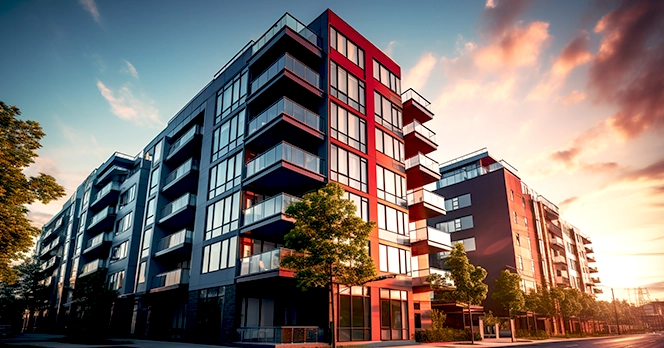
In recent years, there has been a noticeable shift in home buying trends, with a significant number of buyers opting for suburban living over the traditional choice of city centres. This transition is largely driven by affordability, improved infrastructure, evolving lifestyle preferences, and the rise of remote work. Let’s delve into the primary factors influencing this trend.

1. More Space at an Affordable Price

The steep property prices in metropolitan areas present a challenge to many prospective homeowners. On the contrary, suburban areas offer more spacious homes, often featuring gardens, balconies, and dedicated workspaces, at a comparatively lower cost. The post-pandemic era has heightened the need for comfortable living environments, rendering suburban homes particularly appealing to families and working professionals.

2. The Remote Work Revolution

As hybrid and remote work models become the norm, the need to live close to the office diminishes. Professionals now prefer residences in quieter, greener environments that support a balanced lifestyle. This preference has led to increased demand for suburban properties as individuals realise they no longer have to compromise on space to enjoy the convenience of city living.

3. Enhanced Quality of Life

Suburban areas generally offer a more relaxed and family-friendly atmosphere, with lower pollution levels, less traffic congestion, and ample green space. Quality schools, parks, and recreational facilities further enhance their appeal, making suburbs a desirable choice for families who value well-being and work-life balance.

4. Improved Infrastructure and Connectivity

Recent advancements in transportation infrastructure, such as metro extensions, expressways, and upgraded road networks, have effectively bridged the gap between urban hubs and suburban neighborhoods. Additionally, the availability of top-tier hospitals, shopping malls, and entertainment centers means suburban residents can access essential services without traveling far.

5. The Rise of Gated Communities and Smart Townships

Modern suburban developments go beyond spacious homes to offer world-class amenities. Gated communities now include security measures, clubhouses, pools, fitness centers, and vibrant social spaces, providing a comprehensive lifestyle solution within a well-planned ecosystem.

6. Lower Cost of Living

Besides real estate affordability, the overall cost of living in suburban regions is markedly lower compared to urban cores. Everyday expenses like groceries, dining, childcare, and entertainment are more budget-friendly, making suburban living an economically wise choice for many households.

7. Strong Investment Potential

As suburban regions continue to develop, the value of real estate in these areas rises. Investors recognise these regions as emerging hotspots, with property appreciation driven by infrastructure expansion and growing demand. For homebuyers, this signifies not just improved living conditions but also a smart financial investment.

Conclusion

The growing preference for suburban homes stems from evolving lifestyle needs, infrastructural developments, and economic considerations. As these areas continue to offer modern amenities with seamless urban connectivity, this trend is expected to accelerate. For today’s homebuyers, relocating to the suburbs is not solely about affordability; it’s about embracing a lifestyle prioritising space, comfort, and overall well-being.
Note: The author, Aksha Kamboj, is an executive chairperson of a conglomerate. The views expressed in this article are personal and do not constitute professional advice from Times Property.

More Articles

Getting licensed or staying ahead in your career can be a journey—but it doesn’t have to be overwhelming. Grab your favorite coffee or tea, take a moment to relax, and browse through our articles. Whether you’re just starting out or renewing your expertise, we’ve got tips, insights, and advice to keep you moving forward. Here’s to your success—one sip and one step at a time!

“Moving Past 2024’s Multifamily Real Estate Decline: A Comprehensive Guide for Investors”

Data from 2023 forecasts a potential "Multifamily Real Estate Decline 2024" due to rising cap rates and slowed NOI. However, resources from Cameron Academy help real estate professionals navigate "Investment Risks in Multifamily Properties" through real-time, accurate insights.

Explore Cash Borrowing Alternatives: Discover DSCR Loans’ Competitive Edge

Investing in real estate can be rewarding but finding the right financing can be challenging. One popular option is the BRRRR (Buy, Rehab, Rent, Refinance, Repeat) method, which involves purchasing distressed properties, renovating them, renting them out, and then refinancing to repeat the process. Traditional banks, private money lenders, portfolio lenders, and online lending platforms are all potential sources for BRRRR loans. Another financing option to consider is the DSCR (Debt Service Coverage Ratio) loan, which assesses the property's cash flow rather than just the borrower's income. DSCR loans are commonly used in commercial real estate investments and offer advantages like better cash flow assessment and flexibility for investors. However, they also come with drawbacks such as higher interest rates and stricter qualification requirements. Choosing the right financing option depends on investment strategy, financial considerations, qualification requirements, risk profile, and expert advice. By understanding the available options and considering individual circumstances, investors can select the financing option that aligns with their goals.

Potential Multifamily Real Estate Crash: Implications for Savvy Investors

In this blog excerpt, we discuss the forecast for catastrophic declines in the multifamily market by the end of 2024. Factors such as market saturation, economic uncertainty, and changing lifestyle preferences among renters contribute to this forecast. Potential risks for investors include oversupply, economic volatility, and shifts in tenant demand. Thorough research, analysis, and seeking advice from professionals are crucial for navigating the multifamily market. Being knowledgeable and making informed decisions are key to successful investments in real estate. To get started in the industry, visit CameronAcademy.com for licensing in Real Estate, Mortgage, Insurance, or Finance.

By |August 10, 2023|Categories: Real Estate News|Tags: , , , , |0 Comments

Which mortgage is right for you: fixed or adjustable rate?

In the world of mortgages, the debate between fixed rate and adjustable rate mortgages (FRM and ARM) rages on. FRMs provide consistency and protection against rising rates, while ARMs offer lower initial rates and flexibility. When choosing between the two, factors such as financial goals, economic conditions, time horizon, and risk tolerance must be considered. Ultimately, homeowners must weigh the pros and cons and seek professional advice before making a decision. After all, the right mortgage choice can have a lasting impact on one's financial well-being.

By |August 10, 2023|Categories: Article, Real Estate News|Tags: , , , , |0 Comments

House Hunting? Overcoming Obstacles to Find Your Dream Home

Navigating the complexities of the current housing market can be a daunting task for buyers and sellers alike. Affordability concerns, limited inventory, credit tightening, rising interest rates, and firming home prices are all factors contributing to the challenges in today's market. However, by conducting thorough research, partnering with knowledgeable real estate agents, planning for your budget and mortgage, seeking out alternative financing options, and being patient and flexible, you can overcome these obstacles. With perseverance, informed decision-making, and adaptability, success in real estate transactions can be achieved in any market environment.