Surviving the Storm: Navigating Insurance and FEMA After Hurricane Helene
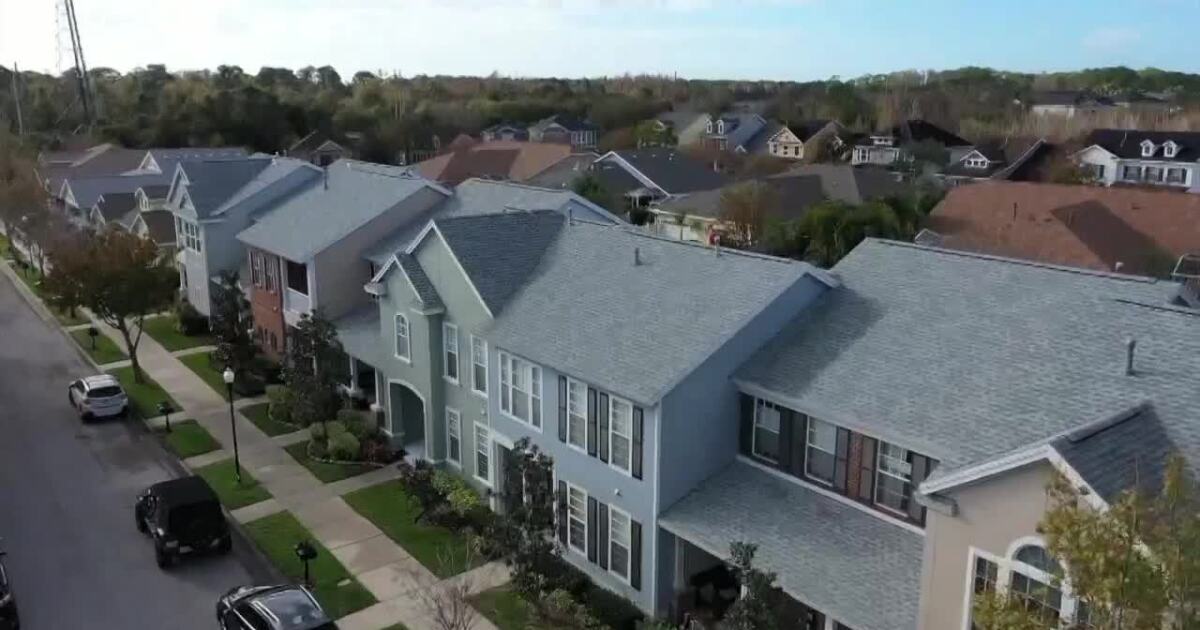
In the aftermath of Hurricane Helene, homeowners in North Carolina face the daunting challenge of securing compensation from insurance companies and the federal government. As reported by Christopher Flavelle and Emily Flitter of The New York Times, the process can be both infuriating and baffling, yet it is essential for recovery.
The key to overcoming these obstacles lies in meticulous documentation and understanding of insurance policies. As homeowners grapple with the aftermath, experts emphasize the importance of photographing damage and keeping detailed records of all interactions with insurers and government agencies.
Insurance Challenges
Many insurers are increasingly dropping customers who file claims, making it crucial for policyholders to understand their coverage specifics. With disaster-related deductibles often ranging from $1,000 to $5,000, homeowners must weigh the potential risks of filing claims for minor damages.
Flood damage presents another layer of complexity. Most standard home insurance policies do not cover flood damage, and distinguishing between flood and other types of damage is essential. According to Douglas Heller of the Consumer Federation of America, many homes in North Carolina suffered from landslides or mudflows, which may not be covered without specialized flood insurance.
Seeking Professional Help
When disputes arise, public adjusters and legal aid can be invaluable. Public adjusters negotiate with insurers to secure larger settlements, while legal assistance may be necessary if disputes remain unresolved. Chip Merlin, a Tampa-based lawyer, advises consulting legal professionals, especially for substantial claims.
FEMA Assistance
For those without adequate insurance, FEMA’s Individual Assistance program offers a lifeline. The program provides emergency housing assistance and other forms of aid. However, as highlighted by Reese May of SBP, appealing FEMA’s decisions can significantly increase the amount of assistance received.
For more information on FEMA housing assistance, visit their official website.
Community and Government Aid
In addition to insurance and FEMA, survivors can explore other avenues for assistance. Low-interest loans from the U.S. Small Business Administration, crowdfunding campaigns, and charitable organizations provide vital support. In cases of major disasters, Congress may authorize additional funding through the U.S. Department of Housing and Urban Development.
As the journey to recovery continues, the resilience and persistence of affected communities remain crucial. By staying informed and proactive, homeowners can navigate the complexities of post-disaster recovery with greater confidence and assurance.
More Articles
Getting licensed or staying ahead in your career can be a journey—but it doesn’t have to be overwhelming. Grab your favorite coffee or tea, take a moment to relax, and browse through our articles. Whether you’re just starting out or renewing your expertise, we’ve got tips, insights, and advice to keep you moving forward. Here’s to your success—one sip and one step at a time!
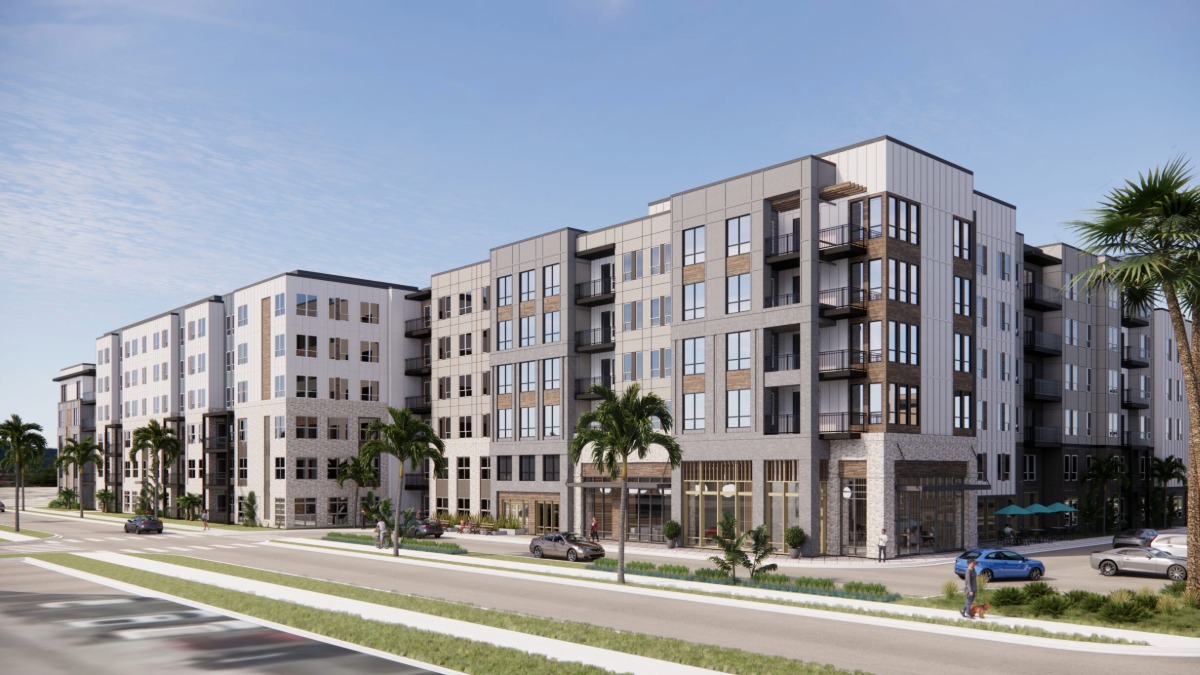
Landmark Properties has officially begun construction on The Mark Tampa, a six‑story luxury student community featuring over 800 beds, rooftop amenities, study spaces, retail, and modern unit layouts. Set to open before the 2027–2028 school year, the project signals strong investor confidence in North Tampa’s booming student housing market.
Florida’s property and auto insurance crisis is intensifying, setting the stage for a major political showdown ahead of the 2026 elections. Republicans argue recent reforms are finally stabilizing the market, while Democrats insist families are being crushed by soaring premiums and can’t wait for relief. With homeowners, condo associations, and insurers all feeling the pressure, lawmakers are preparing for one of the most consequential legislative battles in years.
Markets are betting heavily on a Federal Reserve rate cut in December, but that doesn’t guarantee lower mortgage rates. Even with an 85% chance of a cut priced in, mortgage rates move more with the 10‑year Treasury than the Fed itself — and recent history shows rates can rise even when the Fed eases. Today’s 6.43% average rate is the lowest in over a year, but still unpredictable, making financial readiness more important than trying to time the market.
Grand Junction is experiencing a powerful commercial real estate upswing, with 151 commercial units closed so far in 2025—a 36% jump from last year. Building permits are also up 23%, signaling expanding development momentum. Brokers say interest from national chains is accelerating the city’s evolution, bringing jobs, investment, and long‑term economic potential to Colorado’s Western Slope.
Nashville continues its rise as one of the nation’s most attractive real estate markets, landing the #6 spot in the Emerging Trends in Real Estate 2026 report from PwC and ULI. With strong demographic momentum, business expansion, and a development pipeline drawing national eyes, the city stands out amid shifting economic conditions. The report highlights fast‑growing sectors such as data centers, senior housing, and evolving office dynamics—offering real estate professionals valuable insight into where opportunities are emerging next.
Canada’s commercial real estate sector continues to evolve rapidly, with new data revealing major transactions, shifting investment patterns, and emerging economic signals across the country. From resilient retail spending to cooling construction and regional standouts like Montreal and the Prairies, this week’s CRE pulse—powered by Altus Group’s research team—gives real estate, mortgage, and finance professionals a sharp snapshot of the market forces to watch as 2025 winds down.