Sutter Health’s Innovative Approach to Sepsis Management

Sutter Health is pioneering a transformative approach in critical care by introducing the FloPatch, a novel wearable device aimed at enhancing clinical decision-making. This initiative focuses on improving sepsis management within intensive care units (ICUs), leveraging real-time data to support critical treatment decisions. Wearable technology in healthcare Sepsis, a severe condition marked by an extreme response to infection, affects approximately 1.7 million American adults each year, often resulting in significant mortality. Sutter Health’s deployment of the FloPatch device aims to refine fluid management protocols, which are crucial for precise sepsis treatment.

The Role of Advanced Technology in Sepsis Management

The potential of advanced technologies in reducing sepsis risks is well-documented. For instance, a study revealed that implementing AI models in emergency departments significantly reduced sepsis mortality rates. Sutter Health anticipates similar improvements with the FloPatch, scheduled to go live on September 9, 2024, in selected medical centers. The FloPatch focuses on left-sided heart functions by assessing carotid artery blood flow, providing clinicians with critical data to evaluate stroke volume and fluid responsiveness. By replacing indirect surrogate methods, the device aims to minimize the risks associated with fluid overload or inadequate resuscitation.

Expert Insights and Expectations

Dr. Kristina Kury, medical director of critical care at Sutter’s Eden Medical Center, underscores the device’s potential to revolutionize sepsis management. She emphasizes the importance of accurate blood circulation assessment in preventing tissue damage and cell death. The device’s deployment extends beyond ICUs to emergency and trauma units, where rapid fluid resuscitation decisions are vital. Despite the initial resistance that often accompanies new healthcare technologies, the response from frontline clinicians has been overwhelmingly positive. Sutter Health’s proactive approach included engaging bedside nurses through a feedback-driven process to ensure buy-in and address usability concerns effectively.

Monitoring and Future Prospects

As the launch approaches, Sutter Health will monitor various metrics to evaluate the FloPatch’s efficacy in reducing sepsis-related complications. A successful outcome could decrease sepsis mortality and reduce the need for interventions like intubation or dialysis, ultimately shortening hospital stays and improving patients’ quality of life post-recovery. In summary, Sutter Health’s integration of the FloPatch device represents a critical leap forward in sepsis management, blending cutting-edge wearable technology with traditional healthcare expertise to ensure better, data-driven patient outcomes.

More Articles

Getting licensed or staying ahead in your career can be a journey—but it doesn’t have to be overwhelming. Grab your favorite coffee or tea, take a moment to relax, and browse through our articles. Whether you’re just starting out or renewing your expertise, we’ve got tips, insights, and advice to keep you moving forward. Here’s to your success—one sip and one step at a time!

Is Florida’s Booming Real Estate Market Becoming Unaffordable?

Florida is facing a real estate crisis marked by skyrocketing insurance premiums, stringent FEMA rules, and a surge in hedge fund property acquisitions.

By |November 14, 2024|Categories: Article, Finance/Economy, Real Estate|Tags: , |0 Comments

Revolutionizing Cancer Therapy: The Promise of Patient-Derived Organoids

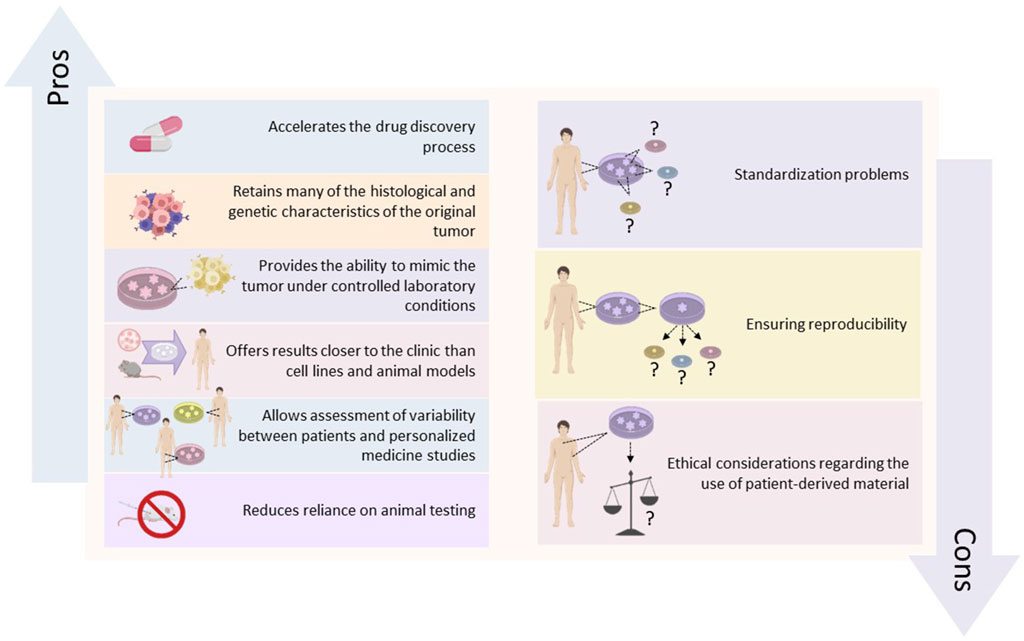
Patient-derived organoids offer an unprecedented opportunity to replicate the complex structure and genetic makeup of cancers, providing a more accurate model for clinical drug screening and pharmacognostic assessment.

The AI Revolution in Dermatology: A Systematic Review

In a groundbreaking study published in Nature, researchers have delved into the burgeoning field of artificial intelligence (AI) in dermatology, specifically examining its role in diagnosing skin cancer. The study, titled "A Systematic Review and Meta-Analysis of Artificial Intelligence Versus Clinicians for Skin Cancer Diagnosis," offers a comprehensive look at how AI stacks up against human clinicians in this critical area of healthcare.

By |November 14, 2024|Categories: AI in Healthcare, Article, Dermatology|Tags: , |0 Comments

The Fast Lane to Fully Autonomous Vehicles: Industry Innovations and Future Prospects

The automotive world is abuzz with announcements from major players like Tesla, Rimac, Renault, and Nissan, each unveiling plans to introduce autonomous vehicles in the near future. Tesla's much-anticipated "CyberCab" is set for an October 2024 debut, while Rimac and Renault are gearing up for releases in 2026.

Futureproofing for Insurers: The Role of AI and Hyper-Personalization

In a rapidly evolving industry, insurance companies are turning to artificial intelligence (AI) and hyper-personalization to stay ahead of the curve.

Revolutionizing Healthcare: The Power and Potential of AI

AI technology offers a multitude of benefits, from enhancing patient outcomes to reducing healthcare costs and improving population health. Its application ranges from preventive screenings to complex diagnostic procedures, marking a new era in medical care.

By |November 13, 2024|Categories: Article, Artificial Intelligence, Healthcare|Tags: , |0 Comments