Amidst the growing housing affordability crisis in the United States, a new proposal seeks to tackle the issue head-on by reforming local land use regulations. The Center for American Progress highlights the need to overhaul outdated zoning laws that have historically restricted housing supply, exacerbating the crisis.
Understanding the Crisis
According to recent data, nearly half of all rental households in America are cost-burdened, spending over 30% of their income on rent. This financial strain is even more pronounced in areas with strong employment growth, where housing costs are highest. The paradox is clear: regions with the most economic opportunities present the greatest barriers to affordable housing.
The Role of Local Zoning
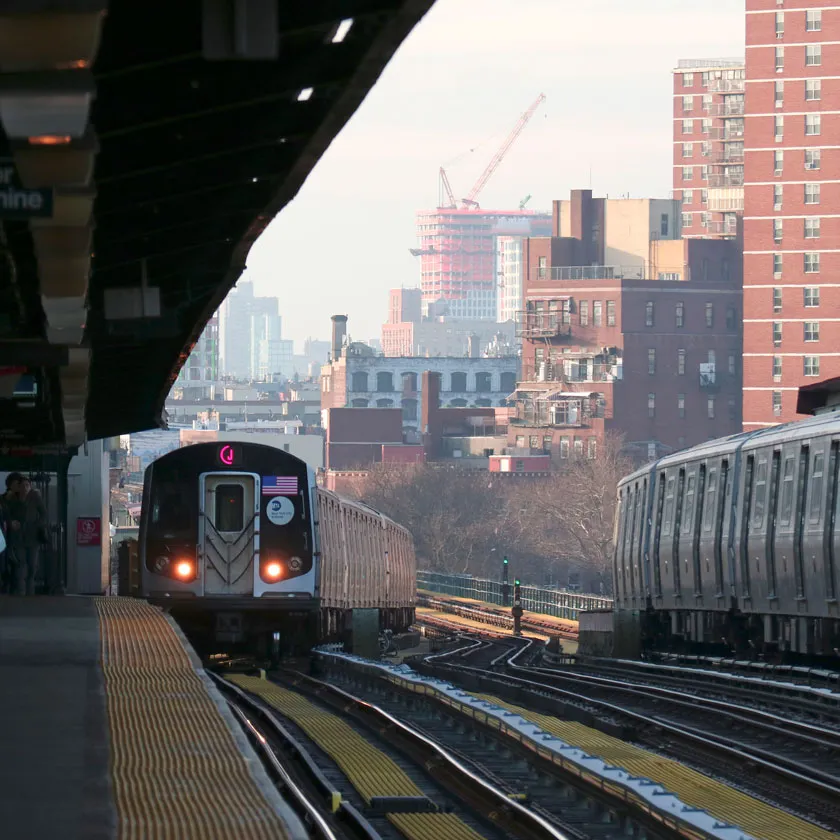
A significant contributor to the housing crisis is local zoning ordinances that limit the construction of new housing, particularly affordable options. Reforming these regulations is crucial to easing the housing cost burden. Possible reforms include allowing taller apartment buildings along transit corridors and reducing parking requirements.
However, reforming zoning is not a standalone solution. It must be complemented by federal, state, and local programs that fund low-income housing projects. The federal government could play a pivotal role by incentivizing local jurisdictions to undertake substantial zoning reforms through a proposed Building Opportunity program.
Incentivizing Change
The Building Opportunity program, as proposed, would offer flexible funding to local governments that commit to significant zoning reforms. This initiative builds on the Biden-Harris administration’s 2022 Housing Supply Action Plan and HUD’s Pathways to Removing Obstacles to Housing (PRO Housing) program.
The theory is that local political opposition, not technical planning capacity, is the primary barrier to zoning reform. By offering substantial federal funding in exchange for zoning changes, local governments could be motivated to break the political logjam and embrace more inclusive growth.
Grassroots Reform Efforts
Some cities have already started to amend their zoning codes to permit more diverse housing options. For instance, Minneapolis eliminated single-family zoning citywide, allowing for the construction of triplexes. Similarly, the state of Florida passed the Live Local Act, which preempts certain local zoning laws to encourage multifamily housing development.
These efforts, while promising, need to be scaled up nationwide. The proposed federal incentives could serve as a catalyst for widespread reform, allowing market forces to play a larger role in meeting housing needs.
Conclusion
Reforming local land use regulations is a critical step in addressing the housing crisis in America. While more permissive zoning will not solve the issue overnight, it is a necessary move towards allowing private developers to contribute to the housing supply. The federal government’s role in incentivizing these changes could be the key to unlocking new housing opportunities across the nation.
More Articles
Getting licensed or staying ahead in your career can be a journey—but it doesn’t have to be overwhelming. Grab your favorite coffee or tea, take a moment to relax, and browse through our articles. Whether you’re just starting out or renewing your expertise, we’ve got tips, insights, and advice to keep you moving forward. Here’s to your success—one sip and one step at a time!
In an unexpected twist of economic fate, the construction industry finds itself grappling with a steep ascent in building material costs, a trend that began its climb at the dawn of 2024.
In the ever-evolving landscape of commercial real estate, a new challenge has emerged, straining the resilience of landlords and developers alike. The soaring costs of insurance, exacerbated by climate-induced natural disasters, are creating a formidable obstacle for property owners. Particularly affected are coastal cities and towns, where the risk of storms and floods is high.
The Bay Area housing market, a perpetual reflection of its economic vigor and cultural appeal, is navigating a complex terrain as it marches into 2024.
In a significant cyberattack that has disrupted operations across the United States, CDK Global, a leading provider of cloud-based software to automotive dealerships, was forced to shut down most of its systems. This incident has highlighted the vulnerabilities and rising trend of cyberattacks targeting the auto industry.
The commercial real estate landscape has experienced seismic shifts, particularly with properties purchased prior to the Covid-19 pandemic. Many of these assets now hold diminished value compared to the loans used to acquire them.