Talking to Your Photos: How Chat‑Based AI Is Quietly Rewriting Real Estate Marketing
Real estate professionals know the truth better than anyone: photos can make or break a listing. A beautifully lit, decluttered, well‑staged unit can generate a flood of inquiries in hours. A poorly presented one? It can sit untouched for weeks, even when it is objectively a great space. But now—thanks to a new wave of chat‑based AI technology—agents and property managers can transform listing photos simply by describing what they want changed.
This emerging capability, recently highlighted by Propmodo (source linked below), is speeding up how fast listings hit the market and dramatically elevating the first impressions that potential renters or buyers experience.
Type a Request, Transform a Room
Platforms like Bounti.ai allow real estate professionals to brighten kitchens, remove clutter, repaint walls, rearrange furniture, or even fully stage a room using nothing more than a natural‑language prompt. No complicated software. No experience required. Just a conversation with the AI.
“We all have an anchoring bias,” explains Brian Mitchell, VP of Business Operations and Strategy at Bounti.ai. “My brain tells me that I don’t like a property based on the photos even if we know that the ugly furniture will be gone or the unit will be repainted.”
For years, that bias quietly killed deals before renters or buyers even reached the description. Chat‑based AI flips the script by helping listings shine instantly—long before touch‑ups or move‑outs happen.
Why Property Managers Are Embracing It
Traditional staging has long been common in home sales, but in the rental world? “Property managers laugh when they hear the word staging,” Mitchell notes. The cost, timing, and constant unit turnover make it unrealistic.
With chat‑driven AI, property managers can:
• Create polished, move‑in‑ready images in minutes
• Maintain consistent marketing across large property portfolios
• Avoid delays caused by cleaning, painting, and tenant transitions
• Increase conversions by showing renters a clear, appealing vision of the space
The result is simple: listings go live faster, and engagement climbs higher.
Turning Browsers Into Participants
Some companies are pushing things even further by letting renters edit the photos themselves. Mitchell notes that groups like TCS Management allow prospects to experiment with layouts, furniture, or wall colors directly on the listing page.
This transforms a static listing into an interactive design studio—inviting renters to visualize the space as their own before ever stepping through the door.
Higher engagement. Stronger emotional connection. More signed leases.
Keeping Things Ethical and Transparent
With great editing power comes an even greater need for transparency. Real estate professionals must never alter structural features or misrepresent a property. Bounti.ai helps maintain ethics with automatic “edited” labels and a slider revealing before‑and‑after images.
This ensures enhancements help prospects understand a property’s potential—without misleading anyone.
AI Isn’t Replacing Agents—It’s Empowering Them
Despite common fears, AI isn’t replacing real estate agents. It’s simply amplifying their capabilities. Chat‑based editing helps agents work faster, communicate more clearly, and remove temporary distractions that obscure a property’s true value.
And for anyone entering real estate today—especially through Cameron Academy’s Florida real estate programs—learning how AI shapes modern listing strategies is becoming a must‑have professional skill.
Explore the Original Story
For deeper insights into this growing technology, visit the full Propmodo article below:
Getting licensed or staying ahead in your career can be a journey—but it doesn’t have to be overwhelming. Grab your favorite coffee or tea, take a moment to relax, and browse through our articles. Whether you’re just starting out or renewing your expertise, we’ve got tips, insights, and advice to keep you moving forward. Here’s to your success—one sip and one step at a time!
A growing share of American homeowners now carry mortgage rates above 5%—a dramatic shift that’s reshaping refinancing, inventory, and buyer behavior nationwide. With more than 30% of borrowers locked into rates over 5% and 20% above 6%, the market is split between owners holding on to low pandemic‑era loans and new buyers taking on higher‑rate mortgages. Federal efforts to push rates down could unlock millions of refinancing opportunities, while buyers see only modest monthly savings. For real estate professionals, understanding these rate dynamics is crucial as they increasingly drive inventory levels, affordability, and market activity.
New Moody’s data shows commercial real estate deal volume slipped 20% in December, marking a second monthly decline. Yet the full year tells a different story: 2025 ended with a 17% gain, signaling a quiet but resilient recovery. The biggest surprise came from the office sector, which posted a 21% jump in activity as return‑to‑office trends and AI‑driven job growth boosted demand. Multifamily, retail, and alternative assets like data centers also saw strong momentum, giving real estate professionals a market full of fresh opportunities heading into 2026.
Florida drivers and industry professionals are heading into 2026 with good news: auto insurance rates are dropping across the state as the market shows strong signs of stabilization. USAA leads the latest wave with a 7% average rate decrease expected in May 2026, saving members more than $125 million annually. They join several major insurers — including State Farm, Progressive, AAA, Allstate, and Florida Farm Bureau — all approving significant reductions. Officials credit recent legislative reforms, especially tort reform, for the improved loss ratios and renewed insurer confidence. With both auto and home insurance markets strengthening, Florida’s real estate, mortgage, and insurance professionals can expect more consumer confidence, smoother transactions, and expanding career opportunities.
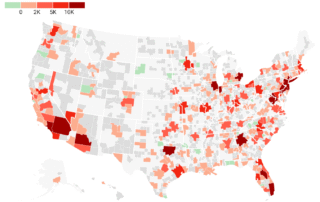
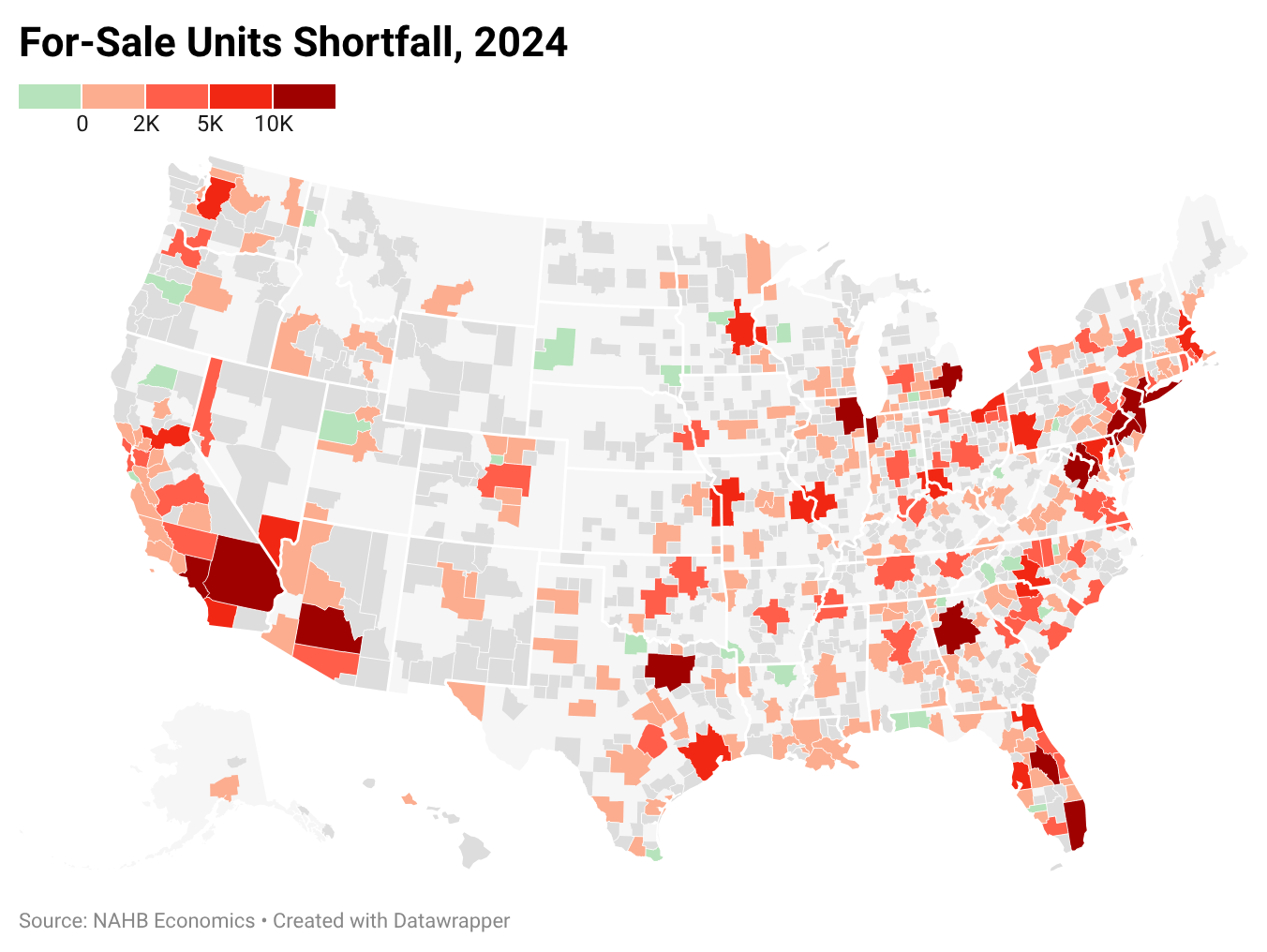
New data from Eye On Housing and the NAHB shows the U.S. remains short more than 1.2 million housing units, keeping pressure on both rents and home prices. Record‑low vacancy rates, slow single‑family construction, and restrictive zoning continue to fuel intense competition in 2024. Major metros like Chicago, New York, and Atlanta face some of the deepest deficits, and the true nationwide shortfall may be even higher when accounting for overcrowding and aging homes. For real estate professionals, the ongoing shortage means sustained demand, tighter inventory, and major opportunities for those who understand the evolving market.
Top real estate coach Jason Pantana says the divide between agents today isn’t about who has “tried” AI — it’s about who is immersed in it. In a new HousingWire interview, he explains why AI isn’t a gimmick but a full business system that amplifies output, improves authenticity, and reshapes how clients search for agents. From prompt mastery to AI‑driven visibility on Google, Pantana reveals how agents who commit even 15 minutes a day to learning AI are already outperforming those who hesitate.
Dallas–Fort Worth’s commercial real estate market closed 2025 with a split personality. Industrial dominated with massive new deliveries and soaring leasing demand, retail held steady with some of the market’s strongest fundamentals in years, and office continued to falter under remote‑work pressures. High vacancies, weak absorption, and rising demand for top‑tier space show the sector’s ongoing reset. Meanwhile, industrial and retail strength position the Metroplex for another powerhouse year heading into 2026.