Tampa Bay’s Office Market Closes 2025 with Power Moves and Rising Demand
If you’ve been wondering whether the Tampa Bay office market still has momentum after the last few years of national uncertainty, JLL’s newest Q4 2025 analysis has a clear answer: absolutely. Tampa Bay just wrapped its strongest performance since before the pandemic, marking one of the most impressive post‑recovery surges in the country.
The report — published by global real estate leader JLL and highlighted by the St. Pete Catalyst — reveals a powerful combination of rising demand, shrinking inventory, and firming rents. While many U.S. cities continue battling stubborn vacancies, Tampa Bay appears to be accelerating.
Record Absorption, Falling Vacancy & a Tightening Market
The headline number is stunning: Tampa Bay recorded 600,400 square feet of positive net absorption in 2025 — the highest total since 2016. This pushed the overall vacancy rate down 130 basis points to 15.7%.
Momentum snowballed throughout the year, with more than 150,000 square feet absorbed in each of the final three quarters. This performance places Tampa Bay among the top U.S. office markets for year‑end absorption.
The Plot Twist: Inventory Is Shrinking
Even though developers delivered 176,400 square feet of new office product, the region’s total inventory actually declined by more than 750,000 square feet in 2025. Older buildings were demolished or converted, tightening the pipeline and boosting competition for modern space.
By year’s end, total available space had dipped below 8.6 million square feet, reflecting a significant year‑over‑year contraction.
Big Leases Set the Stage for 2026
Two major commitments dominated headlines: Fisher Investments leased 322,000 square feet at Renaissance Office Park, while GEICO claimed 189,000 square feet at Corporate Oaks Office Park.
Neither tenant has fully occupied their space yet — meaning early 2026 could show even stronger absorption numbers.
Flight to Quality Reshapes the Region
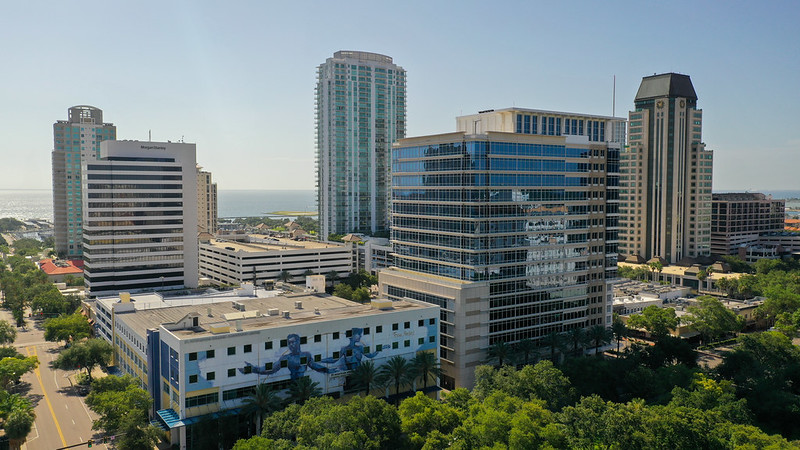
Across Tampa CBD, Westshore, and downtown St. Pete, tenants continue gravitating toward modern, amenity‑rich offices. Trophy and Class A vacancy fell to 14.7% — the strongest since 2022 — with six of seven submarkets posting year‑over‑year improvements.
Absorption in top‑tier buildings reached roughly 368,000 square feet, driving vacancy down to just 12.9%. Rents followed, rising 7.1% to an average of $45.46 per square foot.
What It Means for Tenants, Investors & Professionals
Tenants are increasingly willing to pay premium rates for newer buildings, better amenities, and stronger locations. With downtown St. Pete offering limited inventory, competition is expected to sharpen.
For investors and landlords, rising rents and shrinking supply signal a long‑awaited swing toward leverage.
Looking Ahead: Rising Confidence in 2026
JLL’s outlook for 2026 is cautiously optimistic. With economic diversity, strong employers, and limited new construction, Tampa Bay’s office market seems poised for continued strength — and potentially higher rents.
Put simply, Tampa Bay isn’t just recovering — it’s redefining its trajectory.
If this momentum inspires you to elevate your real estate career, consider sharpening your skills with Cameron Academy — Florida’s trusted hub for professional licensing education.
More Articles
Getting licensed or staying ahead in your career can be a journey—but it doesn’t have to be overwhelming. Grab your favorite coffee or tea, take a moment to relax, and browse through our articles. Whether you’re just starting out or renewing your expertise, we’ve got tips, insights, and advice to keep you moving forward. Here’s to your success—one sip and one step at a time!
The title insurance industry is entering 2026 with a renewed focus on technology, operational efficiency, and stronger agent support after years of volatility. Leaders from major underwriters report rising transaction activity, improved affordability, and a surge in automation and fraud‑prevention tools—signs that smarter systems and better training will define the next wave of growth.
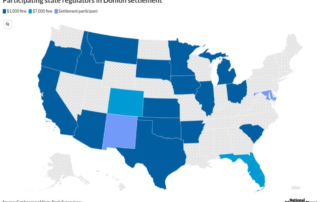
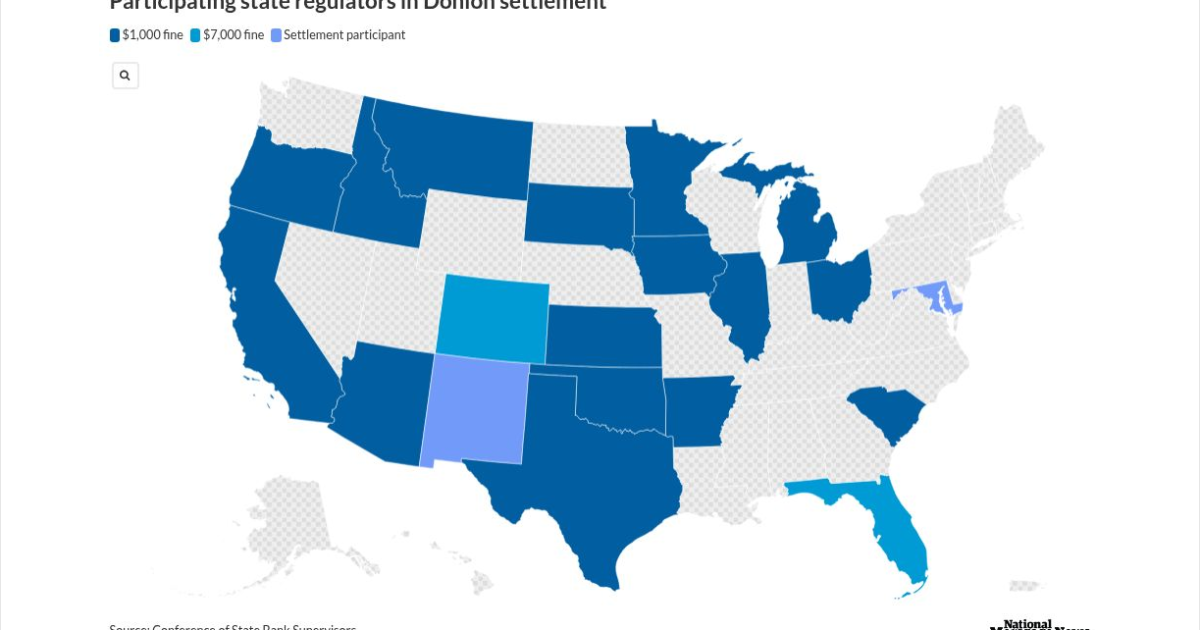
A multistate crackdown has sent shockwaves through the mortgage industry as Patrick Terrance Donlon, CEO of Trusted American Mortgage, accepted a sweeping settlement that bans him from working as a mortgage loan originator in 21 states—19 of them permanently. Regulators say Donlon had another individual complete his mandatory licensing and continuing‑education courses, a violation that triggered a coordinated investigation and a $31,000 penalty. The case underscores regulators’ growing intolerance for education fraud and serves as a sharp reminder to industry professionals: cutting corners on licensing can end careers.
Florida’s once‑booming housing market is cooling fast as rising insurance premiums, increasing foreclosures, and expanding flood zones push buyers to back out of deals and force sellers to cut prices. With insurance now adding thousands to annual housing costs, professionals across real estate, mortgage, and insurance are navigating a dramatically shifting landscape that’s redefining affordability in the Sunshine State.
Florida begins 2026 with a wave of more than 250 new laws now in effect, impacting healthcare, insurance, real estate, and consumer protections statewide. From free breast cancer screenings for state employees to tighter pet insurance regulations, mandatory healthcare refund rules, enhanced animal‑cruelty penalties, and new condo‑management requirements, these updates carry major implications for professionals navigating Florida’s evolving regulatory landscape.
Florida’s barrier islands may offer postcard-perfect beaches and soaring real estate demand, but they’re also some of the most fragile and costly places to build in the United States. With 765,000 residents living on land that shifts, sinks, and takes the brunt of every major hurricane, the financial and insurance risks are accelerating fast. From billion‑dollar beach rebuilds to towers settling into the sand, today’s coastal development challenges are reshaping conversations around property values, disclosure, and long‑term resilience. For real estate professionals, understanding these risks isn’t just smart — it’s becoming essential.
A Cedar City development is turning heads with its fresh approach to affordability. The team behind Temple View Commons is delivering luxury‑inspired twin homes at prices below the local median by using a small, hands‑on staff and cutting traditional costs like realtor commissions. In a tight Utah housing market where inventory is scarce and prices remain high, their strategy offers a realistic path to homeownership without sacrificing high‑end finishes.

 Title Insurance Leaders Double Down on Tech and Efficiency to Drive 2026 Market Momentum Gallery