Tampa Bay Real Estate Enters a Powerful New Chapter: Balance, Growth, and a Rising Lifestyle Economy

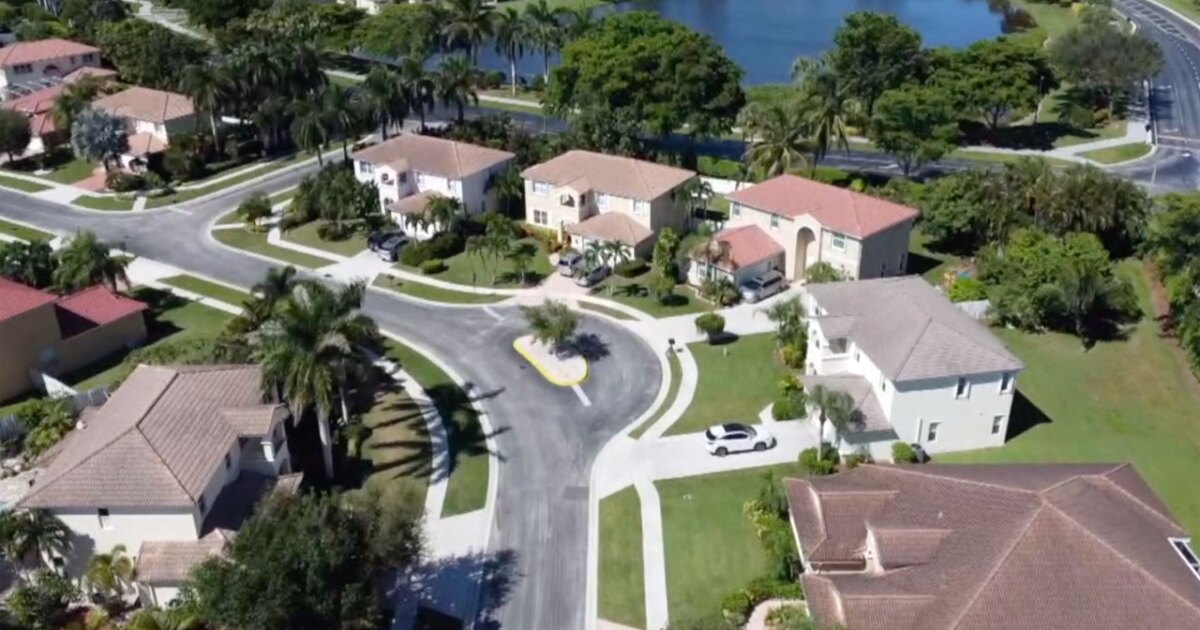
Tampa Bay steps into 2026 with confidence. After years of unpredictable swings, bidding wars, and record-breaking price surges, the region finally finds itself in a healthier, more balanced rhythm. Inventory is stronger, development is more strategic, and demand—while still high—is stabilizing.
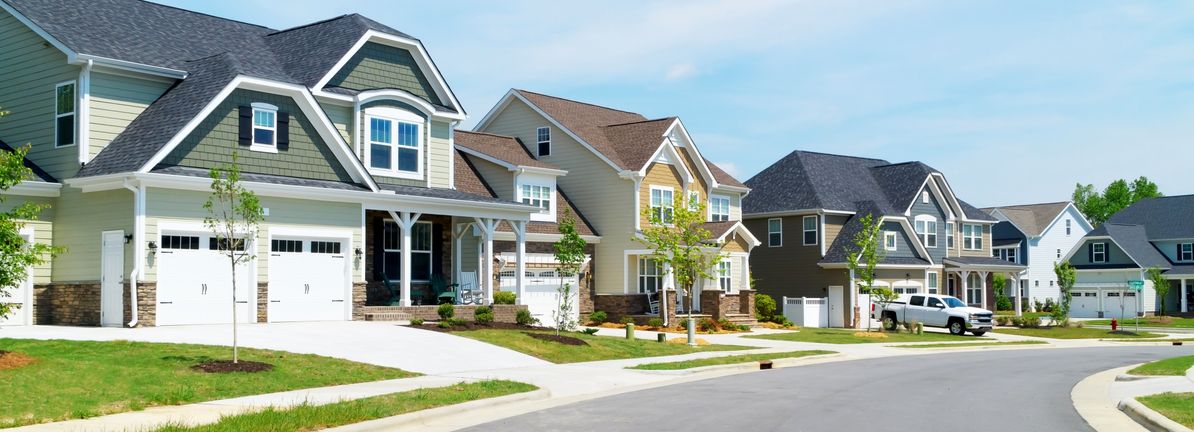
As detailed by Capital Analytics Associates, Tampa Bay’s housing supply has grown to a 4.3‑month inventory—an enormous shift from the ultra-lean conditions of the early 2020s. With median single-family prices resting around $415,000, a new era of sustainability is taking shape.
Key highlights shaping 2026:
• Home supply strengthening at 4.3 months
• Commercial growth driven by medical, retail, and industrial demand
• Affordability remains the region’s most urgent barrier
• Lifestyle districts and luxury hubs fueling premium investment
Commercial Development: Quality Over Quantity
Commercial real estate across Tampa Bay is undergoing a similar refinement. The region’s growing population continues to feed retail and healthcare demand, while industrial expansion benefits from Tampa’s strategic transportation corridors.
“Some older industrial products have begun to soften as newer facilities come online, so there is a clear quality distinction within that sector,” said Michelle Esposito Young of Michael Saunders & Company.
Mixed-use developments, once unstoppable juggernauts, faced hurdles during the spikes in construction costs and interest rates. But optimism is returning as 2026 brings stability.
“Interest rates are easing, construction costs are stabilizing, and both lenders and developers are adjusting to the new normal,” Young added.
Migration Patterns: Tampa’s Growth Engine Keeps Running
Since 2020, more than 270,000 new residents have chosen Tampa Bay, securing the region’s place as one of America’s top relocation markets. Migration continues from cities such as Chicago, New York, and Pittsburgh—but lifestyle and long-term value are now central motives.
“You can’t generalize Tampa Bay with broad statistics. The market is 100% niche,” said David Moyer of Smith & Associates Real Estate.
Districts like Water Street, Midtown, Marina District, and the rising Gasworx corridor are reshaping what it means to live and work in Tampa Bay.
Smart Buildings, Healthier Spaces, and Higher Rents
Today’s commercial tenants demand more, and developers have responded with cutting-edge building systems designed for comfort, sustainability, and longevity.
“Mechanical and electrical systems have seen some of the most meaningful advancements,” shared Matt Coticchio of Interstruct Design + Build. “Better air intake, zoned AC, flexible lighting—these are now essential.”
Office rents have surged from roughly $30/SF to $50–$60/SF in just five years—a shift that supports upgraded building infrastructure and modernized work environments.
The Affordability Challenge
Despite the boom in high-end development, affordability remains Tampa Bay’s most urgent issue. Home prices have jumped nearly 67% since 2019, while mortgage rates in the 6%–7% range push ownership out of reach for many residents. Rents, now averaging around $2,200 monthly, have begun to level—but remain high by historical standards.
“Affordability touches everything,” said Brian Batten, division president at Lennar. “We need to get home prices and monthly payments down to a point that works for the majority of people.”
Bringing homeownership costs closer to rental payments is key to helping first-time buyers enter the market and begin building equity.
Lifestyle as the New Economic Driver
Tampa Bay’s transformation is not just economic—it’s experiential. High-net-worth buyers and relocating professionals increasingly choose Tampa for its quality of life: waterfront access, walkable districts, nightlife, arts, and high-end residential design.
“They want to walk to restaurants, access the water, and enjoy life while making a sound investment,” said Dominic Pickering of BTI Partners.
With over $2 billion in infrastructure projects currently underway, the region is entering a sophisticated maturity—one defined by long-term value and elevated everyday living.
Why This Matters for Real Estate Professionals
For aspiring or seasoned Florida real estate professionals, this moment is pivotal. Tampa Bay’s growing sophistication demands deeper market knowledge, sharper skills, and a strong educational foundation.
Institutions like Cameron Academy provide the essential training, licensing, and continuing education needed to thrive in markets as dynamic as Tampa Bay. From first-time agents to veteran brokers, the academy helps professionals stay informed, competitive, and ready for opportunity.
If you’re looking to launch or elevate your career, Tampa Bay’s story is still being written—and Cameron Academy is here to help you write your chapter.