Tampa Defies National Real Estate Slowdown With Nearly 20% Stronger Returns
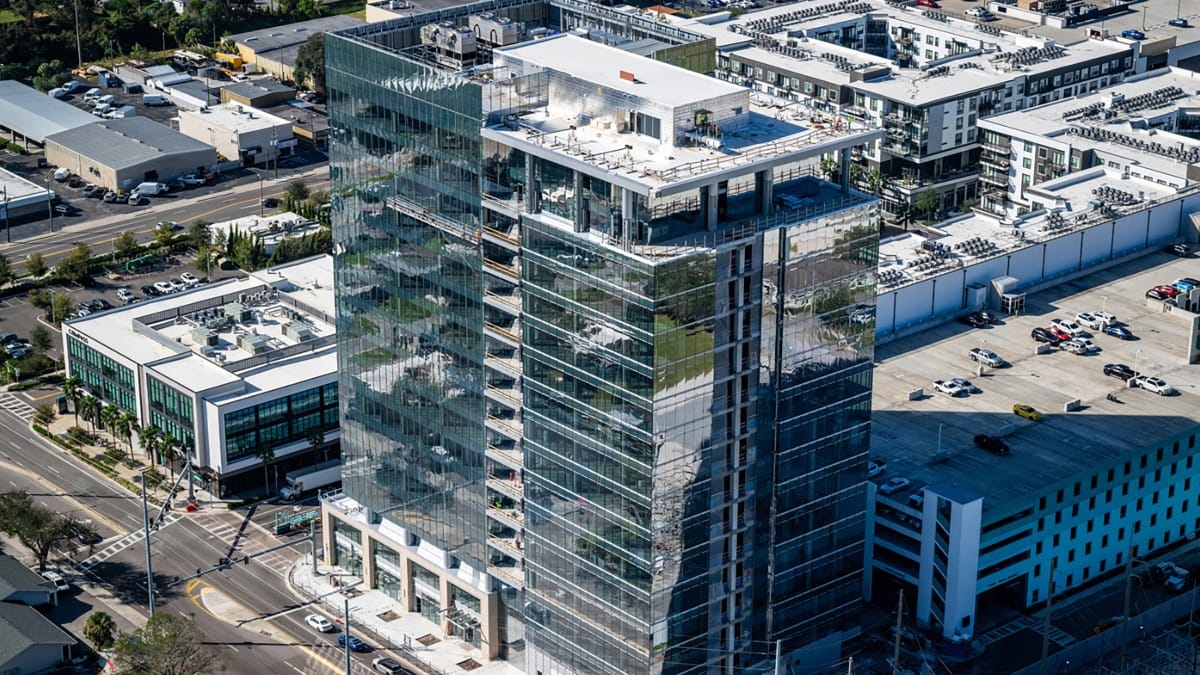
Tampa multifamily market image

Tampa continues to demonstrate why it stands as one of America’s most resilient and investment-ready real estate markets. According to a new report highlighted by Tampa Bay Business & Wealth (TBBW), the region’s multifamily sector is outperforming the national real estate slowdown by nearly 20%.

This insight stems from the latest Newmark Capital Markets Report, which highlights Tampa’s impressive 6.5% annualized return—a level many U.S. metros fail to reach due to oversupply challenges or regulatory pressures.

Tampa isn’t just keeping pace—it’s outperforming, outlasting, and outmaneuvering national headwinds.

National Snapshot: Multifamily Still Leading the Pack

Newmark’s Q3 data shows that multifamily properties remain leaders in commercial real estate returns, delivering 5.48% annually versus the broader index’s 4.65%. But disparities across metros reveal a fragmented landscape.

  • West Coast hubs like San Jose, Orange County, and San Diego topped 7% returns.
  • Miami and Houston were the only Sun Belt cities in the national top ten.
  • Oversupplied metros—Austin, Raleigh, Phoenix—posted notably weaker performance.
  • Regulation-heavy cities such as New York and Portland continued to trail behind.

This uneven distribution underscores the importance of controlled development pipelines—an area where Tampa excels.

Why Tampa’s Outperformance Matters

While many Sun Belt markets cool off due to construction surges and shifting rent growth, Tampa stands out. A 6.5% multifamily return signals an ecosystem defined by investor confidence, stable demand, and population growth.

  • Long-term stability attracts investors.
  • Vacancy rates remain healthier than competing metros.
  • Rent growth is moderating but still demand-driven.
  • Tampa maintains balance—unlike metros saturated by rapid development.

Key Factors Shaping Tampa’s Outlook

Several dynamics will guide Tampa’s multifamily evolution:

  • Sustained population and employment growth.
  • Federal rate decisions impacting cap rates and transactions.
  • New developments in Channelside, Midtown, Tampa Heights, and Westshore.
  • Investor preference for Florida’s stable and growth-oriented metros.

The future isn’t about extremes—it’s about Tampa’s consistent, disciplined trajectory toward 2026.

What This Means for Real Estate Professionals

For agents, brokers, developers, and investors, Tampa’s resilience equates to opportunity. If you’re seeking to launch or elevate your Florida real estate career, this moment is ideal to refine your expertise.

Institutions like Cameron Academy are essential partners for professionals aiming to stay competitive with industry-leading licensing, post-licensing, and continuing education programs.

The Takeaway

Tampa continues to outpace the national multifamily slowdown, reinforcing its role as one of the Southeast’s premier investment markets. Steady demand, healthy fundamentals, and balanced development offer the city a strategic advantage heading into 2026.

Full story available at TBBW: Tampa beating national real estate slowdown by nearly 20%.

Stay Connected

More Articles

Getting licensed or staying ahead in your career can be a journey—but it doesn’t have to be overwhelming. Grab your favorite coffee or tea, take a moment to relax, and browse through our articles. Whether you’re just starting out or renewing your expertise, we’ve got tips, insights, and advice to keep you moving forward. Here’s to your success—one sip and one step at a time!

Global Capital Is Reshaping Real Estate for 2026

Investors worldwide are redeploying capital, embracing more active deal structures, and expanding into new regions as the 2026 market takes shape. Data centers, revived office demand, and global diversification are driving a major shift—creating fresh opportunities for real estate, mortgage, and finance professionals who understand where capital is heading next.

Florida’s Home Insurance Crisis Hits Breaking Point as Premiums Soar and Claims Go Unpaid

Florida homeowners now pay an average of $5,838 per year for insurance—about $3,000 more than the national average—pushing many families to the financial brink. Residents report premiums tripling, claims being severely underpaid, and insurers dropping policies at one of the highest rates in the country. As frustration mounts, lawmakers and industry experts are calling for sweeping reforms to curb rising costs, increase accountability, and stabilize a market that’s reshaping real estate decisions across the state.

Citizens Insurance Steps Back as Florida’s Private Market Surges

Florida’s insurance market has hit a major turning point. Citizens Property Insurance—once the state’s largest insurer with 1.4 million policies—has shed more than 900,000 policies as private insurers return in force. Driven by Florida’s depopulation program and the arrival of 17 new companies, nearly 200,000 policies shifted to private carriers in October alone, with about 40 percent offering lower premiums. The shift signals rising competition, stabilizing rates, and new opportunities for homeowners and industry professionals navigating Florida’s evolving insurance landscape.

NAR Unveils Biggest MLS Policy Overhaul in 20 Years, Effective 2026

The National Association of REALTORS® has approved 18 major updates to modernize its MLS policies—the largest overhaul in two decades. Announced at NAR NXT in Houston and set to take effect in January 2026, the changes aim to streamline MLS operations, improve enforcement clarity, and better align policies with how today’s real estate professionals actually work.

Inhabit Unveils New AI and Fraud Prevention Tools Transforming Property Management

Inhabit has rolled out a powerful lineup of AI-driven leasing, marketing, fraud prevention, and compliance tools designed to streamline operations and protect property teams from growing risks. From hybrid AI leasing assistants to instant income verification and upcoming portfolio-wide lease audits, these innovations aim to cut costs, eliminate inefficiencies, and strengthen regulatory confidence across the multifamily industry.

Florida’s Insurance System Is Shifting Again—But Are Homeowners Still in the Danger Zone?

Florida’s latest round of insurance reforms was meant to calm a volatile market, yet many experts warn the same deep structural problems remain. Homeowners are being pushed from Citizens into higher‑priced, lightly capitalized private insurers, ratings agencies face scrutiny for inflated grades, and political influence clouds oversight. For real estate and insurance professionals, these trends signal ongoing risk, rising costs, and a market in need of a complete rebuild.