Tampa Defies National Real Estate Slowdown With Nearly 20% Stronger Returns
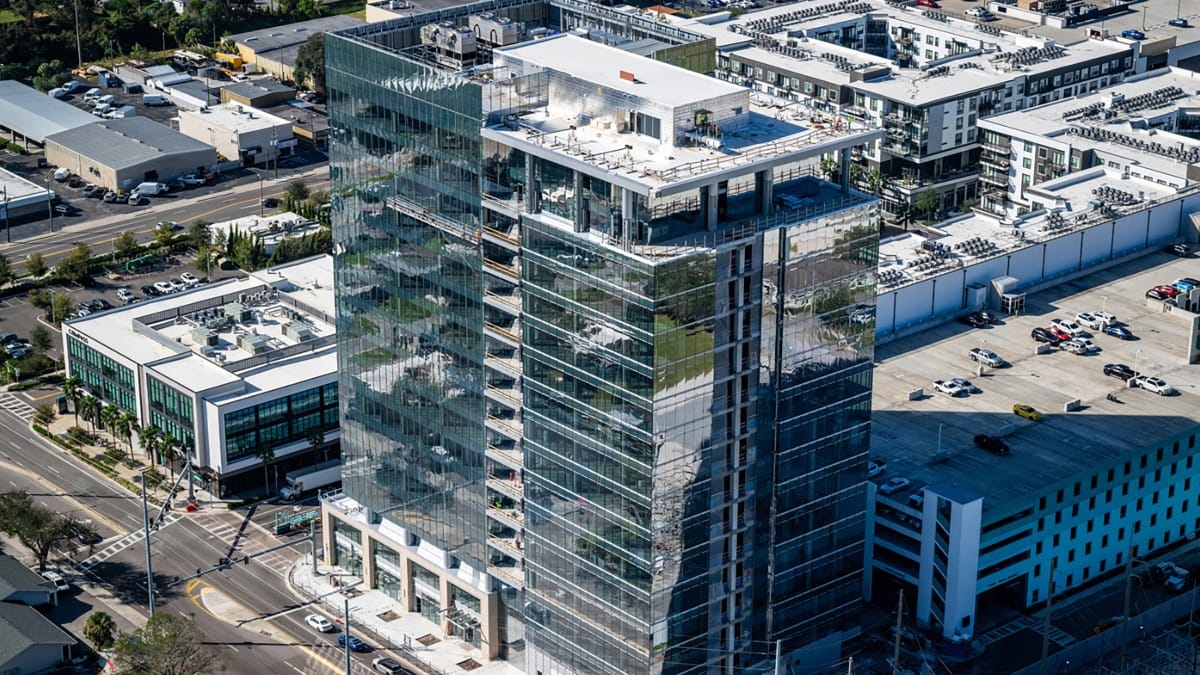
Tampa multifamily market image

Tampa continues to demonstrate why it stands as one of America’s most resilient and investment-ready real estate markets. According to a new report highlighted by Tampa Bay Business & Wealth (TBBW), the region’s multifamily sector is outperforming the national real estate slowdown by nearly 20%.

This insight stems from the latest Newmark Capital Markets Report, which highlights Tampa’s impressive 6.5% annualized return—a level many U.S. metros fail to reach due to oversupply challenges or regulatory pressures.

Tampa isn’t just keeping pace—it’s outperforming, outlasting, and outmaneuvering national headwinds.

National Snapshot: Multifamily Still Leading the Pack

Newmark’s Q3 data shows that multifamily properties remain leaders in commercial real estate returns, delivering 5.48% annually versus the broader index’s 4.65%. But disparities across metros reveal a fragmented landscape.

  • West Coast hubs like San Jose, Orange County, and San Diego topped 7% returns.
  • Miami and Houston were the only Sun Belt cities in the national top ten.
  • Oversupplied metros—Austin, Raleigh, Phoenix—posted notably weaker performance.
  • Regulation-heavy cities such as New York and Portland continued to trail behind.

This uneven distribution underscores the importance of controlled development pipelines—an area where Tampa excels.

Why Tampa’s Outperformance Matters

While many Sun Belt markets cool off due to construction surges and shifting rent growth, Tampa stands out. A 6.5% multifamily return signals an ecosystem defined by investor confidence, stable demand, and population growth.

  • Long-term stability attracts investors.
  • Vacancy rates remain healthier than competing metros.
  • Rent growth is moderating but still demand-driven.
  • Tampa maintains balance—unlike metros saturated by rapid development.

Key Factors Shaping Tampa’s Outlook

Several dynamics will guide Tampa’s multifamily evolution:

  • Sustained population and employment growth.
  • Federal rate decisions impacting cap rates and transactions.
  • New developments in Channelside, Midtown, Tampa Heights, and Westshore.
  • Investor preference for Florida’s stable and growth-oriented metros.

The future isn’t about extremes—it’s about Tampa’s consistent, disciplined trajectory toward 2026.

What This Means for Real Estate Professionals

For agents, brokers, developers, and investors, Tampa’s resilience equates to opportunity. If you’re seeking to launch or elevate your Florida real estate career, this moment is ideal to refine your expertise.

Institutions like Cameron Academy are essential partners for professionals aiming to stay competitive with industry-leading licensing, post-licensing, and continuing education programs.

The Takeaway

Tampa continues to outpace the national multifamily slowdown, reinforcing its role as one of the Southeast’s premier investment markets. Steady demand, healthy fundamentals, and balanced development offer the city a strategic advantage heading into 2026.

Full story available at TBBW: Tampa beating national real estate slowdown by nearly 20%.

Stay Connected

More Articles

Getting licensed or staying ahead in your career can be a journey—but it doesn’t have to be overwhelming. Grab your favorite coffee or tea, take a moment to relax, and browse through our articles. Whether you’re just starting out or renewing your expertise, we’ve got tips, insights, and advice to keep you moving forward. Here’s to your success—one sip and one step at a time!

The Hidden Mold Crisis Fueled by Extreme Weather

Extreme storms are triggering a surge in hidden mold growth across nearly half of U.S. homes, creating a growing health and financial emergency for families and real estate professionals. From rapid post‑storm mold development to soaring remediation costs, this silent threat is reshaping property safety, insurance challenges, and the future of housing in high‑risk regions.

Rocket Mortgage Faces Class Action for Alleged Opt‑Out Violations After 12 Unwanted Calls

A Florida consumer has filed a class action accusing Rocket Mortgage of repeatedly calling her even after confirming her opt‑out request, marking the company’s 56th TCPA‑related lawsuit. The complaint claims Rocket continued outreach for nearly three weeks—despite a STOP confirmation—and could impact more than 10,000 consumers nationwide.

Mortgage Rates Hit Month‑High as Loan Demand Falls 5%

Mortgage rates rose for the third straight week, reaching their highest level in a month and triggering a 5.2% drop in overall mortgage applications. Refinance activity slid 7%, purchase demand dipped 2%, and analysts say uncertainty in the bond market is keeping rates on a choppy path. Despite the pullback, today’s loan activity still sits well above last year’s lows, signaling that buyers remain active—but increasingly cautious.

Florida Approves 6.9% Workers’ Compensation Rate Cut for 2026

Florida has approved a 6.9% reduction in workers’ compensation insurance rates for 2026, marking the ninth straight year of decreases. The cut, signed by Insurance Commissioner Mike Yaworsky, takes effect January 1 and lowers costs for all new and renewal policies. State officials say the trend reflects improved workplace safety and will help businesses reduce expenses and support growth across industries including real estate, construction, and property management.

Is Now the Right Time to Buy a Home? Market Shifts Are Finally Giving Buyers the Upper Hand

Mortgage rates are dipping, inventory is soaring, and—for the first time in years—buyers have real leverage. While home prices remain at record highs and the economy feels unpredictable, rising inventory and cooling rates are creating rare opportunities for financially ready buyers. If you’ve been waiting for the market to open a door, this may be your moment to step through.

Is Miami Becoming New York’s Millionaire Relocation Spot?

Miami developers are pitching 'safe spaces' for millionaires amid fears of a political shift in New York City. Concerns over higher taxes and crime are prompting some New Yorkers to consider relocating south.

By |November 6, 2025|Categories: Article, Migration Trends, Real Estate|Tags: |0 Comments