Tampa Becomes the Foreclosure Epicenter as Florida Leads the Nation in Housing Distress

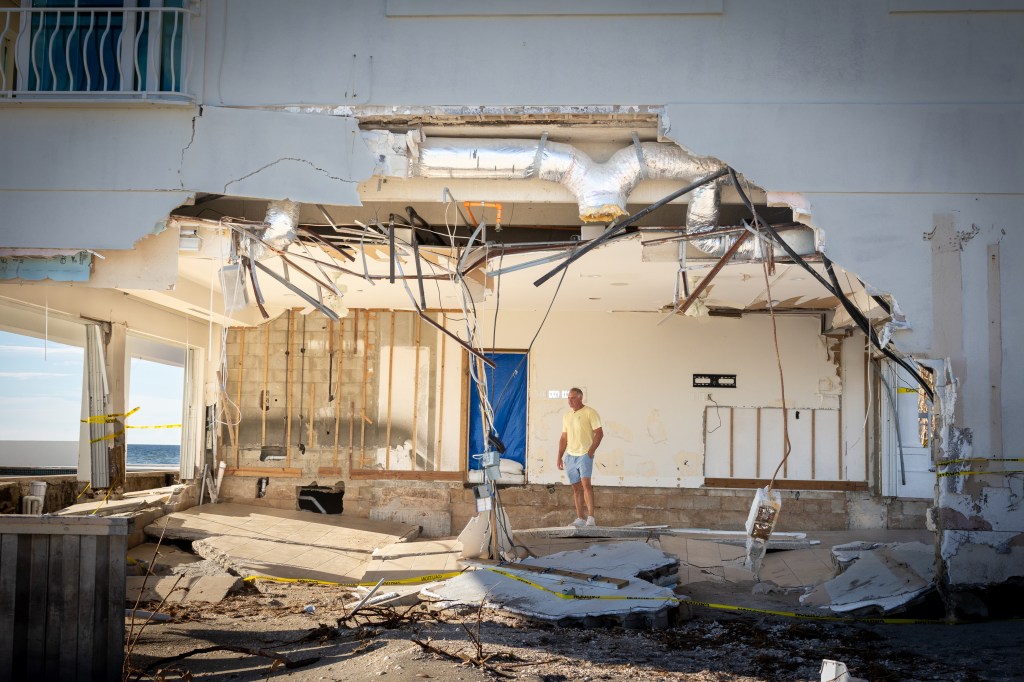
Tampa is making national headlines again—this time not for its growth, but for its surge in housing distress. As foreclosure rates continue rising across the country, Florida now tops the list as the hardest-hit state, and Tampa sits at the center of the storm. Rising insurance premiums, slipping home values and growing everyday expenses are all placing Floridians under unprecedented financial pressure.
The Numbers Behind the Spike
According to the October 2025 U.S. Foreclosure Market Report from ATTOM Data, the nation saw 36,766 foreclosure filings—up 3 percent from September and 19 percent year-over-year. Florida posted the highest foreclosure rate, with one in every 1,829 homes in distress.
But Tampa surpassed them all. With one in every 1,373 homes facing foreclosure, much of the spike is tied to Hillsborough County resuming data collection and clearing a backlog of filings.
Tap to See What’s Driving the Distress
• Declining home values leaving owners with little equity.
• Rising mortgage interest costs.
• Escalating insurance premiums statewide.
• HOA fees and daily expenses increasing rapidly.
Homeowners Caught in the Middle
Realtors throughout the region report the same unsettling trend: families who purchased between 2020 and 2023—during Tampa Bay’s real estate surge—are realizing that selling is no longer the easy escape they once assumed.
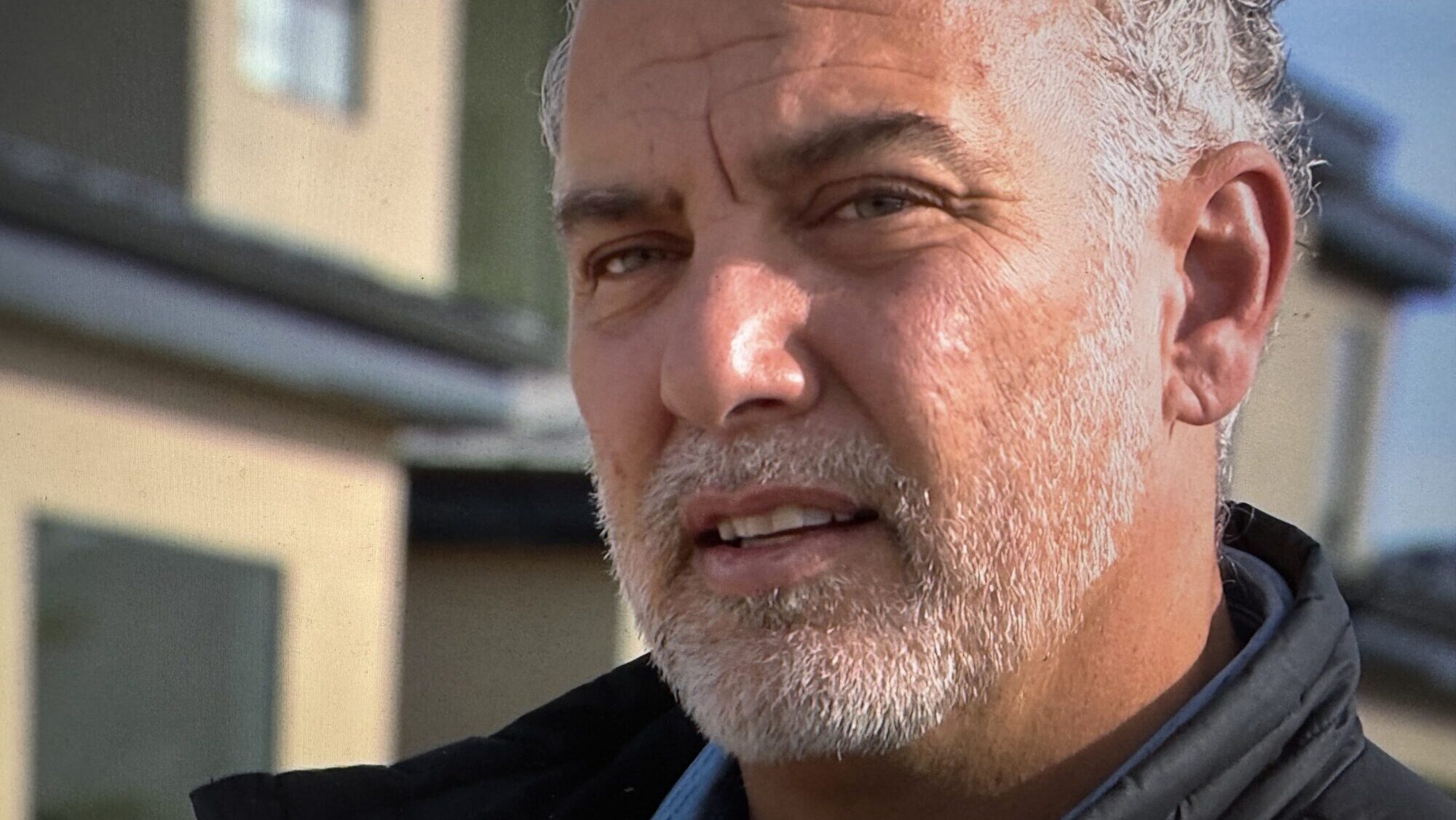
St. Petersburg realtor Mia Annibale notes that many owners would have to sell at roughly their original purchase price, while others would need to bring as much as $10,000 to closing to avoid a short sale.
“They’re negative. They can’t sell; they can’t afford the property,” she explains—revealing how quickly a tough financial position can turn into a foreclosure threat.
Housing Costs Still Rising
USF Economist Michael Snipes highlights that the strain extends beyond home prices. Everything tied to homeownership—interest rates, HOA fees, insurance premiums—continues climbing. For retirees and families on fixed incomes, even modest increases can trigger severe financial instability.
Interactive Insight: Who Feels the Impact Most?
• Retirees on fixed incomes
• First-time buyers who purchased at peak prices
• Owners with adjustable-rate mortgages
• Homeowners in high-insurance zones across Florida
A Market Normalizing—or Cracking?
Despite the surge, ATTOM CEO Rob Barber describes the trend as a “gradual normalization,” noting that foreclosure rates remain well below historic peaks. Several metros—including Milwaukee, Indianapolis and Washington D.C.—are even seeing declines.
Florida continues leading the country in foreclosure starts, followed by Texas and California. Analysts expect Tampa’s numbers to settle once Hillsborough’s backlog is cleared.
What This Means for Real Estate Professionals
For agents, mortgage professionals and newcomers, this evolving market presents both challenges and opportunities. Knowledge of foreclosure processes, market cycles and distressed-property strategies is becoming more valuable than ever—especially in a volatile state like Florida.
For those entering the industry or expanding credentials, Cameron Academy remains committed to supporting real estate, mortgage, insurance and financial professionals with licensing and continuing education tailored to today’s shifting market landscape.
Stay informed, stay licensed, and stay ahead.
Source: Original reporting from FOX 13 News and data from the ATTOM October 2025 U.S. Foreclosure Market Report. Full story at FOX 13 News.

 Title Insurance Leaders Double Down on Tech and Efficiency to Drive 2026 Market Momentum Gallery