Tampa’s Real Estate Market Shifts Into a Smarter, More Selective Phase
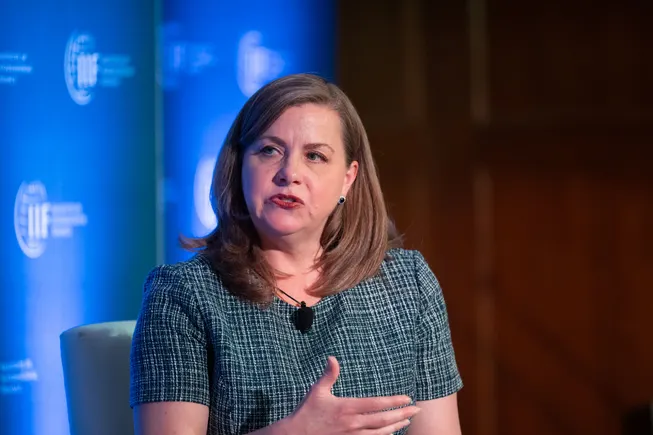
Tampa’s commercial real estate landscape is still expanding, but the era of rapid-fire, instinct-driven decision making is transitioning into a more thoughtful, selective strategy. According to Lisa Jesmer, Florida Market Leader for Avison Young, investors are now honing in on long‑term value as the market matures.
“Tampa continues to attract people and businesses,” Jesmer said in an interview with TBBW. “What’s different now is how carefully deals are being evaluated.”
Overseeing Avison Young’s operations across Tampa, Orlando, Fort Lauderdale and Miami, Jesmer emphasizes that Tampa remains one of Florida’s most dynamic environments—even as investors slow down to scrutinize pricing, risk and performance.
Population Growth Still Drives Demand
With a projected 400,000 new residents expected in the Tampa region by 2030, demand for office, industrial, retail and health-care real estate remains elevated. Tampa is also one of the few Florida markets where office leasing continues to grow, defying national trends.
“Tampa checks a lot of boxes,” she said. “A diverse job base, lifestyle appeal, and continued in‑migration.”
For real estate professionals—new or seasoned—understanding these demographic insights is essential. Students at Cameron Academy often learn this on day one: population growth creates opportunity.
Industrial Activity Normalizes
Industrial real estate, which surged during the post‑Covid era, is returning to a more predictable pace. Jesmer notes this is not a slowdown—simply a return to normalcy.
Deals are still active, but underwriting has tightened and pricing is more precise.
Retail Foot Traffic Makes a Comeback
Retail is emerging stronger than many expected. Institutional investors are showing renewed interest as Tampa’s growing population increases retail demand and foot traffic.
Stabilized centers bring longer leasing terms, stronger credit tenants, and improved financing—making retail a rising favorite again.
Capital Takes a Cautious Approach
Although transaction volume is climbing, investors are performing deeper due diligence than ever before. Off‑market opportunities are rare, and on‑market deals undergo intense analysis, especially regarding insurance exposure and deferred maintenance.
“Buyers want to know exactly what they’re walking into,” Jesmer said. “Surprises are expensive right now.”
More court‑appointed and specialty sales are surfacing as loans mature—prime opportunities for well-prepared buyers.
Health Care Real Estate Takes Center Stage
Health care is expected to be one of Florida’s hottest commercial sectors in 2026. With both a growing and aging population, demand is rising for medical office buildings, outpatient facilities and hybrid retail‑health care spaces.
Tampa’s strong hospital networks make it a natural hub for this expansion.
“There’s a lot of land being acquired and repositioned for health-care use,” Jesmer explained. “That trend is just beginning.”
What This Means for Tampa
The next chapter for Tampa real estate focuses on precision over speed. Growth and opportunity remain abundant—but those who win will be the professionals who analyze the details and plan for long‑term performance.
“Tampa is moving from expansion to execution,” Jesmer said. “That’s a healthy place for a market to be.”
Stay Connected and Stay Informed
For more insights, analysis, and regional business intelligence, explore Tampa Bay Business & Wealth below:
Getting licensed or staying ahead in your career can be a journey—but it doesn’t have to be overwhelming. Grab your favorite coffee or tea, take a moment to relax, and browse through our articles. Whether you’re just starting out or renewing your expertise, we’ve got tips, insights, and advice to keep you moving forward. Here’s to your success—one sip and one step at a time!
Florida’s insurance market is under intense pressure as millions of residents and trillions in property wealth cluster along hurricane‑vulnerable coastlines. This article breaks down how decades of growth in high‑risk zones created today’s crisis, why traditional pricing models can’t keep up, and what real estate and insurance professionals must do to stay ahead. It offers actionable insights on underwriting, risk communication, policy partnerships, and resilience planning—critical knowledge for anyone advising Florida homeowners or navigating the state’s evolving insurance landscape.
Florida’s homeowners insurance market may have stabilized, but not in the way residents hoped. After years of runaway increases, premiums have stopped spiking—but they’re holding at painfully high levels. Coastal properties remain the hardest hit, with some policies topping $15,000 a year, while insurers continue demanding costly upgrades and resisting calls for transparency. For real estate professionals, understanding these pricing pressures is becoming essential as insurance costs increasingly shape buyer decisions across the state.
Florida homeowners face soaring premiums, shrinking insurer options, and storms that grow stronger each year. This article breaks down what hurricane insurance actually covers, how deductibles really work, why flood insurance is essential, and what professionals in real estate, mortgage, and insurance must understand to protect clients and properties before the next major storm hits.
Teresa King Kinney, one of the most influential executives in modern real estate, is retiring after 33 years as CEO of the MIAMI Association of Realtors. Under her leadership, the organization grew from 5,000 members to 60,000, became a global real estate powerhouse, and built the nation’s largest association‑owned MLS. As she transitions into CEO Emeritus, MIAMI prepares for a new era shaped by the foundation she spent decades building.
Miami’s commercial property market is heating up again, posting an 11% jump in investment volume for 2025. The surge is driven largely by a revitalized retail sector fueled by population growth, strong tourism, and new mixed‑use development. While office and industrial activity remains steady but softer, investor confidence is returning as Miami’s CRE landscape matures and buyers re‑enter the market with renewed interest in high‑traffic retail opportunities.
The Federal Reserve is preparing major changes to mortgage regulations in an effort to pull more mortgage activity back into the banking sector. With banks losing significant market share to nonbank lenders over the past decade, Fed Vice Chair for Supervision Michelle Bowman says new proposals may ease capital requirements and make mortgage servicing more attractive for banks. These shifts could have wide‑ranging effects on real estate professionals, lenders, and borrowers as the balance of power in the mortgage market begins to shift once again.