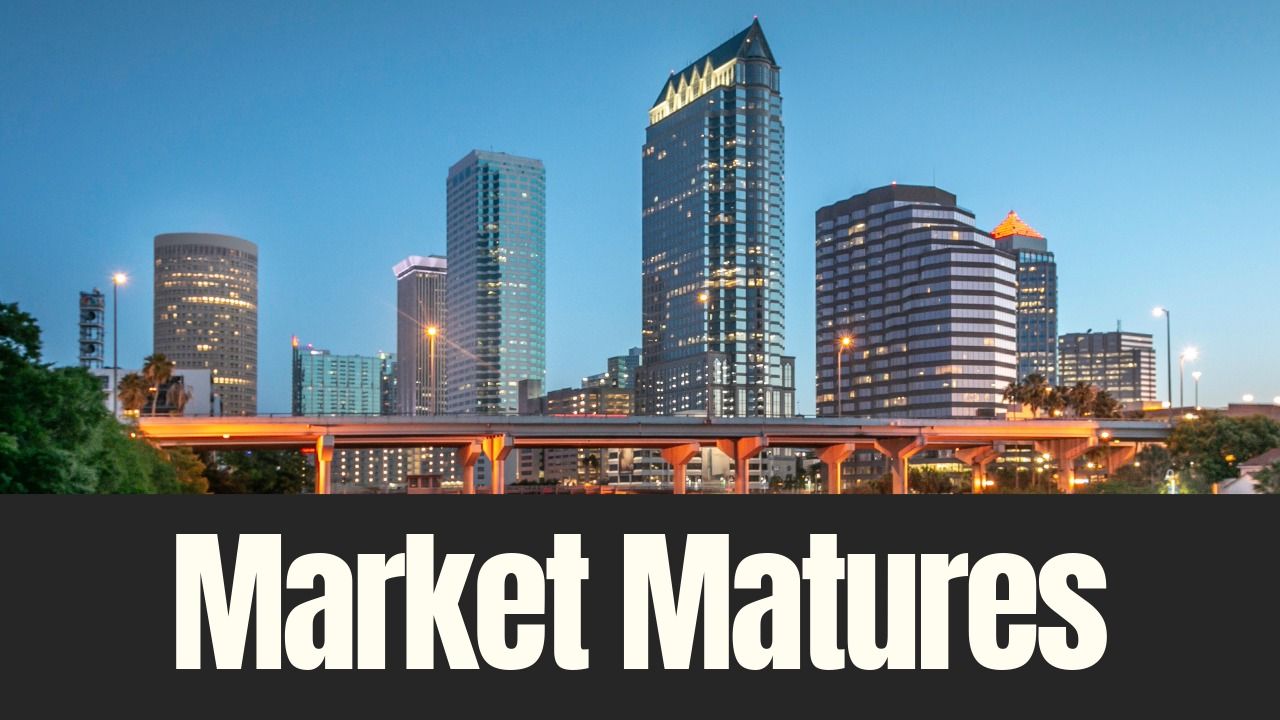
Tampa’s Real Estate Market Shifts Gears: Growth Continues, but Selectivity Becomes the New Strategy
Tampa’s commercial real estate market isn’t slowing down—it’s getting sharper. After years of rapid acceleration, the city is entering a more selective, finely tuned phase, according to Lisa Jesmer, Florida Market Leader for Avison Young. Investors aren’t stepping back; they’re stepping up their scrutiny. And for professionals in real estate, finance, development or investment, understanding this shift is essential.
Tampa’s Growth Engine Is Still Fully Running
With an estimated 400,000 new residents projected by 2030, population growth remains the backbone of Tampa’s expanding real estate ecosystem. Jesmer highlights that this in‑migration supports nearly every primary asset class—office, industrial, retail and health care.
Tampa continues to stand out as a Florida market where office leasing activity is rising, even as many metro areas nationally see demand weaken. “Tenant movement keeps buildings active and rents supported,” Jesmer emphasizes.
Industrial Real Estate Normalizes—And That’s a Good Thing
The red‑hot industrial market of the post‑Covid era is cooling to a more sustainable pace. Jesmer explains that what some call a slowdown is, in reality, a return to historical norms.
Deals are still happening—but underwriting is tighter, pricing is more disciplined and investors are demanding clearer data before committing.
Retail Comes Roaring Back
Retail is seeing renewed strength as foot traffic rebounds and major investors return to shopping centers and mall assets. Jesmer notes that large portfolio sales in Florida are signaling renewed confidence in the sector.
Stabilized retail centers bring longer leases, stronger tenants and better financing—making them increasingly attractive again.
Capital Becomes More Cautious and More Careful
While transactions are picking up, investors are applying a magnifying glass to due diligence. Deferred maintenance, insurance exposure, capital needs—nothing is moving forward without deep review.
This caution is leading to more court‑appointed and specialty sales as maturing loans push some owners into challenging positions. For savvy buyers, these situations create windows of opportunity.
Health Care Real Estate: Tampa’s Next Power Sector
Jesmer projects that health care will be one of Florida’s most active real estate categories in 2026. As the state’s population grows and ages, demand is rising for outpatient centers, medical offices and health care spaces embedded within retail developments.
Tampa’s established hospital systems and expanding medical networks place it in a prime position to capture—and lead—this wave.
What This Means for Tampa’s Future
The city isn’t slowing down; it’s leveling up. Instead of speed, the market is shifting toward smarter evaluation and long‑term decision‑making. “Tampa is moving from expansion to execution,” Jesmer says. And for a maturing market, that’s exactly where you want to be.
Why This Matters for Real Estate Professionals
Market transitions like this create opportunities for agents, brokers, investors and property managers who stay educated and agile. Whether you’re entering the industry or sharpening your edge, now is the time to stay ahead of Florida’s evolving market dynamics.
Cameron Academy continues to support real estate professionals across Florida with licensing, continuing education and advanced training designed for markets exactly like the one Tampa is entering now.
Getting licensed or staying ahead in your career can be a journey—but it doesn’t have to be overwhelming. Grab your favorite coffee or tea, take a moment to relax, and browse through our articles. Whether you’re just starting out or renewing your expertise, we’ve got tips, insights, and advice to keep you moving forward. Here’s to your success—one sip and one step at a time!
Flood insurance premiums across Florida are climbing fast, with more than 80% of NFIP policyholders seeing annual increases under FEMA’s Risk Rating 2.0. Some counties now face hikes exceeding $3,500 per year, adding pressure in a state where homeowners insurance already averages nearly $11,000 annually. As risk-based pricing takes hold and climate impacts intensify, Florida homeowners — and the real estate pros who advise them — must prepare for continued premium growth and major county‑to‑county disparities.
As insurers step into 2026, the property and casualty market shows its first signs of real stability after several turbulent years. Q4 results reveal disciplined underwriting, cooling rate hikes, and steady premium growth across major carriers. Commercial lines show selective momentum, personal lines begin to level out, and AI-driven efficiency becomes the industry’s new engine for profitability. With catastrophe losses moderating and tech adoption accelerating, professionals across insurance, real estate, and finance can expect a pivotal year—and an ideal moment to sharpen their skills through continuing education.
A new CBRE survey shows that most U.S. commercial real estate investors expect to increase their property purchases in 2026, signaling renewed confidence and market stabilization. Dallas remains the nation’s top target for the fifth straight year, followed by high‑growth metros like Atlanta, San Francisco, Miami, Charlotte, Raleigh‑Durham, Nashville, Tampa, Seattle, and New York City. These cities continue to draw strong investor interest due to population growth, business expansion, and robust development activity.
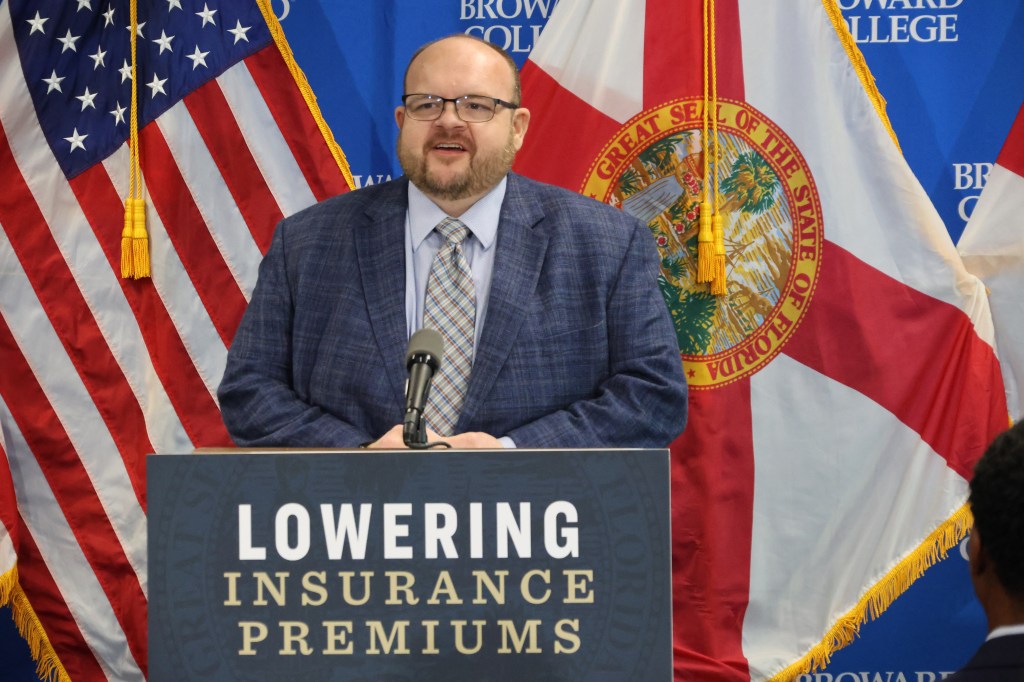
Florida Insurance Commissioner Michael Yaworsky says the state's turbulent property insurance market is finally calming, with Florida posting the lowest rate increases in the nation last year. Yet rising home replacement costs mean many homeowners won’t see relief in their premiums just yet. With Citizens Insurance shrinking, new legislative priorities emerging, and long‑term reforms taking hold, Florida’s real estate and insurance professionals are entering 2026 with cautious optimism and a clearer picture of what’s ahead.
A new CBRE survey shows investor optimism surging as 95% plan to buy more or the same amount of commercial real estate in 2026, with over half increasing their capital allocation. Stabilizing values, improving fundamentals, and expected relief in debt costs are driving renewed confidence, putting markets like Dallas, Atlanta, and Tampa in the spotlight as multifamily and industrial assets lead demand.
Artificial intelligence has moved from industry buzzword to essential mortgage‑lending tool, reshaping how loan officers work, communicate and compete. From smarter lead targeting to rapid content creation and CRM‑powered automation, AI is now the dividing line between lenders who scale efficiently and those stuck in manual workflows. This article breaks down why AI adoption is no longer optional, how top lenders are using it and what mortgage professionals must do now to stay competitive.