Tampa’s Real Estate Market Shifts Gears: Growth Continues, but Selectivity Becomes the New Strategy
Tampa’s commercial real estate market isn’t slowing down—it’s getting sharper. After years of rapid acceleration, the city is entering a more selective, finely tuned phase, according to Lisa Jesmer, Florida Market Leader for Avison Young. Investors aren’t stepping back; they’re stepping up their scrutiny. And for professionals in real estate, finance, development or investment, understanding this shift is essential.
Tampa’s Growth Engine Is Still Fully Running
With an estimated 400,000 new residents projected by 2030, population growth remains the backbone of Tampa’s expanding real estate ecosystem. Jesmer highlights that this in‑migration supports nearly every primary asset class—office, industrial, retail and health care.
Tampa continues to stand out as a Florida market where office leasing activity is rising, even as many metro areas nationally see demand weaken. “Tenant movement keeps buildings active and rents supported,” Jesmer emphasizes.
Industrial Real Estate Normalizes—And That’s a Good Thing
The red‑hot industrial market of the post‑Covid era is cooling to a more sustainable pace. Jesmer explains that what some call a slowdown is, in reality, a return to historical norms.
Deals are still happening—but underwriting is tighter, pricing is more disciplined and investors are demanding clearer data before committing.
Retail Comes Roaring Back
Retail is seeing renewed strength as foot traffic rebounds and major investors return to shopping centers and mall assets. Jesmer notes that large portfolio sales in Florida are signaling renewed confidence in the sector.
Stabilized retail centers bring longer leases, stronger tenants and better financing—making them increasingly attractive again.
Capital Becomes More Cautious and More Careful
While transactions are picking up, investors are applying a magnifying glass to due diligence. Deferred maintenance, insurance exposure, capital needs—nothing is moving forward without deep review.
This caution is leading to more court‑appointed and specialty sales as maturing loans push some owners into challenging positions. For savvy buyers, these situations create windows of opportunity.
Health Care Real Estate: Tampa’s Next Power Sector
Jesmer projects that health care will be one of Florida’s most active real estate categories in 2026. As the state’s population grows and ages, demand is rising for outpatient centers, medical offices and health care spaces embedded within retail developments.
Tampa’s established hospital systems and expanding medical networks place it in a prime position to capture—and lead—this wave.
What This Means for Tampa’s Future
The city isn’t slowing down; it’s leveling up. Instead of speed, the market is shifting toward smarter evaluation and long‑term decision‑making. “Tampa is moving from expansion to execution,” Jesmer says. And for a maturing market, that’s exactly where you want to be.
Why This Matters for Real Estate Professionals
Market transitions like this create opportunities for agents, brokers, investors and property managers who stay educated and agile. Whether you’re entering the industry or sharpening your edge, now is the time to stay ahead of Florida’s evolving market dynamics.
Cameron Academy continues to support real estate professionals across Florida with licensing, continuing education and advanced training designed for markets exactly like the one Tampa is entering now.
Getting licensed or staying ahead in your career can be a journey—but it doesn’t have to be overwhelming. Grab your favorite coffee or tea, take a moment to relax, and browse through our articles. Whether you’re just starting out or renewing your expertise, we’ve got tips, insights, and advice to keep you moving forward. Here’s to your success—one sip and one step at a time!
Florida families are feeling the squeeze as everyday costs, insurance premiums, and homeownership barriers continue to climb. House District 102 candidate Jayden D’Onofrio is calling for a broader, more unified affordability strategy—one that tackles the state’s insurance crisis, supports first‑time homebuyers, and restores real competition in the market. His message centers on transparency, practical solutions, and keeping Florida livable for the professionals, workers, and families who power its economy.
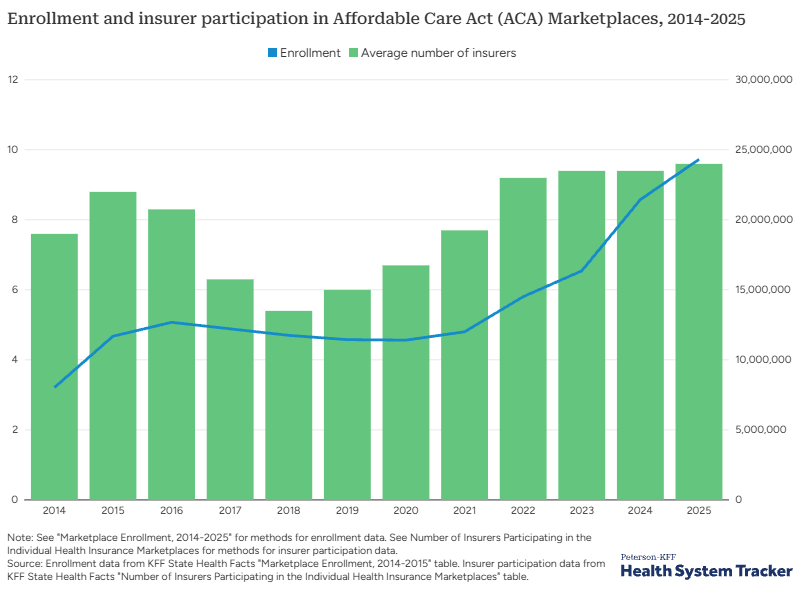
A decade of dramatic change is reshaping America’s health insurance markets. Employer group plans are becoming increasingly dominated by a few powerful insurers, while the ACA individual marketplace is experiencing record‑breaking competition and enrollment. Self‑funded plans are surging, small‑group premiums are driving employers to new coverage models, and major policy shifts in 2025 could redefine affordability for millions. This data‑driven Peterson‑KFF analysis breaks down the trends every insurance, finance, and business professional needs to understand as the industry enters a transformative new era.
Sarasota County is inching closer to approving Winchester Ranch, a massive 8,999‑home community planned for more than 3,100 acres in North Port. With a 7‑1 vote from the Planning Commission and a final decision expected in early 2026, the project could become one of Southwest Florida’s largest developments in decades—bringing new housing, commercial space, and industry while raising fresh questions about growth, the environment, and the region’s rapidly evolving real estate market.
Lument Finance Trust has closed a major $663.8 million commercial real estate CLO, marking one of the standout CRE finance deals of 2025. The transaction, LMNT 2025-FL3, features a strong reinvestment period, non‑recourse and non‑mark‑to‑market financing, and a diversified pool of 32 loans tied to 49 properties nationwide. With J.P. Morgan leading the structuring and more than $585 million placed in investment‑grade securities, the deal highlights renewed stability in transitional CRE debt—making it a development real estate and finance professionals will want to watch closely.
Walmart has partnered with Alquist 3D to roll out the nation’s first large‑scale wave of 3D‑printed commercial buildings, signaling a major shift in how future retail and industrial spaces will be constructed. After completing an 8,000‑square‑foot 3D‑printed expansion in Tennessee—the largest of its kind—the company is moving forward with over a dozen new projects nationwide, accelerating a tech‑driven transformation in commercial real estate.
Citizens Property Insurance Corp. is recommending statewide rate reductions for 2026—the first proposed decrease in more than a decade. Most Citizens policyholders could see an average 11.5% drop, reflecting recent insurance‑market reforms that have stabilized Florida’s turbulent property sector. With hundreds of thousands of policies moving back to private insurers and state‑backed Citizens shrinking to record‑low enrollment, real estate and insurance professionals should prepare for how lower premiums may influence affordability, buyer confidence, and market activity heading into 2026.