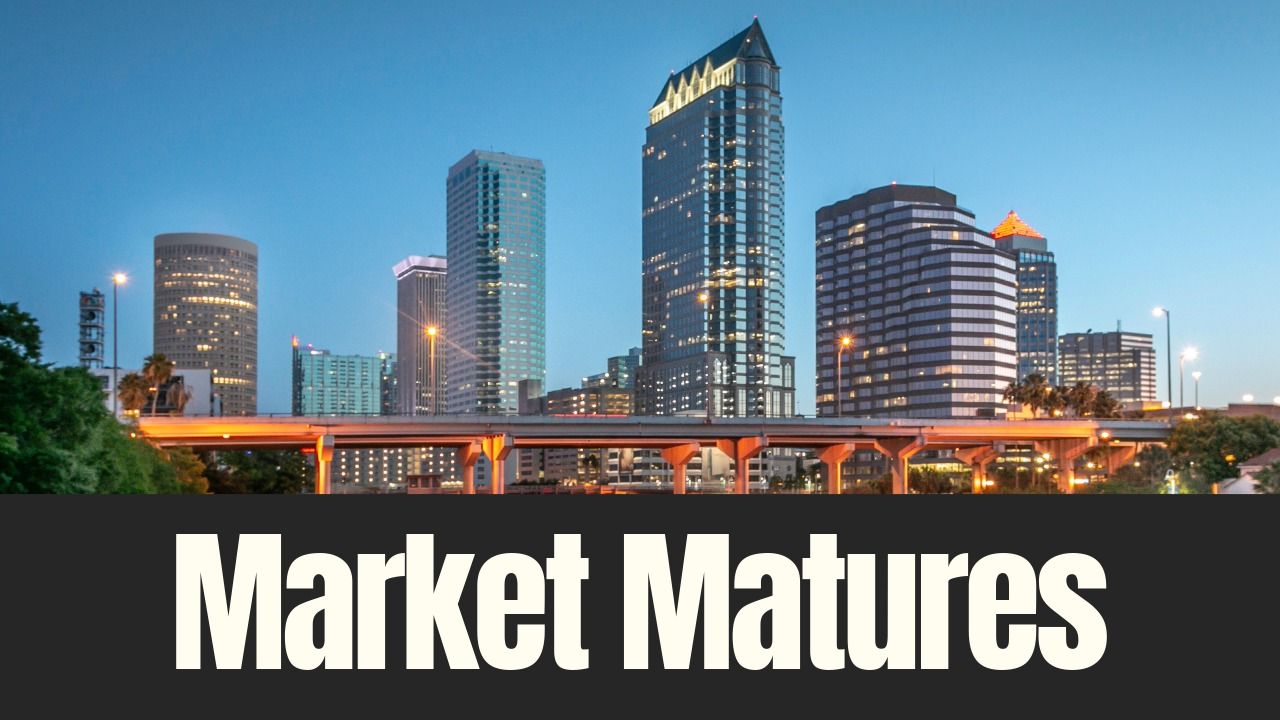
Tampa’s Real Estate Market Enters Its Selective Era
Tampa’s commercial real estate market hasn’t slowed—it’s matured. After years of rapid expansion, investors and tenants are now approaching deals with sharper scrutiny and disciplined strategy. According to Lisa Jesmer, Florida Market Leader for Avison Young, this shift isn’t a sign of weakness but a natural evolution into a more selective, intelligent phase of growth.
“Tampa continues to attract people and businesses,” Jesmer explained. “What’s different now is how carefully deals are being evaluated.”
Population Growth Keeps Demand Strong
Even with cautious capital, Tampa’s fundamentals remain powerful. The region is projected to welcome nearly 400,000 new residents by 2030—fueling long‑term demand for office, industrial, retail, and especially health care properties.
Office leasing continues to rise in Tampa, defying the stagnation seen in many other U.S. markets. “Tenant movement keeps buildings active and rents supported,” Jesmer noted.
Tap to Explore: Why Population Growth Matters
More residents mean more businesses, more consumers, stronger labor pools, and sustained real estate demand across every sector—from office to industrial to retail.
Industrial Activity Normalizes
Tampa’s industrial sector—fueled heavily by the post‑pandemic surge—is settling into historical norms. This isn’t pullback; it’s discipline. Investors remain active but more intentional, seeking smarter long‑term plays.
Retail Sees Renewed Strength
Retail is enjoying a revival. Foot traffic is rising, investor confidence is returning, and shopping centers are securing new tenant mixes driven by the region’s growing population and economic stability.
Tap to Reveal: What’s Fueling Retail’s Comeback?
Stronger consumer spending, evolving tenant strategies, improved financing structures, and renewed institutional interest are breathing life back into Florida retail.
Capital Becomes More Cautious
Deals are still happening, but the era of fast closings and generous underwriting is over. Investors now demand clarity on insurance exposure, deferred maintenance, and real long‑term costs before committing capital.
This environment has created a rise in court‑ordered and specialty sales—a unique opportunity for experienced buyers ready to navigate complexity.
Health Care Real Estate Takes Center Stage
As Florida’s population grows and ages, health care real estate has emerged as one of the most active sectors heading into 2026. Medical offices and outpatient facilities are increasingly being integrated into retail centers, providing landlords with stable, credit‑strong tenants.
“There’s a lot of land being acquired and repositioned for health care use,” Jesmer said. “That trend is just beginning.”
Tampa’s Next Phase: Execution Over Expansion
The city’s growth hasn’t slowed—it’s transformed. Jesmer characterizes Tampa’s next phase as strategic, not speculative.
“Tampa is moving from expansion to execution,” she said. “That’s a healthy place for a market to be.”
What This Means for Florida Real Estate Professionals
The evolving market rewards professionals who stay informed, educated, and adaptable. Whether you’re an agent, broker, investor, or manager, this selective era calls for deeper understanding of market cycles, underwriting, and regulatory changes.
Cameron Academy proudly supports professionals through Florida real estate licensing, continuing education, and career‑advancing programs that align with today’s smarter, more analytical market.
Smart markets reward smart professionals—now is the ideal moment to sharpen your credentials.
Explore the Source
Full story originally published by Tampa Bay Business & Wealth:
Getting licensed or staying ahead in your career can be a journey—but it doesn’t have to be overwhelming. Grab your favorite coffee or tea, take a moment to relax, and browse through our articles. Whether you’re just starting out or renewing your expertise, we’ve got tips, insights, and advice to keep you moving forward. Here’s to your success—one sip and one step at a time!
Commercial real estate is entering a decade of major transformation driven by interest rate pressures, evolving work culture, rapid proptech innovation, and growing demand for AI-focused infrastructure. While the global CRE market is projected to reach $133.5 trillion by 2028, rising rates, shifting office demand, and increasing sustainability requirements are reshaping how professionals invest, manage, and develop properties. By 2030, the biggest opportunities will center on mixed‑use conversions, data center growth, premium office spaces, and ESG‑driven upgrades.
The National Association of Realtors’ landmark antitrust settlement is transforming how real estate agents negotiate compensation, work with buyers, and handle transparency in transactions. With MLS‑posted buyer‑broker commissions eliminated and written buyer agreements now required, both consumers and professionals are navigating a new, more transparent landscape. While commission levels have only dipped slightly, the real shift is in how openly compensation is discussed and negotiated—creating new challenges and opportunities for agents who adapt quickly.
Artificial intelligence is no longer a novelty in real estate — 2025 marks its breakthrough year as a dependable pillar of the proptech industry. With investors pouring capital into AI‑powered forecasting, security, automation, and property management tools, the sector is shifting from experimentation to full‑scale adoption. Brokerages, developers, and institutional players now rely on AI to streamline due diligence, enhance market modeling, reduce risk, and optimize building operations. As adoption accelerates, professionals who understand and leverage these technologies are gaining a decisive competitive edge in fast‑moving markets like Florida.
A new episode of Current Account breaks down why the insurance industry is heading into 2026 with more uncertainty — and more opportunity — than ever. From shifting global regulations and rising catastrophe risks to FSOC’s evolving role in the U.S., industry leaders Jérôme Haegeli and Philippe Brahin explain how insurers are being pushed to rethink strategy in real time. With global premium growth expected to slow and regulatory pressures rising, professionals in insurance and financial services are turning to education and new skills to stay ahead in a rapidly changing market.
New Jersey is quietly becoming one of the hottest commercial real estate markets in the nation, with Jersey City and North Jersey breaking into the top 10 in PwC’s 2026 Emerging Trends report. Fueled by redevelopment momentum, data‑center demand, mixed‑use transformations and a surge in health‑care projects, the state is drawing major investors while still battling rising construction costs and municipal fatigue. For real estate professionals, the Garden State’s evolution signals fresh opportunity—and a market worth watching closely heading into 2026.
The National Council of Insurance Legislators is pushing back against President Trump’s new executive order on artificial intelligence, arguing that it threatens decades of state‑based insurance oversight. NCOIL leaders say federal attempts to centralize AI authority could disrupt markets, weaken consumer protections, and limit states’ ability to innovate—setting the stage for a significant legal and political battle with major implications for insurance professionals who rely on AI‑driven tools and regulatory clarity.