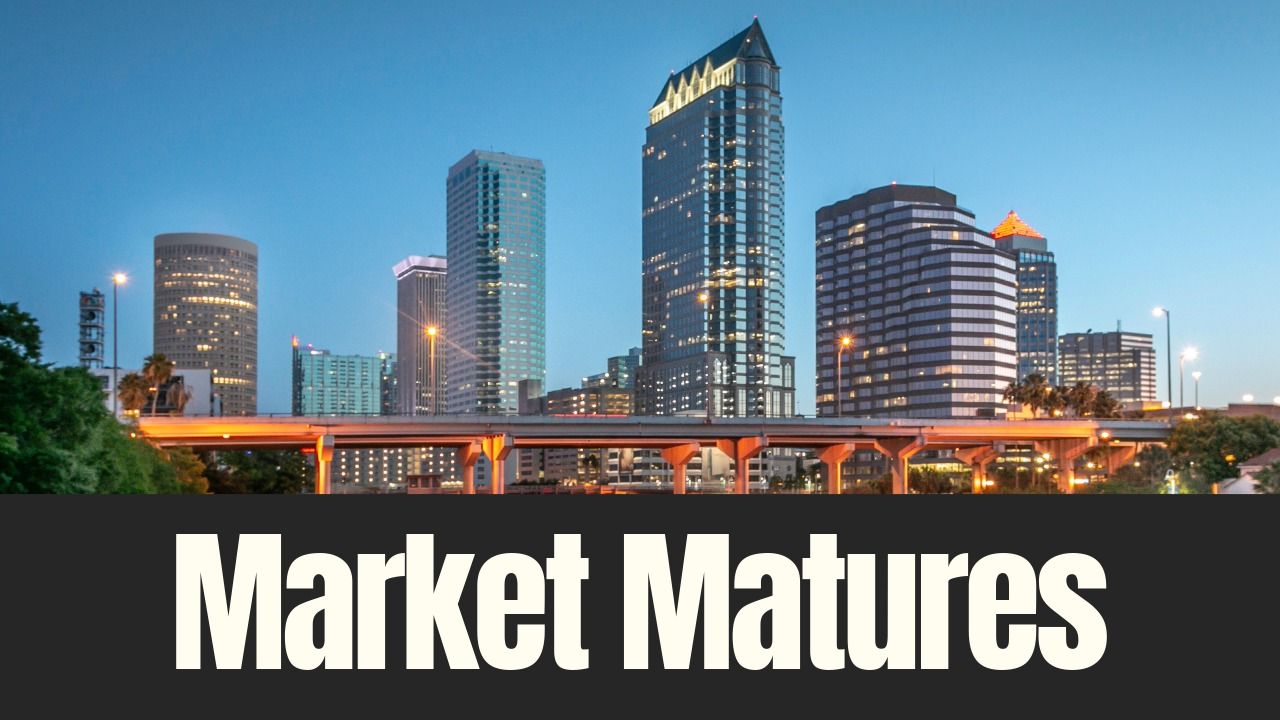
Tampa’s Real Estate Market Enters Its Selective Era
Tampa’s commercial real estate market hasn’t slowed—it’s matured. After years of rapid expansion, investors and tenants are now approaching deals with sharper scrutiny and disciplined strategy. According to Lisa Jesmer, Florida Market Leader for Avison Young, this shift isn’t a sign of weakness but a natural evolution into a more selective, intelligent phase of growth.
“Tampa continues to attract people and businesses,” Jesmer explained. “What’s different now is how carefully deals are being evaluated.”
Population Growth Keeps Demand Strong
Even with cautious capital, Tampa’s fundamentals remain powerful. The region is projected to welcome nearly 400,000 new residents by 2030—fueling long‑term demand for office, industrial, retail, and especially health care properties.
Office leasing continues to rise in Tampa, defying the stagnation seen in many other U.S. markets. “Tenant movement keeps buildings active and rents supported,” Jesmer noted.
Tap to Explore: Why Population Growth Matters
More residents mean more businesses, more consumers, stronger labor pools, and sustained real estate demand across every sector—from office to industrial to retail.
Industrial Activity Normalizes
Tampa’s industrial sector—fueled heavily by the post‑pandemic surge—is settling into historical norms. This isn’t pullback; it’s discipline. Investors remain active but more intentional, seeking smarter long‑term plays.
Retail Sees Renewed Strength
Retail is enjoying a revival. Foot traffic is rising, investor confidence is returning, and shopping centers are securing new tenant mixes driven by the region’s growing population and economic stability.
Tap to Reveal: What’s Fueling Retail’s Comeback?
Stronger consumer spending, evolving tenant strategies, improved financing structures, and renewed institutional interest are breathing life back into Florida retail.
Capital Becomes More Cautious
Deals are still happening, but the era of fast closings and generous underwriting is over. Investors now demand clarity on insurance exposure, deferred maintenance, and real long‑term costs before committing capital.
This environment has created a rise in court‑ordered and specialty sales—a unique opportunity for experienced buyers ready to navigate complexity.
Health Care Real Estate Takes Center Stage
As Florida’s population grows and ages, health care real estate has emerged as one of the most active sectors heading into 2026. Medical offices and outpatient facilities are increasingly being integrated into retail centers, providing landlords with stable, credit‑strong tenants.
“There’s a lot of land being acquired and repositioned for health care use,” Jesmer said. “That trend is just beginning.”
Tampa’s Next Phase: Execution Over Expansion
The city’s growth hasn’t slowed—it’s transformed. Jesmer characterizes Tampa’s next phase as strategic, not speculative.
“Tampa is moving from expansion to execution,” she said. “That’s a healthy place for a market to be.”
What This Means for Florida Real Estate Professionals
The evolving market rewards professionals who stay informed, educated, and adaptable. Whether you’re an agent, broker, investor, or manager, this selective era calls for deeper understanding of market cycles, underwriting, and regulatory changes.
Cameron Academy proudly supports professionals through Florida real estate licensing, continuing education, and career‑advancing programs that align with today’s smarter, more analytical market.
Smart markets reward smart professionals—now is the ideal moment to sharpen your credentials.
Explore the Source
Full story originally published by Tampa Bay Business & Wealth:
Getting licensed or staying ahead in your career can be a journey—but it doesn’t have to be overwhelming. Grab your favorite coffee or tea, take a moment to relax, and browse through our articles. Whether you’re just starting out or renewing your expertise, we’ve got tips, insights, and advice to keep you moving forward. Here’s to your success—one sip and one step at a time!
At the 2025 Florida Chamber Insurance Summit, Insurance Commissioner Mike Yaworsky announced that Florida’s long‑volatile insurance market has at last regained stability. After a decade marked by runaway litigation, inflated claims, and insurer exits, the sweeping tort and insurance reforms passed in 2022 and 2023 have reversed the decline. Litigation has fallen to pre‑2019 levels, new carriers and reinsurers are entering the state, and consumers now have more options than they’ve seen in years. Yaworsky cautioned, however, that rolling back these reforms would undo the progress and impose massive costs on Floridians.
Driving with an expired license is illegal in nearly every state, and in 2025 the consequences are more serious than most people realize. From fines and potential jail time to denied insurance claims and professional repercussions, even a simple lapse can create a ripple effect—especially for licensed professionals in real estate, insurance, mortgage, and finance. This quick morning read breaks down the real penalties, why professionals should pay attention, and how to renew your license before it becomes a costly mistake.
A new wave of chat‑based AI tools is reshaping how quickly real estate professionals can prepare and enhance listing photos. By simply describing changes—like brightening a kitchen, removing clutter, or fully staging a room—agents and property managers can produce high‑impact images in minutes. This technology not only speeds up market readiness but also boosts renter and buyer engagement by presenting spaces at their full potential from the very first glance.
The rental market is gearing up for major shifts in 2026, from rising compliance demands and surging insurance costs to the rapid adoption of AI‑powered property management tools. Tenants’ expectations are evolving just as quickly, pushing owners to deliver lifestyle‑driven communities rather than simple lease agreements. Investors and operators who embrace technology, stay ahead of regulatory changes and prioritize renter experience will be best positioned to thrive in the coming year.
Artificial intelligence is transforming real estate at lightning speed, turning days of manual work into minutes of automated insight. With the AI real estate market projected to soar from $222.65B in 2024 to over $975B by 2029, professionals who understand this technology now will lead the industry tomorrow. From smarter valuations to automated workflows and predictive analytics, AI is redefining how agents, investors, and property managers operate—making today the perfect time to embrace the tools shaping the future of real estate.
As AI takes over the repetitive tasks that slow agents down, industry expert Matt Britton says the future of real estate belongs to professionals who combine intelligent automation with irreplaceable human trust. Speaking to thousands at NAR NXT 2025, Britton emphasized that the next wave of success will come from agents who embrace AI workflows while doubling down on what technology can’t replicate: empathy, creativity, and meaningful client relationships.