

“`html

In a rapidly evolving world, technology is poised to redefine the real estate landscape by 2025. According to a recent article by AZ Big Media, the integration of advanced technologies such as AI, blockchain, virtual reality, and data analytics is set to revolutionize how properties are bought, sold, rented, and managed.


Ai-driven property recommendations

AI-Driven Property Recommendations

Artificial intelligence will streamline property searches, offering personalized recommendations based on user preferences such as budget, location, and lifestyle. John Beebe, CEO of Classic Car Deals, highlights the potential of AI to enhance predictive analytics, aiding buyers and investors in making informed decisions.


Blockchain for Transparent Transactions

Blockchain is expected to enhance security and transparency in real estate transactions. Dr. Nick Oberheiden of Oberheiden P.C. notes that smart contracts will automate agreements, eliminating intermediaries and reducing costs.


Virtual reality for property tours

Virtual Reality for Property Tours

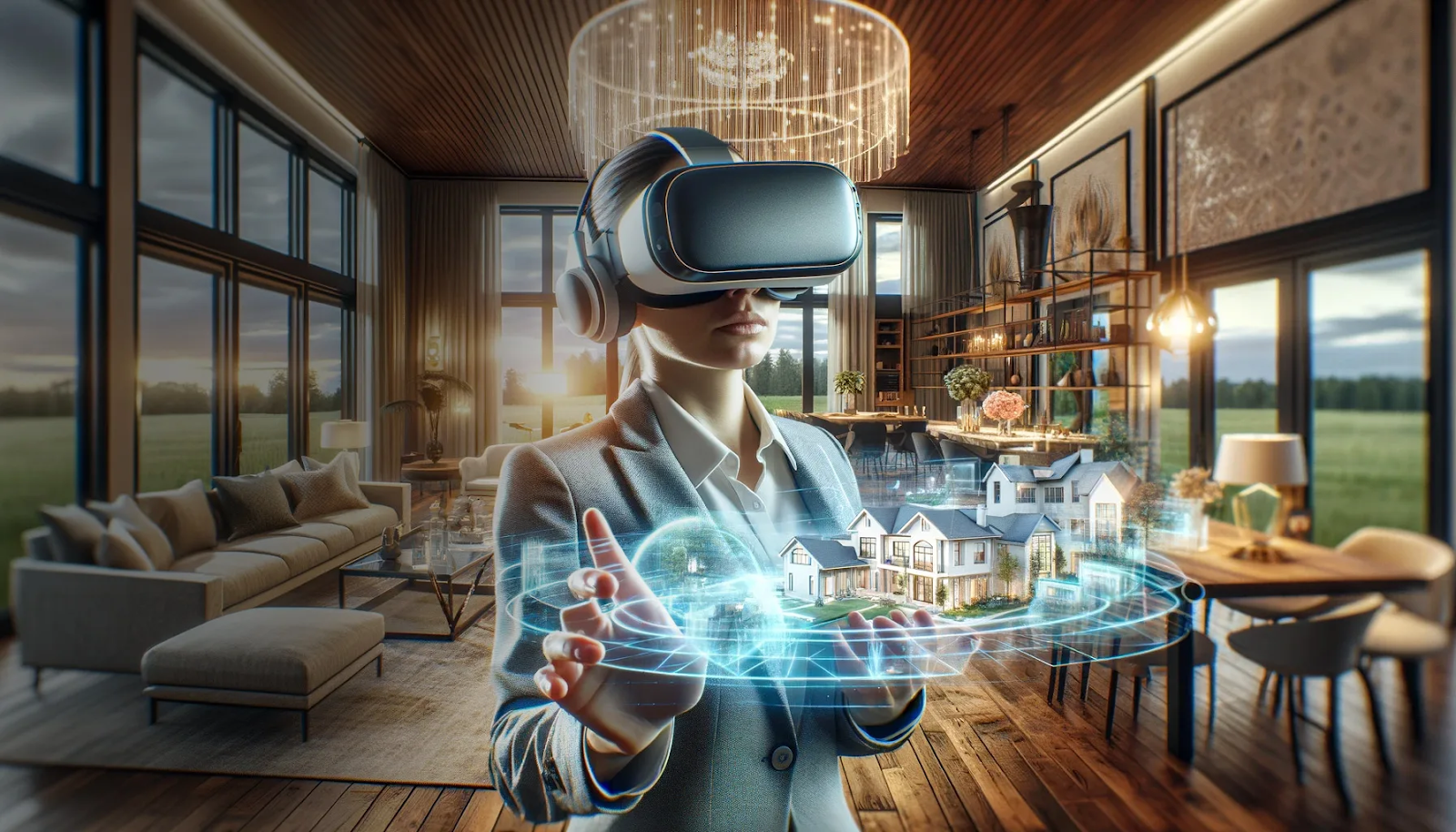
Virtual reality is transforming property marketing. Gerrid Smith, CEO of Fortress Growth, advocates for VR’s ability to offer immersive property tours, benefiting international buyers and enhancing the competitive edge of real estate firms.


Big Data for Market Insights

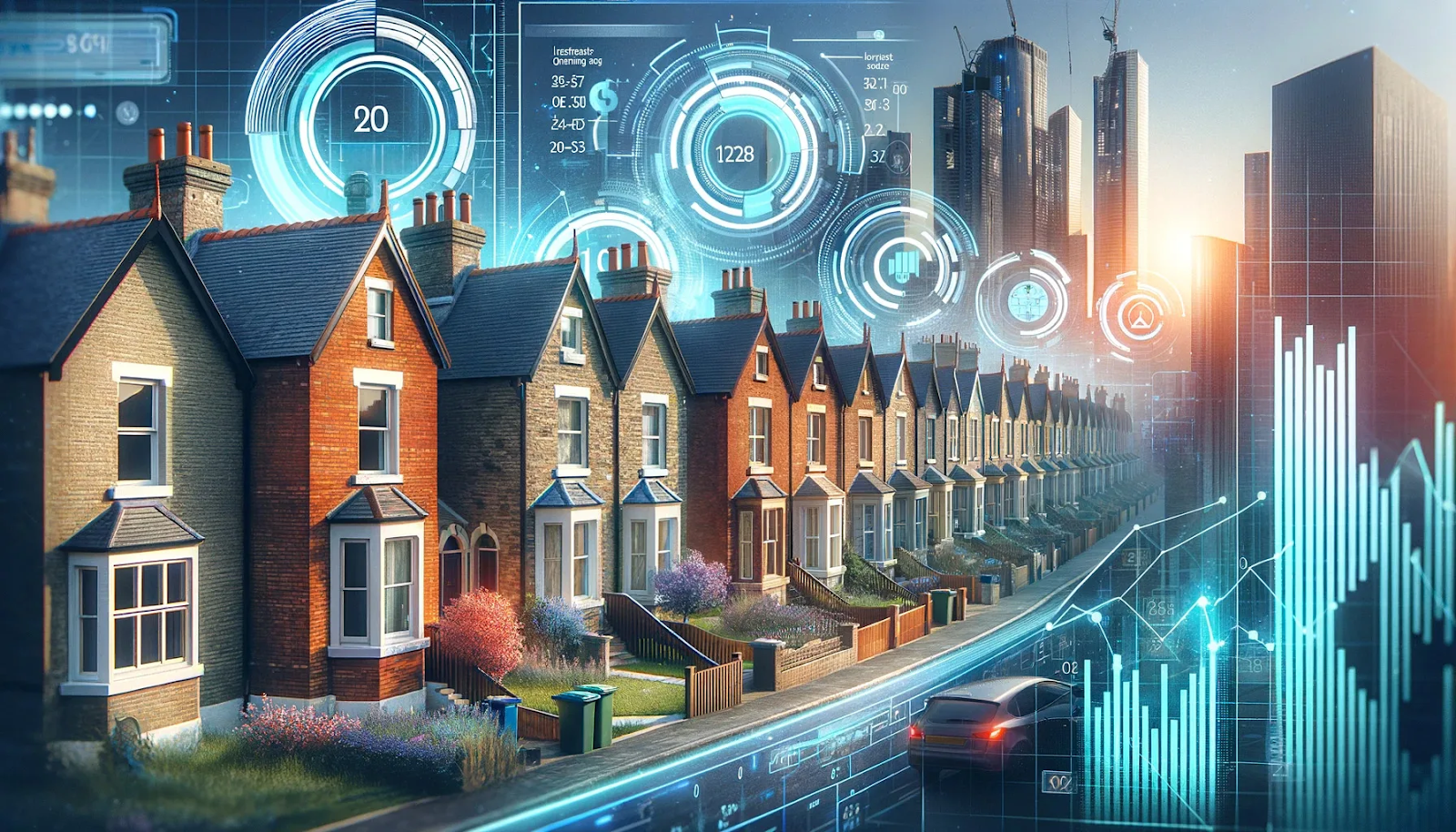
Big data is pivotal in forecasting market trends. Sam Hodgson from ISA.co.uk emphasizes the role of AI-enhanced data platforms in providing stakeholders with insights into property prices and market dynamics.


Iot-enabled smart homes

IoT-Enabled Smart Homes

The Internet of Things will integrate smart solutions into daily life, with energy-efficient lighting, air control, and security systems becoming standard. Alex L. from StudyX highlights the appeal to environmentally-conscious consumers.


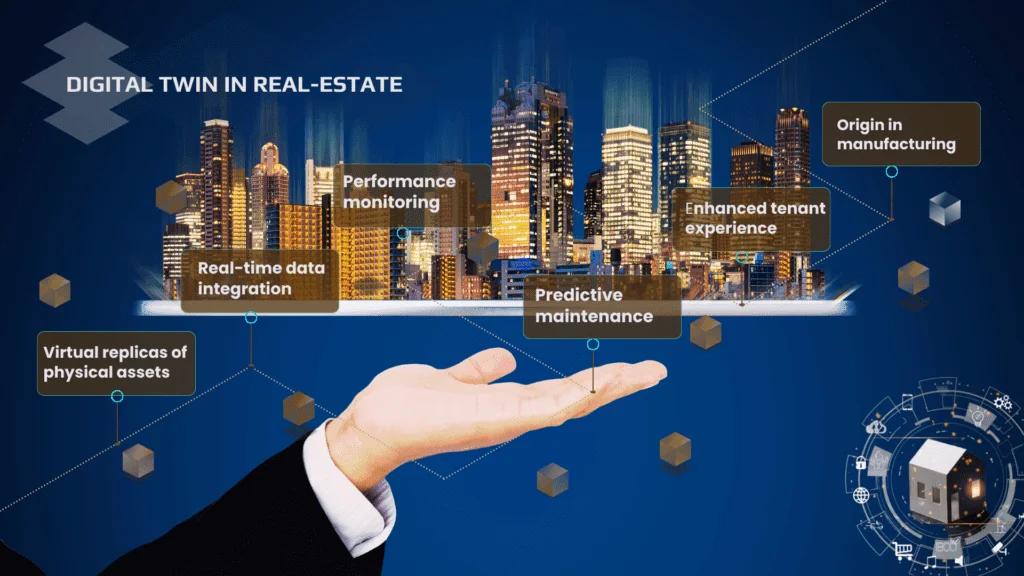
Digital Twins for Property Development

Digital twins will allow developers to visualize properties before construction, enhancing accuracy and efficiency. Ivy Berezo from LUCAS PRODUCTS & SERVICES notes the potential for real-time collaboration among stakeholders.


Enhanced marketing with ar and ai

Enhanced Marketing with AR and AI

Augmented reality and AI will revolutionize property marketing, allowing potential buyers to visualize renovations and interact with properties through mobile applications. Leonidas Sfyris from Need a Fixer explains the potential for higher conversion rates.


Sustainable Real Estate Practices

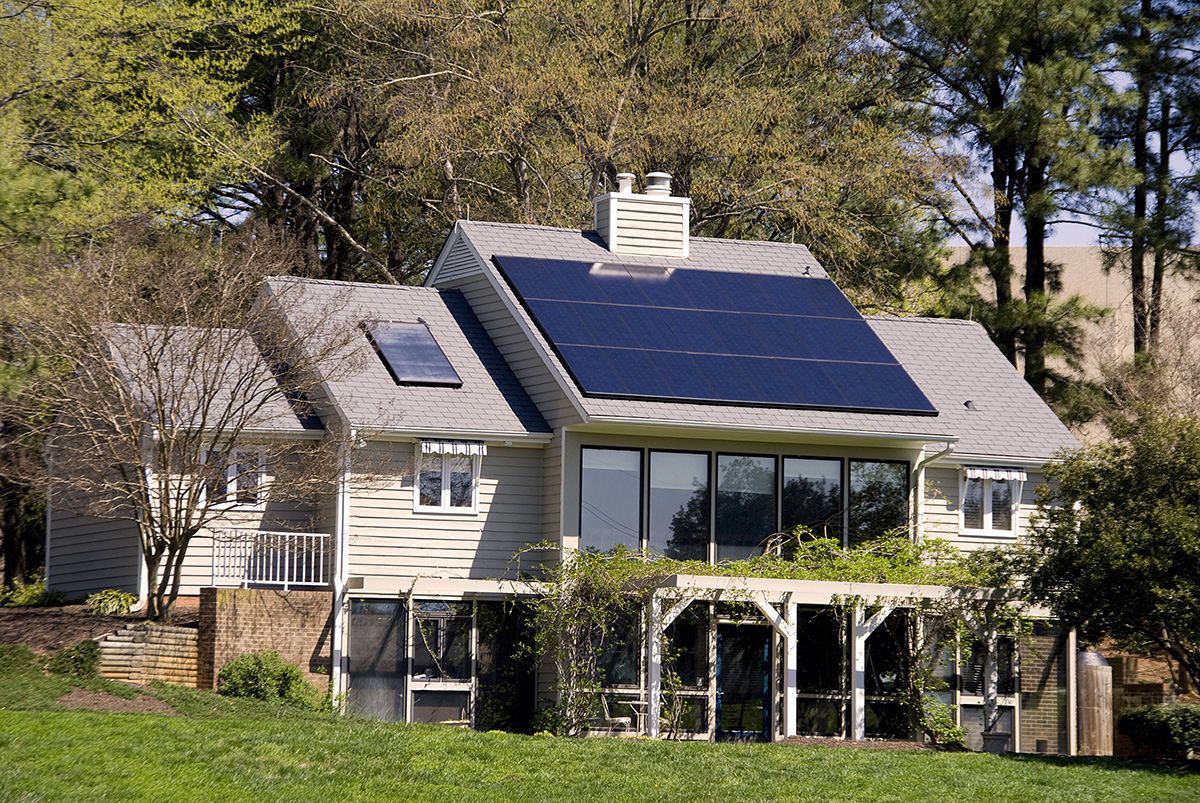
Technology will drive sustainability in real estate, with AI and IoT enabling energy-efficient designs. Deborah Kelly from Brickhunter emphasizes the growing demand for sustainable properties.


Remote Work Influencing Location Choices

Remote work trends will impact property preferences, with demand for flexible workspaces and suburban homes rising. Gemma Hughes from iGrafx highlights the need for developers to adapt to these changes.


Frictionless Transactions Through Digital Platforms

Digital platforms will streamline real estate transactions, from virtual tours to e-signing documents. Dean Lee from Sealions notes the potential for faster, safer, and more transparent transactions.


As we approach 2025, the real estate industry stands on the brink of a technological revolution. Embracing these innovations will be crucial for industry stakeholders to remain competitive and meet the evolving expectations of modern consumers.

“`

More Articles

Getting licensed or staying ahead in your career can be a journey—but it doesn’t have to be overwhelming. Grab your favorite coffee or tea, take a moment to relax, and browse through our articles. Whether you’re just starting out or renewing your expertise, we’ve got tips, insights, and advice to keep you moving forward. Here’s to your success—one sip and one step at a time!

Free Money in 2026? The Truth About the DOGE Dividend Stimulus Check

The DOGE Dividend: What You Need to Know About the Proposed 2026 Stimulus Check Hey there! If you’ve been wondering #ReadMore

Navigating Seller’s Market: Twin Cities Housing Trends and Predictions for 2024

The Minneapolis housing market is currently navigating a complex terrain, marked by a curious blend of optimism and caution. In 2024, home sales in the Twin Cities area experienced a modest uptick of 1.8%.

Future Homes: Sustainability and Smart Technology Shaping Real Estate

In the ever-evolving landscape of real estate, two groundbreaking trends are shaping the homes of tomorrow: sustainability and smart home technology. As consumers become increasingly aware of their environmental impact and as technology continues to advance at lightning speed, these trends are significantly influencing buying decisions in the residential real estate market.

By |February 25, 2025|Categories: Article, Real Estate, Technology|Tags: , |0 Comments

Harvard Study Projects Dramatic Slowdown in U.S. Household Growth

In a comprehensive analysis by Harvard's Joint Center for Housing Studies, there is a projected increase of 8.6 million households in the United States from 2025 to 2035. This equates to approximately 860,000 new households per year, marking a significant deceleration compared to the post-Great Recession era, which saw a sluggish yet larger gain of 10.1 million households.

By |February 24, 2025|Categories: Article, Demographics, Housing|Tags: , |0 Comments

AI Revolutionizing Real Estate: Predicting Trends and Values

The real estate industry, often seen as conservative, is gradually embracing technological advancements with AI leading the charge. Generative AI is already revolutionizing real estate marketing by enhancing customer experiences and optimizing content creation.

By |February 24, 2025|Categories: Article, Real Estate, Technology/AI|Tags: , |0 Comments

In-Person Work Policies: A Beacon of Hope for Commercial Real Estate

With office occupancy plummeting by 90% from February to March 2020, the impact of remote work was palpable. However, the researchers found that hybrid mandates and adding more in-office days could mitigate some of these challenges.