In a rapidly evolving world, technology is poised to redefine the real estate landscape by 2025. According to a recent article by AZ Big Media, the integration of advanced technologies such as AI, blockchain, virtual reality, and data analytics is set to revolutionize how properties are bought, sold, rented, and managed.
AI-Driven Property Recommendations
Artificial intelligence will streamline property searches, offering personalized recommendations based on user preferences such as budget, location, and lifestyle. John Beebe, CEO of Classic Car Deals, highlights the potential of AI to enhance predictive analytics, aiding buyers and investors in making informed decisions.
Blockchain for Transparent Transactions
Blockchain is expected to enhance security and transparency in real estate transactions. Dr. Nick Oberheiden of Oberheiden P.C. notes that smart contracts will automate agreements, eliminating intermediaries and reducing costs.
Virtual Reality for Property Tours
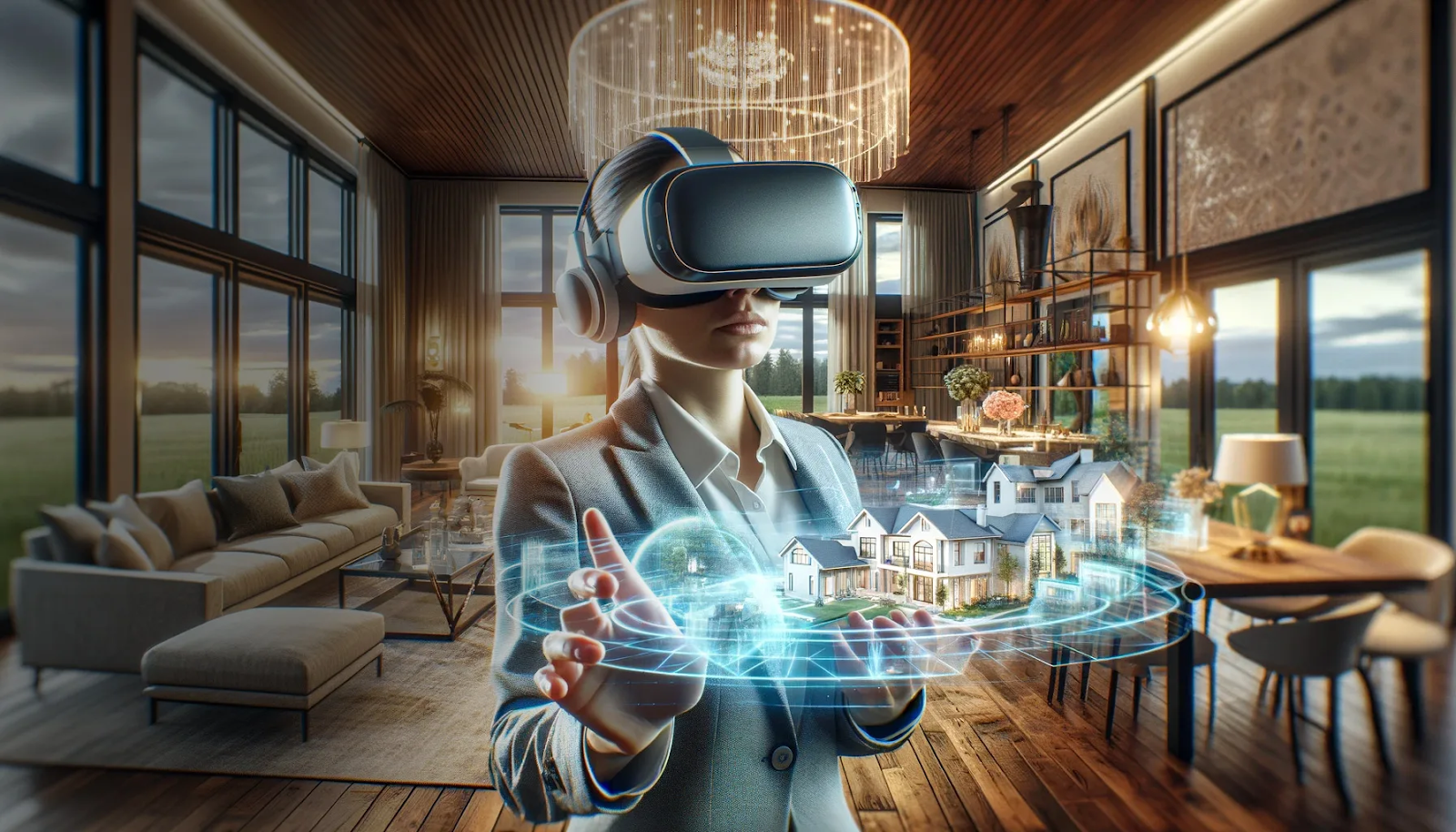
Virtual reality is transforming property marketing. Gerrid Smith, CEO of Fortress Growth, advocates for VR’s ability to offer immersive property tours, benefiting international buyers and enhancing the competitive edge of real estate firms.
Big Data for Market Insights
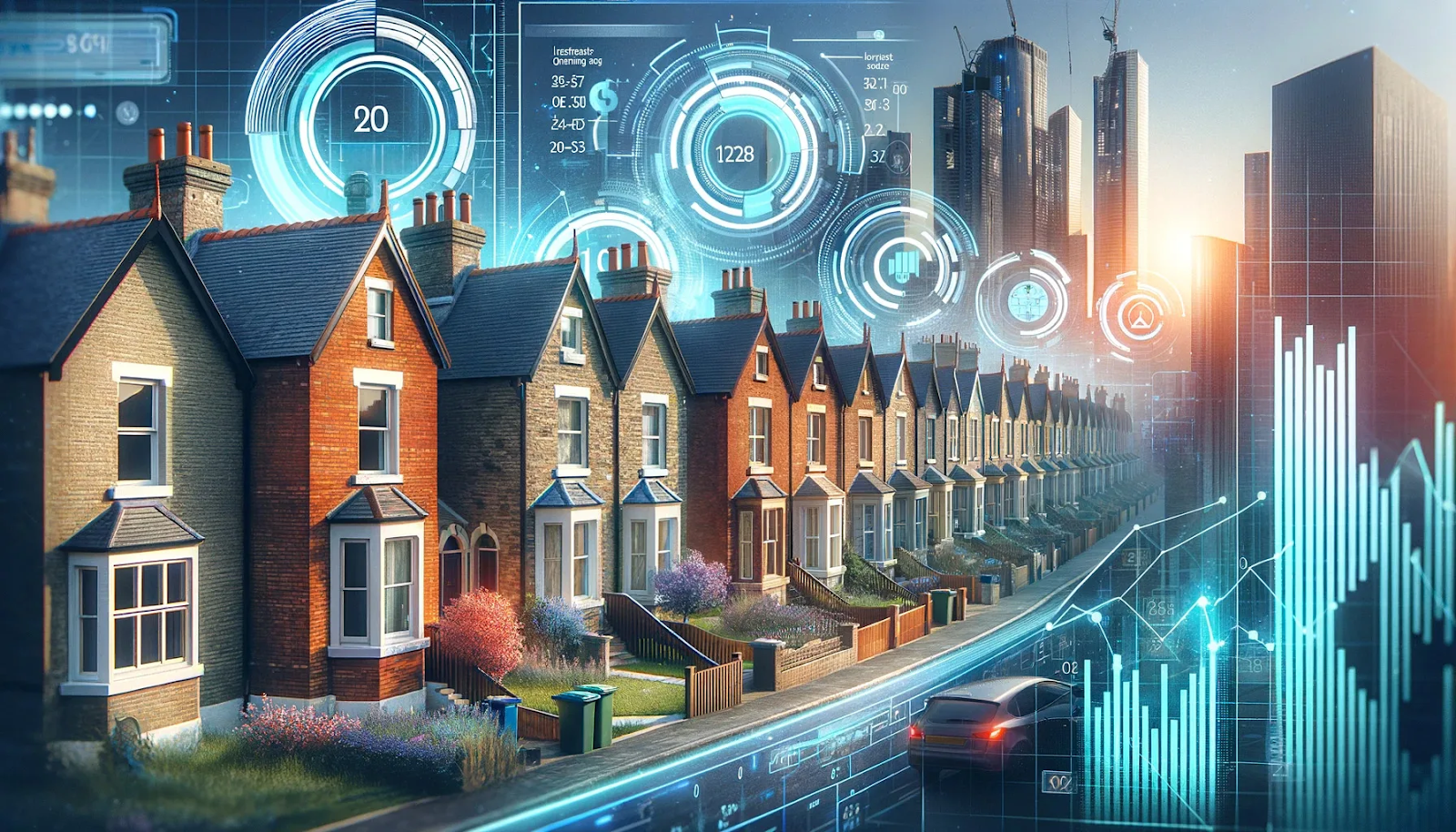
Big data is pivotal in forecasting market trends. Sam Hodgson from ISA.co.uk emphasizes the role of AI-enhanced data platforms in providing stakeholders with insights into property prices and market dynamics.
IoT-Enabled Smart Homes
The Internet of Things will integrate smart solutions into daily life, with energy-efficient lighting, air control, and security systems becoming standard. Alex L. from StudyX highlights the appeal to environmentally-conscious consumers.
Digital Twins for Property Development
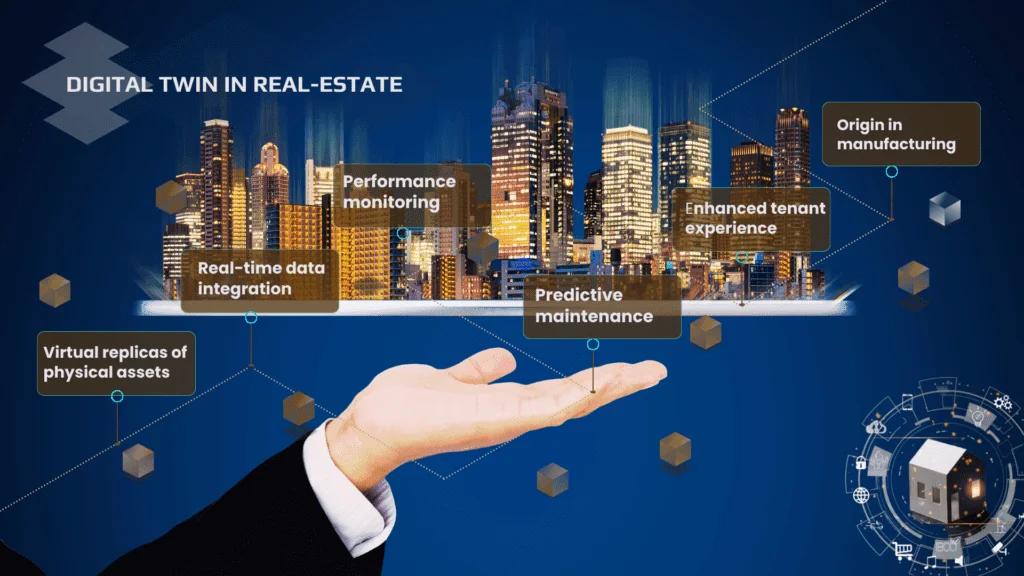
Digital twins will allow developers to visualize properties before construction, enhancing accuracy and efficiency. Ivy Berezo from LUCAS PRODUCTS & SERVICES notes the potential for real-time collaboration among stakeholders.
Enhanced Marketing with AR and AI
Augmented reality and AI will revolutionize property marketing, allowing potential buyers to visualize renovations and interact with properties through mobile applications. Leonidas Sfyris from Need a Fixer explains the potential for higher conversion rates.
Sustainable Real Estate Practices
Technology will drive sustainability in real estate, with AI and IoT enabling energy-efficient designs. Deborah Kelly from Brickhunter emphasizes the growing demand for sustainable properties.
Remote Work Influencing Location Choices
Remote work trends will impact property preferences, with demand for flexible workspaces and suburban homes rising. Gemma Hughes from iGrafx highlights the need for developers to adapt to these changes.
Frictionless Transactions Through Digital Platforms
Digital platforms will streamline real estate transactions, from virtual tours to e-signing documents. Dean Lee from Sealions notes the potential for faster, safer, and more transparent transactions.
As we approach 2025, the real estate industry stands on the brink of a technological revolution. Embracing these innovations will be crucial for industry stakeholders to remain competitive and meet the evolving expectations of modern consumers.
“`
More Articles
Getting licensed or staying ahead in your career can be a journey—but it doesn’t have to be overwhelming. Grab your favorite coffee or tea, take a moment to relax, and browse through our articles. Whether you’re just starting out or renewing your expertise, we’ve got tips, insights, and advice to keep you moving forward. Here’s to your success—one sip and one step at a time!
DeFi platforms are revolutionizing financial services, affecting everything from asset management to banking and compliance. This transformation is driven by the transparency and efficiency of blockchain technology, which introduces innovations like smart contracts and tokenization.
In a world where digital threats loom large, the banking sector finds itself at a critical juncture. A recent story shared by an acquaintance, Dave, underscores the pervasive risk of cyberattacks that banks face today. Dave, who works in the banking sector, was caught off guard by a phishing attempt that seemed legitimate. Fortunately, it was a security test, but it highlighted a glaring vulnerability.
Nursing vacancies have surged to 17%, more than doubling pre-pandemic levels, prompting hospitals to go beyond mere salary increases and benefits enhancements.
In an era where technology is reshaping every facet of our lives, healthcare stands at the forefront of this digital revolution. As we delve into 2024, the integration of telehealth, AI, and wearable technologies is setting new benchmarks in patient care and accessibility.
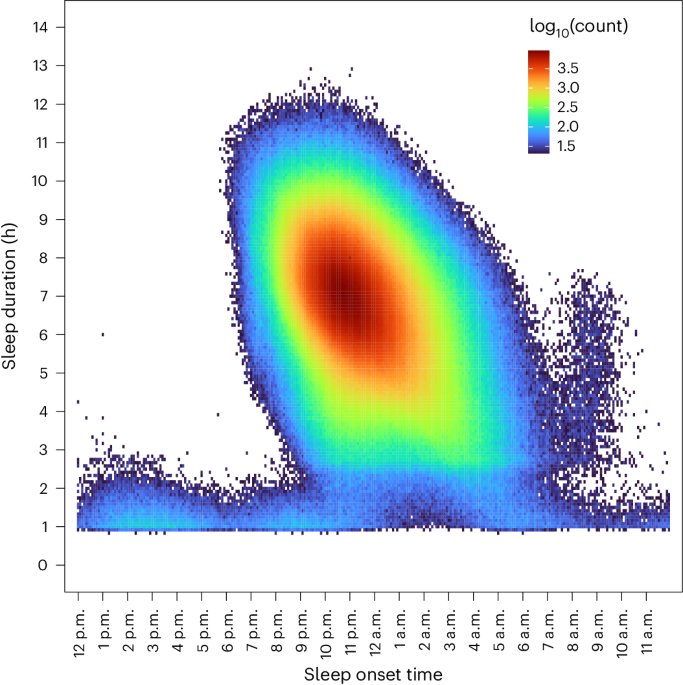
By tracking sleep patterns over extended periods, wearables provide a unique opportunity to observe the long-term effects of sleep on health, offering valuable insights for both public health policies and individual health management.