In a rapidly evolving world, technology is poised to redefine the real estate landscape by 2025. According to a recent article by AZ Big Media, the integration of advanced technologies such as AI, blockchain, virtual reality, and data analytics is set to revolutionize how properties are bought, sold, rented, and managed.
AI-Driven Property Recommendations
Artificial intelligence will streamline property searches, offering personalized recommendations based on user preferences such as budget, location, and lifestyle. John Beebe, CEO of Classic Car Deals, highlights the potential of AI to enhance predictive analytics, aiding buyers and investors in making informed decisions.
Blockchain for Transparent Transactions
Blockchain is expected to enhance security and transparency in real estate transactions. Dr. Nick Oberheiden of Oberheiden P.C. notes that smart contracts will automate agreements, eliminating intermediaries and reducing costs.
Virtual Reality for Property Tours
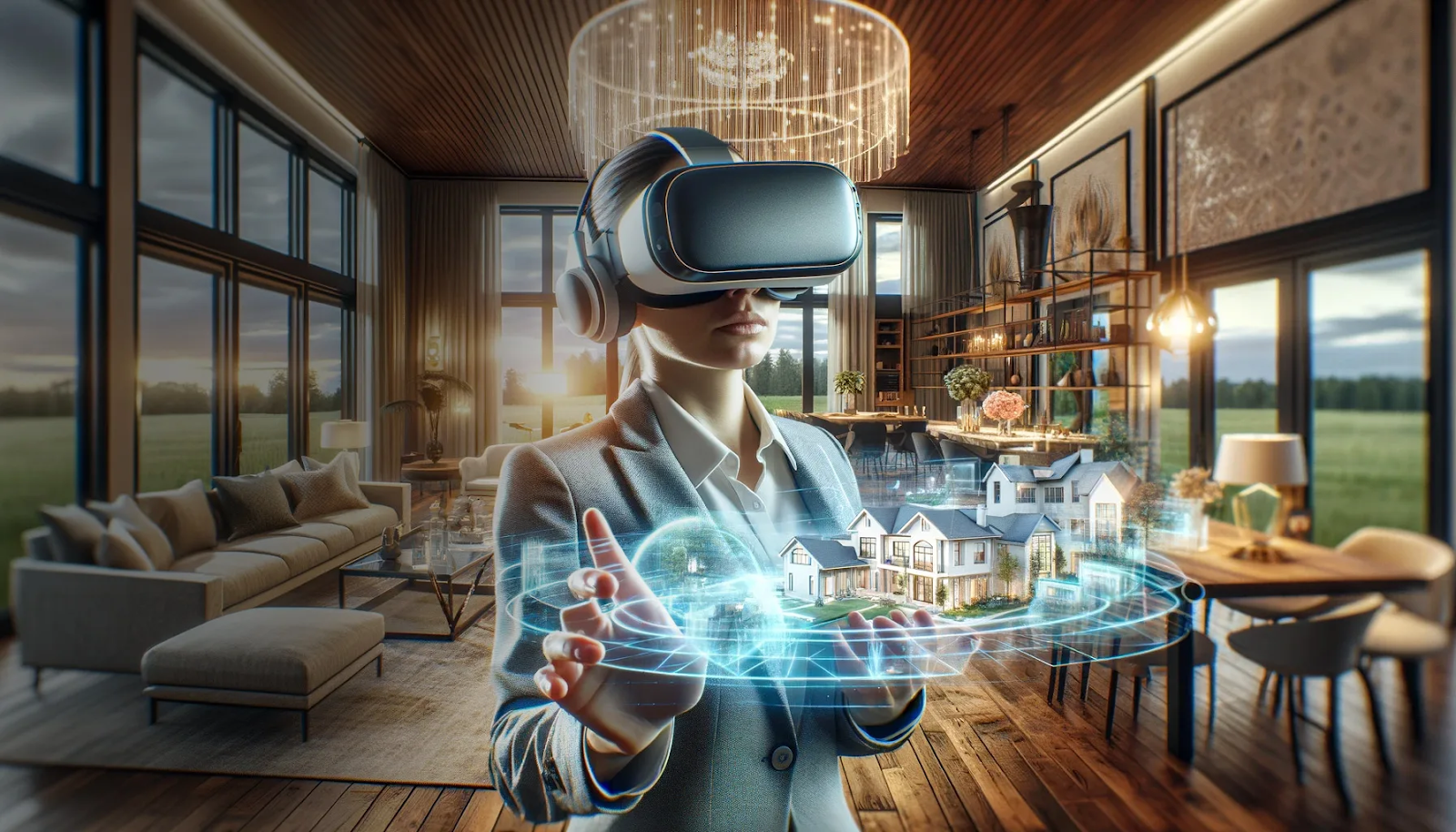
Virtual reality is transforming property marketing. Gerrid Smith, CEO of Fortress Growth, advocates for VR’s ability to offer immersive property tours, benefiting international buyers and enhancing the competitive edge of real estate firms.
Big Data for Market Insights
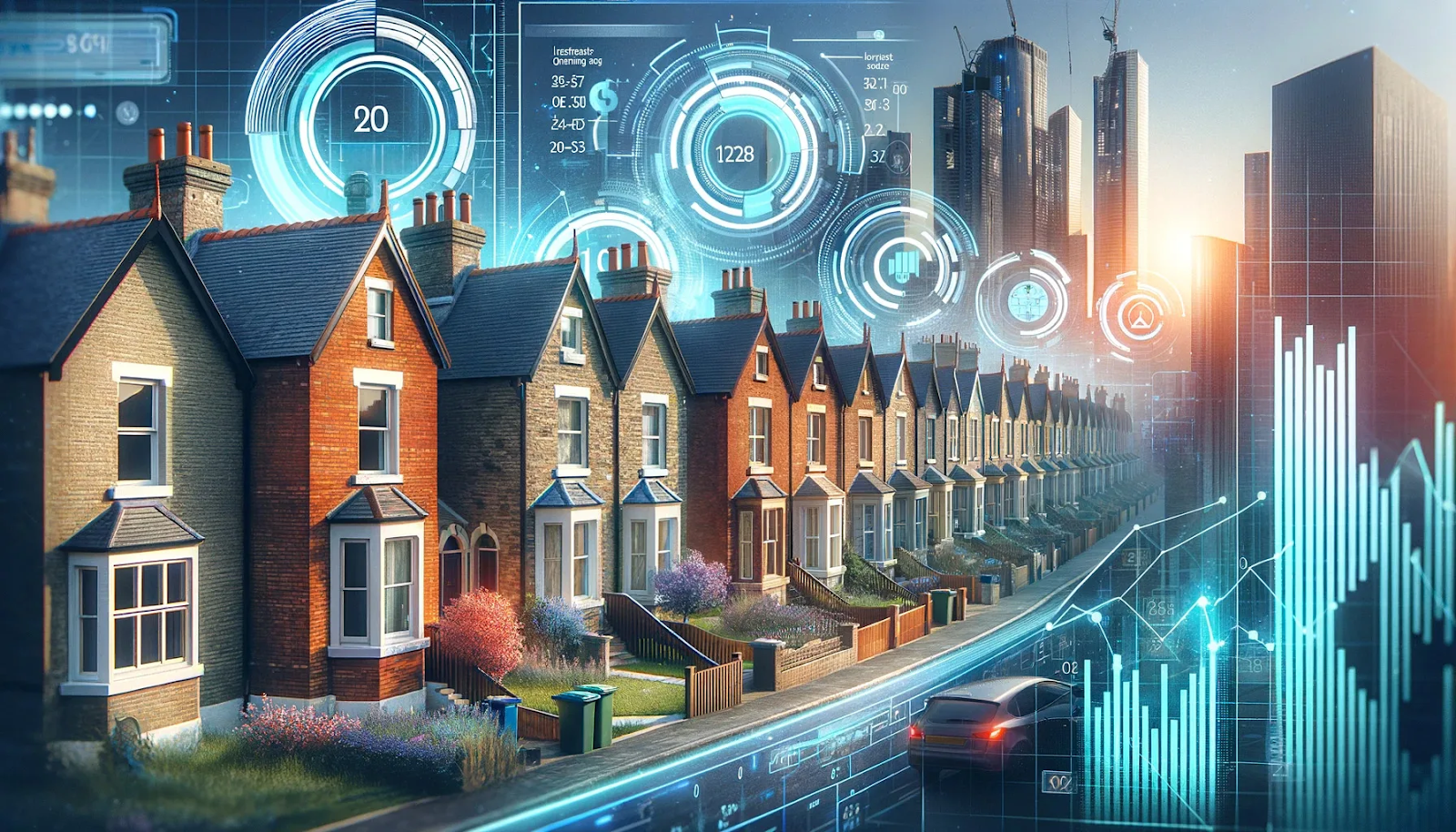
Big data is pivotal in forecasting market trends. Sam Hodgson from ISA.co.uk emphasizes the role of AI-enhanced data platforms in providing stakeholders with insights into property prices and market dynamics.
IoT-Enabled Smart Homes
The Internet of Things will integrate smart solutions into daily life, with energy-efficient lighting, air control, and security systems becoming standard. Alex L. from StudyX highlights the appeal to environmentally-conscious consumers.
Digital Twins for Property Development
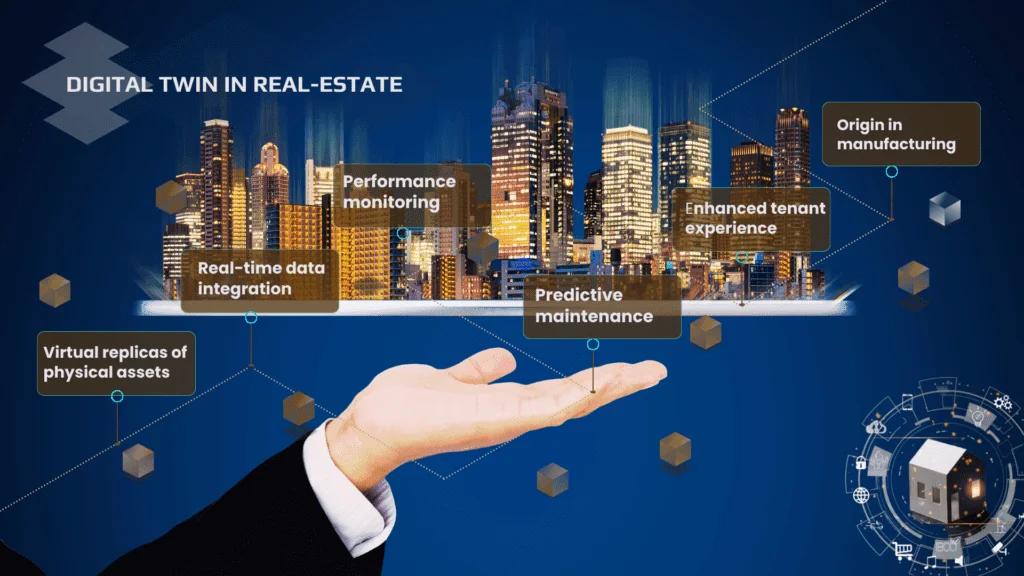
Digital twins will allow developers to visualize properties before construction, enhancing accuracy and efficiency. Ivy Berezo from LUCAS PRODUCTS & SERVICES notes the potential for real-time collaboration among stakeholders.
Enhanced Marketing with AR and AI
Augmented reality and AI will revolutionize property marketing, allowing potential buyers to visualize renovations and interact with properties through mobile applications. Leonidas Sfyris from Need a Fixer explains the potential for higher conversion rates.
Sustainable Real Estate Practices
Technology will drive sustainability in real estate, with AI and IoT enabling energy-efficient designs. Deborah Kelly from Brickhunter emphasizes the growing demand for sustainable properties.
Remote Work Influencing Location Choices
Remote work trends will impact property preferences, with demand for flexible workspaces and suburban homes rising. Gemma Hughes from iGrafx highlights the need for developers to adapt to these changes.
Frictionless Transactions Through Digital Platforms
Digital platforms will streamline real estate transactions, from virtual tours to e-signing documents. Dean Lee from Sealions notes the potential for faster, safer, and more transparent transactions.
As we approach 2025, the real estate industry stands on the brink of a technological revolution. Embracing these innovations will be crucial for industry stakeholders to remain competitive and meet the evolving expectations of modern consumers.
“`
More Articles
Getting licensed or staying ahead in your career can be a journey—but it doesn’t have to be overwhelming. Grab your favorite coffee or tea, take a moment to relax, and browse through our articles. Whether you’re just starting out or renewing your expertise, we’ve got tips, insights, and advice to keep you moving forward. Here’s to your success—one sip and one step at a time!
At the 2025 Florida Chamber Insurance Summit, Insurance Commissioner Mike Yaworsky announced that Florida’s long‑volatile insurance market has at last regained stability. After a decade marked by runaway litigation, inflated claims, and insurer exits, the sweeping tort and insurance reforms passed in 2022 and 2023 have reversed the decline. Litigation has fallen to pre‑2019 levels, new carriers and reinsurers are entering the state, and consumers now have more options than they’ve seen in years. Yaworsky cautioned, however, that rolling back these reforms would undo the progress and impose massive costs on Floridians.
Driving with an expired license is illegal in nearly every state, and in 2025 the consequences are more serious than most people realize. From fines and potential jail time to denied insurance claims and professional repercussions, even a simple lapse can create a ripple effect—especially for licensed professionals in real estate, insurance, mortgage, and finance. This quick morning read breaks down the real penalties, why professionals should pay attention, and how to renew your license before it becomes a costly mistake.
A new wave of chat‑based AI tools is reshaping how quickly real estate professionals can prepare and enhance listing photos. By simply describing changes—like brightening a kitchen, removing clutter, or fully staging a room—agents and property managers can produce high‑impact images in minutes. This technology not only speeds up market readiness but also boosts renter and buyer engagement by presenting spaces at their full potential from the very first glance.
The rental market is gearing up for major shifts in 2026, from rising compliance demands and surging insurance costs to the rapid adoption of AI‑powered property management tools. Tenants’ expectations are evolving just as quickly, pushing owners to deliver lifestyle‑driven communities rather than simple lease agreements. Investors and operators who embrace technology, stay ahead of regulatory changes and prioritize renter experience will be best positioned to thrive in the coming year.
Artificial intelligence is transforming real estate at lightning speed, turning days of manual work into minutes of automated insight. With the AI real estate market projected to soar from $222.65B in 2024 to over $975B by 2029, professionals who understand this technology now will lead the industry tomorrow. From smarter valuations to automated workflows and predictive analytics, AI is redefining how agents, investors, and property managers operate—making today the perfect time to embrace the tools shaping the future of real estate.
As AI takes over the repetitive tasks that slow agents down, industry expert Matt Britton says the future of real estate belongs to professionals who combine intelligent automation with irreplaceable human trust. Speaking to thousands at NAR NXT 2025, Britton emphasized that the next wave of success will come from agents who embrace AI workflows while doubling down on what technology can’t replicate: empathy, creativity, and meaningful client relationships.