Technology and the Future of Real Estate: Innovation Reshaping 2025

The real estate market, long anchored in tradition and personal relationships, is experiencing a remarkable technological transformation in 2025. This isn’t a gentle evolution—it’s a bold reinvention powered by artificial intelligence, blockchain innovation, immersive proptech, and next‑level data intelligence. Trending sources like InvestingLive demonstrate how deeply these advancements are reshaping every layer of the industry—from marketing touchpoints to financing ecosystems.
PropTech: The Quiet Giant Changing Everything
Proptech has evolved into a powerful ecosystem that now influences every step of the property lifecycle. Once limited to basic management tools, it now provides instant valuations, immersive search experiences, frictionless transactions, and expanded investor access. With Millennials and Gen‑Z demanding digital-first simplicity, those who adapt quickly aren’t just keeping up—they’re leading the future.
AI and Machine Learning: Smarter Valuations and Efficient Operations
AI is one of the strongest driving forces behind today’s real estate evolution. From automated market valuations to intelligent chatbots that manage inquiries and appointments, AI is helping professionals eliminate friction and accelerate results. Platforms offering instant digital valuations are redefining expectations for buyers and sellers alike.
Yet AI has its quirks. As Wired reports, overreliance can trigger incomplete or misleading insights. The winning formula blends AI’s precision with a human professional’s trusted judgment.
Blockchain and Tokenization: A New Era of Investment
Blockchain is marking the dawn of a more accessible investment era. Tokenization breaks property ownership into digital shares—allowing more investors to participate without massive upfront capital. Smart contracts streamline processes, reduce intermediaries, and bring unprecedented transparency to transactions. Institutions are already testing tokenized funds, pushing real estate deeper into the digital future.
Immersive Technology: Virtual Tours, AR Experiences, and Digital Twins
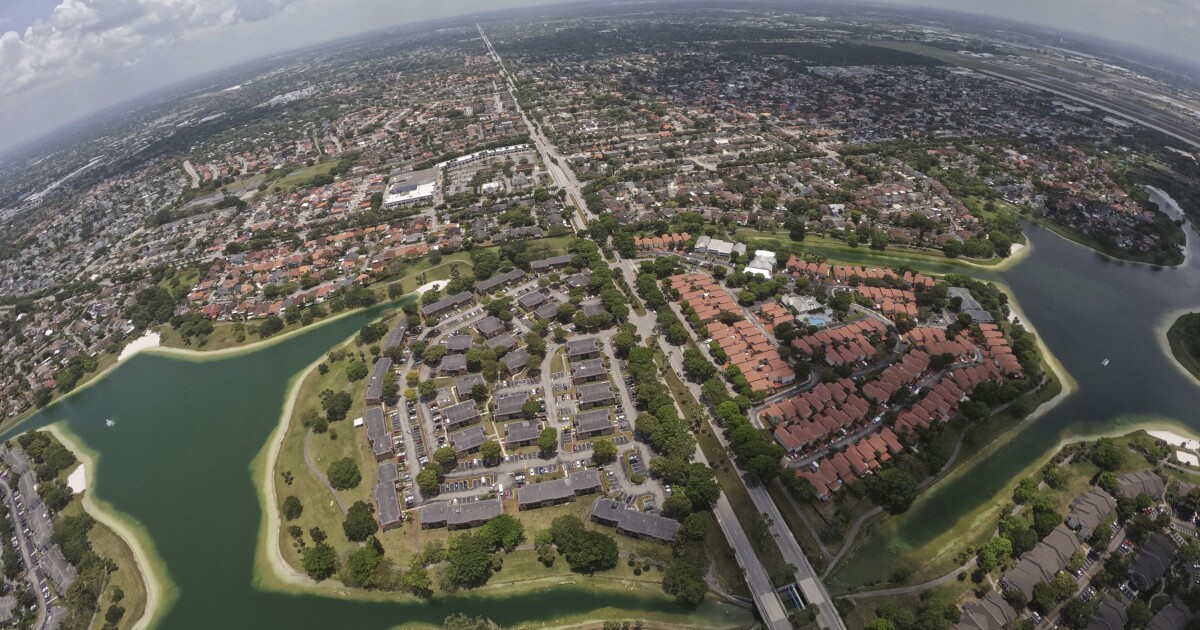
VR and AR are redefining property experiences by allowing buyers to explore homes without stepping inside. Developers are building advanced digital twins that model performance and efficiency. Drone imaging continues to elevate listings—making marketing more compelling, engaging, and share‑worthy.
Market Intelligence: Data Becomes the Ultimate Strategy
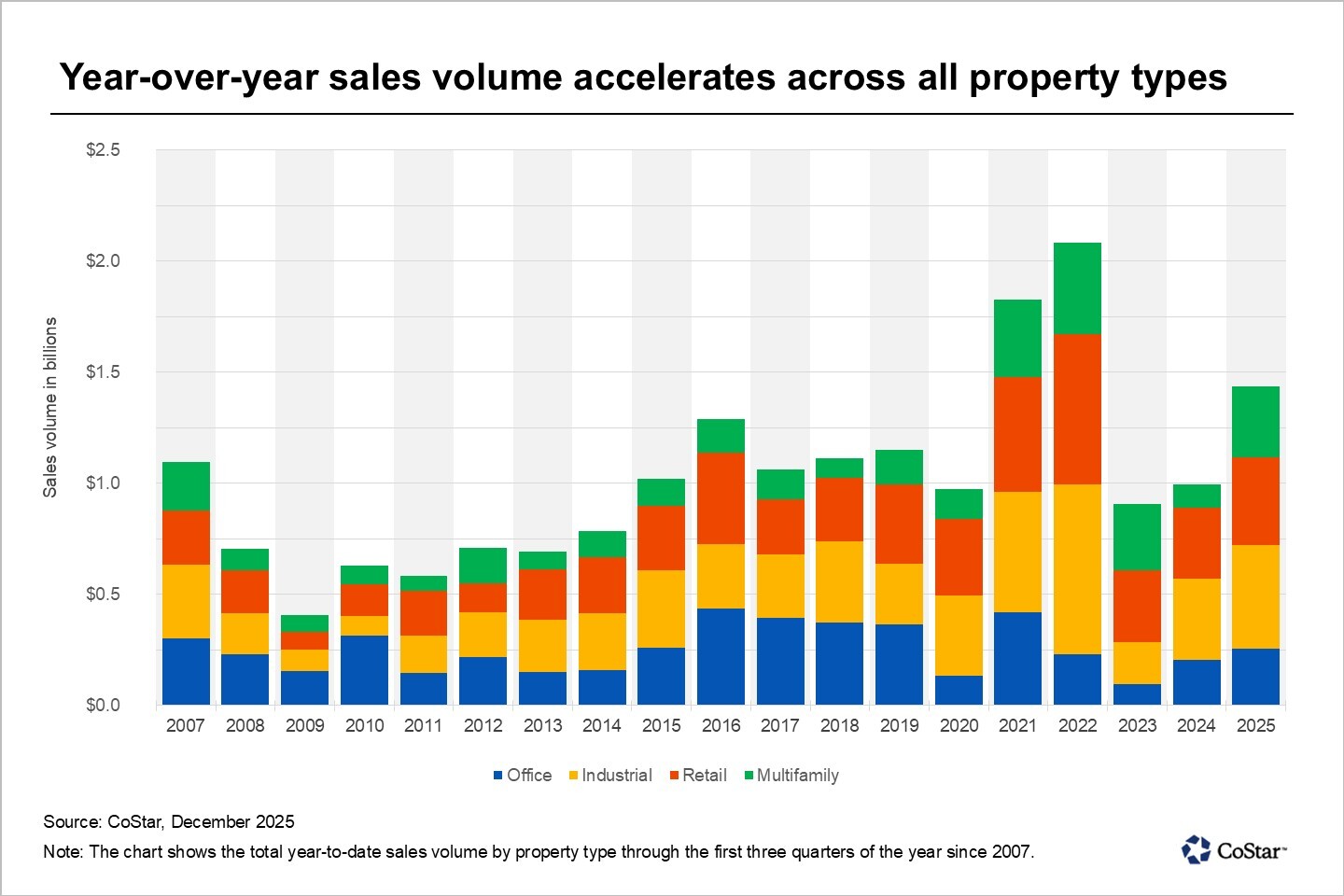
Predictive analytics and large‑scale data insights are empowering investors with unmatched clarity into market behavior, emerging opportunities, and pricing patterns. These tools are especially valuable in commercial real estate, where long-term forecasting and precision matter most.
The Human + Tech Future
Even as technology evolves at breathtaking speed, real estate remains deeply human. Buyers and sellers still depend on trusted professionals to interpret data, negotiate terms, and guide high‑stakes decisions. The future of real estate is a hybrid of digital efficiency and human expertise—a partnership designed for smarter, faster, more confident transactions.
For professionals preparing to thrive in this evolving landscape, modern education is essential. Cameron Academy remains committed to equipping real estate agents, brokers, and multi‑industry professionals with future‑ready training that keeps them sharp, informed, and competitive.
Conclusion
Technology isn’t simply supporting the real estate world—it’s redefining it from the inside out. With AI-powered valuations, tokenized investments, immersive viewing experiences, and predictive intelligence, the industry is experiencing one of its most transformative eras to date. For professionals across every sector, embracing innovation is no longer optional.
It’s the pathway to staying ahead.

 The Mortgage Industry’s AI Transformation: Automation Reshapes Lending From Application to Approval Gallery