Technology and the Future of Real Estate: Innovation Reshaping 2025

3d home technology icon

The real estate market, long anchored in tradition and personal relationships, is experiencing a remarkable technological transformation in 2025. This isn’t a gentle evolution—it’s a bold reinvention powered by artificial intelligence, blockchain innovation, immersive proptech, and next‑level data intelligence. Trending sources like InvestingLive demonstrate how deeply these advancements are reshaping every layer of the industry—from marketing touchpoints to financing ecosystems.

PropTech: The Quiet Giant Changing Everything

Proptech has evolved into a powerful ecosystem that now influences every step of the property lifecycle. Once limited to basic management tools, it now provides instant valuations, immersive search experiences, frictionless transactions, and expanded investor access. With Millennials and Gen‑Z demanding digital-first simplicity, those who adapt quickly aren’t just keeping up—they’re leading the future.

AI and Machine Learning: Smarter Valuations and Efficient Operations

AI is one of the strongest driving forces behind today’s real estate evolution. From automated market valuations to intelligent chatbots that manage inquiries and appointments, AI is helping professionals eliminate friction and accelerate results. Platforms offering instant digital valuations are redefining expectations for buyers and sellers alike.

Yet AI has its quirks. As Wired reports, overreliance can trigger incomplete or misleading insights. The winning formula blends AI’s precision with a human professional’s trusted judgment.

Blockchain and Tokenization: A New Era of Investment

Blockchain is marking the dawn of a more accessible investment era. Tokenization breaks property ownership into digital shares—allowing more investors to participate without massive upfront capital. Smart contracts streamline processes, reduce intermediaries, and bring unprecedented transparency to transactions. Institutions are already testing tokenized funds, pushing real estate deeper into the digital future.

Immersive Technology: Virtual Tours, AR Experiences, and Digital Twins

VR and AR are redefining property experiences by allowing buyers to explore homes without stepping inside. Developers are building advanced digital twins that model performance and efficiency. Drone imaging continues to elevate listings—making marketing more compelling, engaging, and share‑worthy.

Market Intelligence: Data Becomes the Ultimate Strategy

Predictive analytics and large‑scale data insights are empowering investors with unmatched clarity into market behavior, emerging opportunities, and pricing patterns. These tools are especially valuable in commercial real estate, where long-term forecasting and precision matter most.

The Human + Tech Future

Even as technology evolves at breathtaking speed, real estate remains deeply human. Buyers and sellers still depend on trusted professionals to interpret data, negotiate terms, and guide high‑stakes decisions. The future of real estate is a hybrid of digital efficiency and human expertise—a partnership designed for smarter, faster, more confident transactions.

For professionals preparing to thrive in this evolving landscape, modern education is essential. Cameron Academy remains committed to equipping real estate agents, brokers, and multi‑industry professionals with future‑ready training that keeps them sharp, informed, and competitive.

Conclusion

Technology isn’t simply supporting the real estate world—it’s redefining it from the inside out. With AI-powered valuations, tokenized investments, immersive viewing experiences, and predictive intelligence, the industry is experiencing one of its most transformative eras to date. For professionals across every sector, embracing innovation is no longer optional.
It’s the pathway to staying ahead.


More Articles

Getting licensed or staying ahead in your career can be a journey—but it doesn’t have to be overwhelming. Grab your favorite coffee or tea, take a moment to relax, and browse through our articles. Whether you’re just starting out or renewing your expertise, we’ve got tips, insights, and advice to keep you moving forward. Here’s to your success—one sip and one step at a time!

Florida Judge Reopens Hundreds of Citizens Insurance Disputes, Triggering Statewide Arbitration Shake‑Up

A Leon County judge has ordered Florida’s administrative courts to restart arbitration on more than 400 stalled Citizens Insurance cases, reigniting a legal showdown over whether the state’s insurer of last resort can force policyholders out of traditional courtrooms. The ruling directly conflicts with a separate Hillsborough County injunction that called Citizens’ arbitration system “likely unconstitutional,” setting up a rare judicial clash that could reshape how Floridians fight denied or underpaid property claims.

Inhabit Unveils Cutting‑Edge AI, Fraud Prevention, and Compliance Tech Set to Transform Property Management in 2025

Inhabit has launched a powerful new suite of AI‑driven tools designed to modernize leasing, strengthen fraud prevention, and simplify compliance for property managers nationwide. From advanced leasing assistants and NYC‑specific regulatory AI to instant income verification and upcoming identity‑screening tech, these innovations aim to solve some of the industry’s toughest challenges. Real estate professionals—especially in multifamily—can expect faster operations, stronger safeguards, and a more efficient workflow as these technologies roll out.

The Coming Housing Surplus: How Baby Boomer Demographics Could Reshape the Real Estate Market

A growing body of demographic research suggests that today’s housing shortage may give way to a future surplus as millions of Baby Boomer–owned homes return to the market over the next two decades. With affordability at historic lows and inventory still tight, this long‑term shift could eventually cool prices and transform the landscape for real estate professionals. The analysis draws parallels to aging populations abroad and highlights why understanding demographic cycles is becoming essential knowledge for agents, brokers, and mortgage professionals preparing for the next era of the housing market.

Griffin Funding Elevates John Jones to SVP of Growth as Lender Targets $3B in Non‑QM Volume

Griffin Funding has appointed John Jones as Senior Vice President of Growth and EOS Integrator, a move aimed at accelerating the lender’s push toward $3 billion in annual non‑QM loan volume by 2030. Jones, previously the company’s fractional integrator and COO, will lead expansion strategies, operational optimization, and leadership development as the lender strengthens its position in the increasingly competitive non‑QM market.

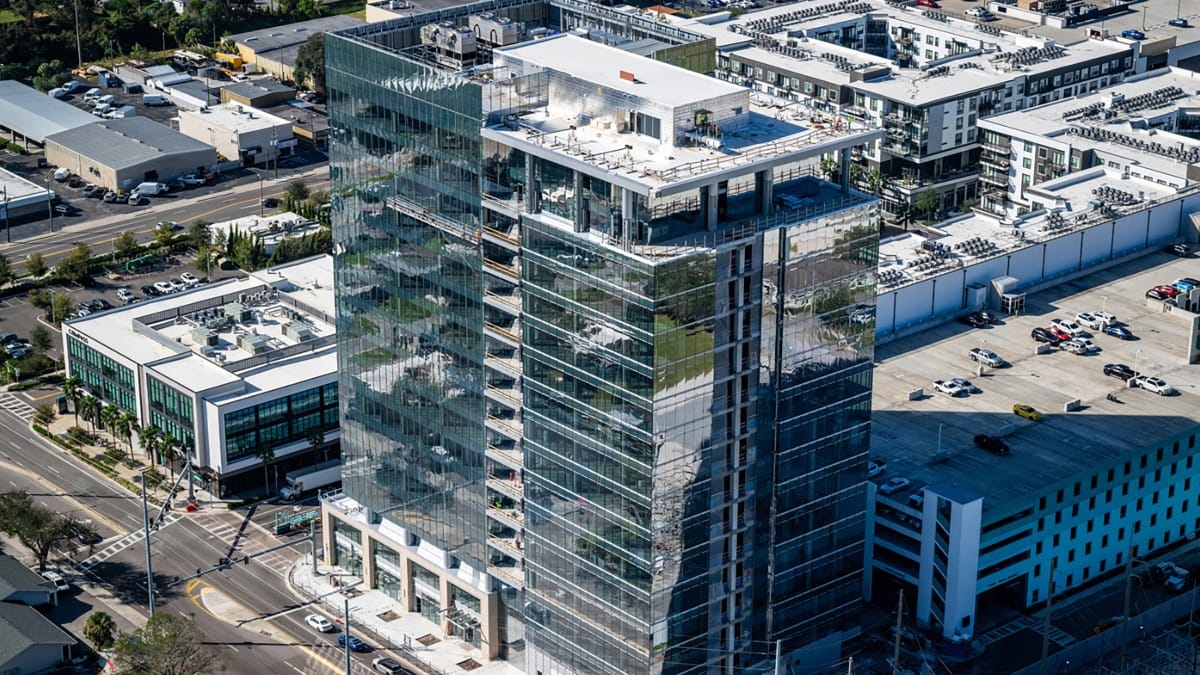
Tampa Defies National Real Estate Slowdown With Nearly 20% Stronger Multifamily Returns

A new report shows Tampa outperforming the national real estate slowdown with a 6.5 percent annualized multifamily return, nearly 20 percent higher than the U.S. average. While many metros face oversupply or regulatory drag, Tampa’s balanced development pipeline, strong population growth, and investor confidence continue to fuel resilient performance heading into 2026.

Global Investors Are Re‑Entering the Market—and Their Next Moves Could Reshape 2026

A new Colliers outlook reveals that global capital is picking up momentum again, with investors shifting toward more active, hands‑on strategies. Data centers are surging, offices are rebounding, and value‑add plays like adaptive reuse are defining the next wave of opportunity. Regional markets—from the U.S. to APAC—are seeing renewed demand as fundraising spreads across continents and investors seek speed, control, and scale. This snapshot helps today’s real estate and finance professionals stay aligned with where global money is moving next.