Telehealth: A Boon for Patients, A Challenge for Rural Hospitals
The advent of
telehealth has revolutionized the way patients, particularly those in
rural areas, access health care. By offering remote consultations and follow-up care,
telehealth provides a convenient alternative to traveling long distances to urban hospitals. However, this technological advancement brings with it a set of challenges that could reshape the rural health care landscape.
A recent study by
Zihan Ye from the University of Tennessee, alongside
Kimberly Cornaggia from Penn State University and
Xuelin Li from Columbia Business School, sheds light on the financial impacts of
telehealth on rural hospitals. Their research, soon to be published in the
Review of Financial Studies, reveals that while
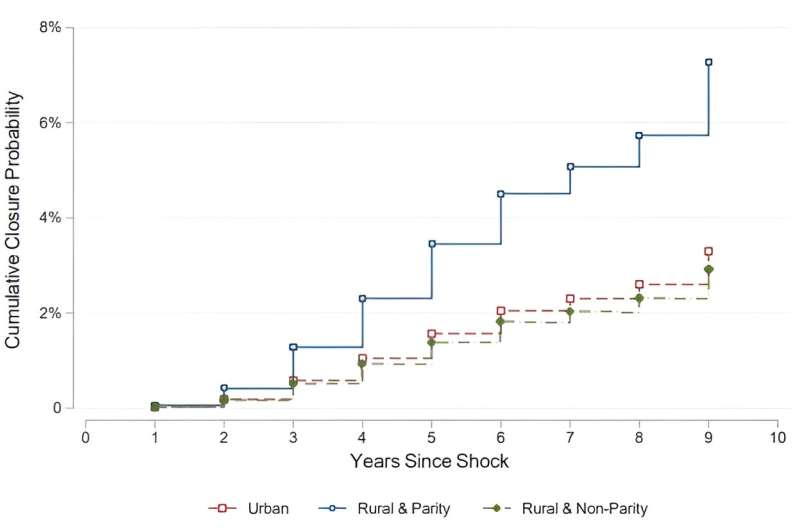
telehealth services enhance patient access to urban hospitals, they simultaneously drain resources from rural health care providers. This shift can lead to financial instability, increased leverage, and even bankruptcy for rural hospitals.
The study highlights a competitive imbalance, with urban hospitals benefiting from a larger patient base and the ability to charge higher fees. Conversely, rural hospitals, often unable to offer
telehealth services, face dwindling patient numbers and diminished financial viability. The situation is exacerbated by disparities in insurance reimbursements, particularly from
Medicare and
Medicaid, which often fall short compared to private insurers.
Ye and her colleagues urge policymakers to consider the long-term effects of
telehealth expansion, advocating for collaborative programs that allow rural hospitals to partake in the
telehealth market’s benefits. Such measures could alleviate financial pressures and ensure continued access to health care for rural communities.
As communication technology continues to evolve, understanding its broader impacts remains crucial for a balanced and equitable health care system. For more insights, visit the
original article on Medical Xpress.
References:

