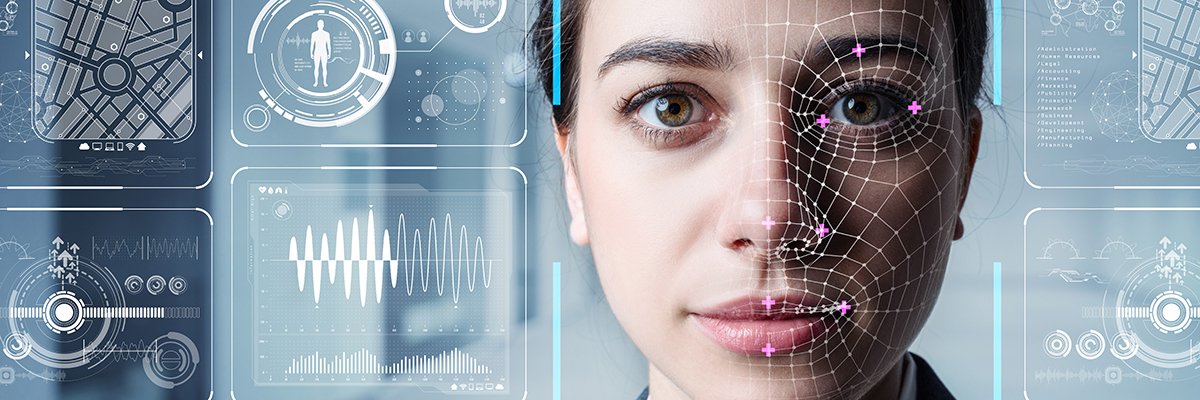
In the rapidly advancing world of healthcare, technologies such as AI and wearable devices are reshaping the way we diagnose, treat, and monitor mental health conditions. These innovations are not just a glimpse into the future; they are actively transforming the present landscape of medical practice. As highlighted in a recent article from Telehealth.org, these developments are pivotal in creating a patient-centered healthcare model that is both comprehensive and accessible.

Telehealth: Expanding Access and Enhancing Care

Telehealth has emerged as a cornerstone of healthcare delivery, particularly in the realm of behavioral health. The COVID-19 pandemic accelerated its adoption, turning it from a supplementary service into a primary mode of care. Telehealth effectively bridges the gap for rural and underserved populations, offering treatment options right at patients’ doorsteps. As telemedicine platforms become more sophisticated and integrate seamlessly with electronic health records (EHRs), they promise to provide personalized care and ensure continuity for a broader patient base.

The Role of Technology in Behavioral Health

AI and machine learning are at the forefront of revolutionizing behavioral health. By developing predictive models, these technologies can identify individuals at risk of mental health issues before they become severe. Wearable technology, which monitors real-time physiological data, and digital therapeutics, which deliver evidence-based interventions through software programs, offer valuable insights into patients’ mental and physical health. These tools are proving to be cost-effective solutions for managing therapy and treatment.

The Future Outlook

As telehealth and technology blend into every aspect of care, the healthcare industry is moving towards continuous, personalized, and preventive healthcare models. Advances in genomics and precision medicine will further aid healthcare providers in diagnosing and treating diseases tailored to individuals’ genetic makeups, enhancing both surgical outcomes and patient satisfaction.
However, as these advancements unfold, the industry faces challenges in safeguarding patient data and ensuring that AI tools are responsibly utilized. Balancing technological progression with ethical practices is crucial. For healthcare to successfully integrate these innovations, it must focus on enhancing the human element in medical care, while leveraging technology’s vast potential to improve patient outcomes.
Telehealth legal & ethical package Telehealth training bundles Bctp®-i telehealth training & certificate

More Articles

Getting licensed or staying ahead in your career can be a journey—but it doesn’t have to be overwhelming. Grab your favorite coffee or tea, take a moment to relax, and browse through our articles. Whether you’re just starting out or renewing your expertise, we’ve got tips, insights, and advice to keep you moving forward. Here’s to your success—one sip and one step at a time!

Beyond the Vocabulary Drill: Jonathan Goforth’s Real Estate Prep

Let’s face it—studying for the real estate exam feels like being force-fed a dictionary while simultaneously dissecting a Sudoku puzzle.

By |January 22, 2025|Categories: Article, Education, Real Estate|Tags: , |0 Comments

Mainstreaming Blockchain: A New Era of Finance

In a world where traditional finance is not just adopting crypto but being fundamentally rebuilt around it, Forbes reports on the seismic shifts reshaping the financial landscape.

By |January 22, 2025|Categories: Article, Finance, Technology|Tags: , |0 Comments

AI in Radiology: Balancing Innovation with Concerns

A recent analysis has shed light on the public's perception of artificial intelligence (AI) in radiology. While the majority of patients are supportive of AI's integration into this field, concerns about data privacy and job displacement remain prevalent.

By |January 21, 2025|Categories: Article, Healthcare, Technology|Tags: , |0 Comments

Predictive Analytics Tools Reshaping Business Landscape by 2025

Predictive analytics tools are not only becoming more sophisticated but also increasingly accessible to both IT professionals and business users alike.

Artificial Intelligence Revolutionizing Healthcare: A New Era of Efficiency and Patient Care

The global healthcare industry is on the brink of a transformative shift, as artificial intelligence (AI) technologies are poised to revolutionize patient care and operational efficiency.