In the rapidly advancing world of healthcare, technologies such as AI and wearable devices are reshaping the way we diagnose, treat, and monitor mental health conditions. These innovations are not just a glimpse into the future; they are actively transforming the present landscape of medical practice. As highlighted in a recent article from Telehealth.org, these developments are pivotal in creating a patient-centered healthcare model that is both comprehensive and accessible.
Telehealth: Expanding Access and Enhancing Care
Telehealth has emerged as a cornerstone of healthcare delivery, particularly in the realm of behavioral health. The COVID-19 pandemic accelerated its adoption, turning it from a supplementary service into a primary mode of care. Telehealth effectively bridges the gap for rural and underserved populations, offering treatment options right at patients’ doorsteps. As telemedicine platforms become more sophisticated and integrate seamlessly with electronic health records (EHRs), they promise to provide personalized care and ensure continuity for a broader patient base.
The Role of Technology in Behavioral Health
AI and machine learning are at the forefront of revolutionizing behavioral health. By developing predictive models, these technologies can identify individuals at risk of mental health issues before they become severe. Wearable technology, which monitors real-time physiological data, and digital therapeutics, which deliver evidence-based interventions through software programs, offer valuable insights into patients’ mental and physical health. These tools are proving to be cost-effective solutions for managing therapy and treatment.
The Future Outlook
As telehealth and technology blend into every aspect of care, the healthcare industry is moving towards continuous, personalized, and preventive healthcare models. Advances in genomics and precision medicine will further aid healthcare providers in diagnosing and treating diseases tailored to individuals’ genetic makeups, enhancing both surgical outcomes and patient satisfaction.
However, as these advancements unfold, the industry faces challenges in safeguarding patient data and ensuring that AI tools are responsibly utilized. Balancing technological progression with ethical practices is crucial. For healthcare to successfully integrate these innovations, it must focus on enhancing the human element in medical care, while leveraging technology’s vast potential to improve patient outcomes.
More Articles
Getting licensed or staying ahead in your career can be a journey—but it doesn’t have to be overwhelming. Grab your favorite coffee or tea, take a moment to relax, and browse through our articles. Whether you’re just starting out or renewing your expertise, we’ve got tips, insights, and advice to keep you moving forward. Here’s to your success—one sip and one step at a time!
With increasing governmental and private investments, the demand for precision medicine is expected to rise steadily. The commitment to addressing chronic conditions, coupled with strategic industry collaborations and advanced diagnostic tools, will sustain market growth.
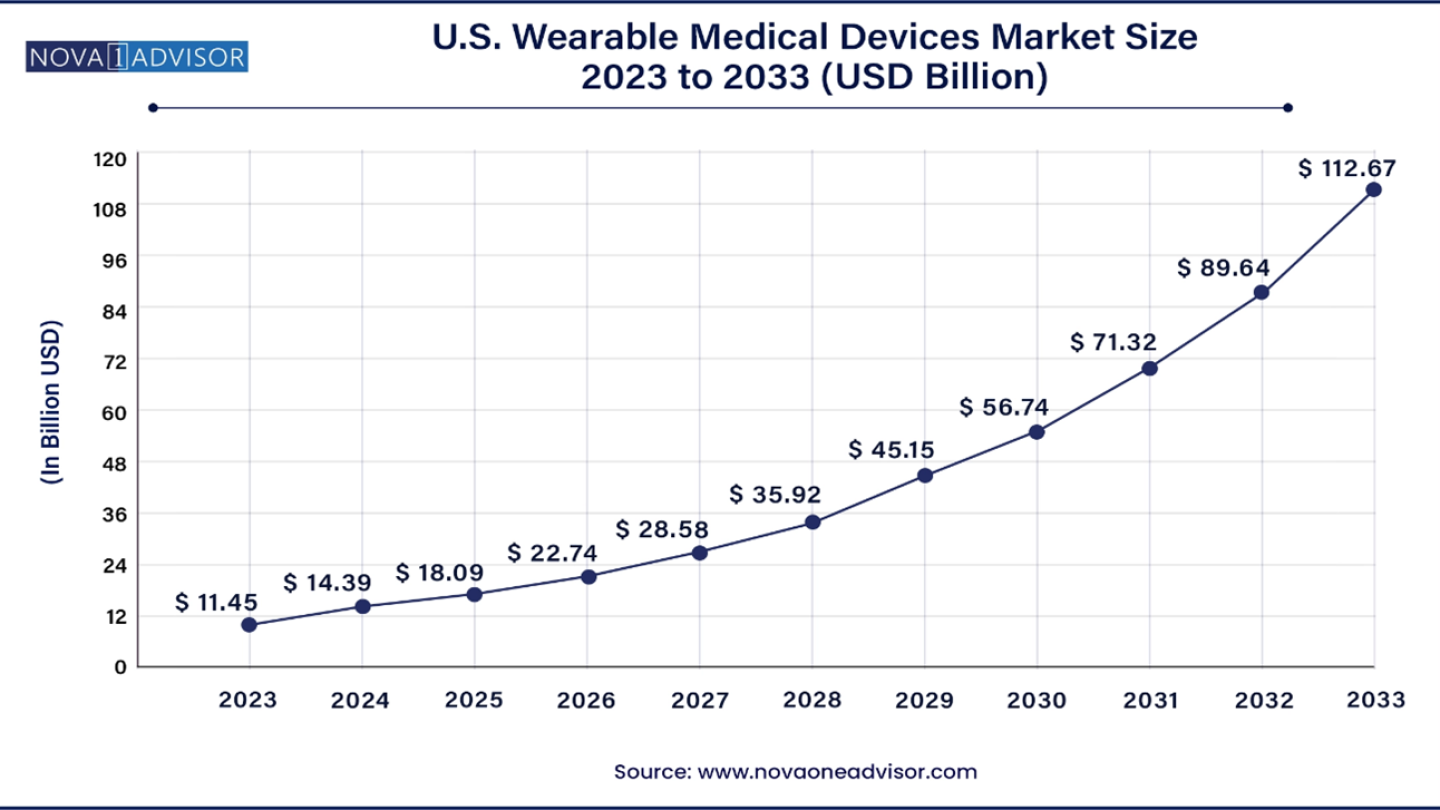
The U.S. wearable medical devices market, currently valued at an estimated $11.45 billion in 2023, is set to experience an astronomical rise to approximately $112.67 billion by 2033.
The real estate market is on the brink of transformation, captivating the attention of buyers, sellers, investors, and industry professionals. As we look toward the end of 2024, experts predict a shift in the landscape, particularly with home prices expected to decline due to increased inventory levels.
According to the World Health Organization (WHO), nearly two billion people in rural and remote areas worldwide lack access to essential healthcare solutions. This staggering statistic highlights a critical issue: the digital divide that limits telehealth services, primarily due to inadequate broadband access.
As AI becomes a staple in medical practice, it carries the risk of reinforcing existing biases entrenched in historical data. These biases can lead to skewed outcomes, particularly affecting marginalized communities such as the LGBTQIA+ and certain ethnic groups.
A groundbreaking study published in Volume 15 of Oncotarget on October 11, 2024, titled 'Relationship between the expressions of DLL3, ASC1, TTF-1 and Ki-67: First steps of precision medicine at SCLC' showcases pivotal advancements in the fight against small cell lung cancer (SCLC).