Telehealth: Bridging the Gap in Healthcare Access

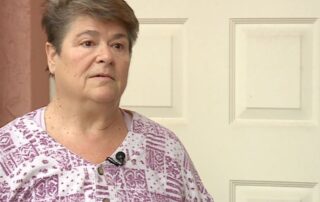
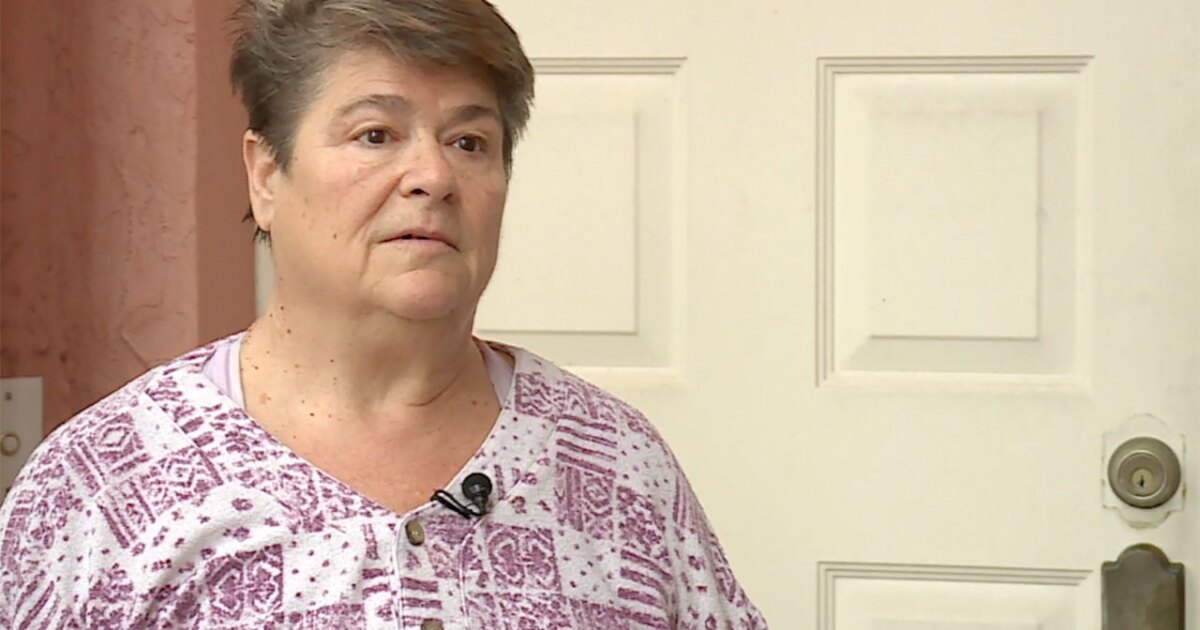
Senior woman on telemedicine visit Ensuring Equitable Access
Healthcare providers are grappling with significant challenges in delivering services to disadvantaged communities. Telehealth has emerged as a vital tool in this endeavor, playing a crucial role in providing equitable healthcare access by increasing the availability of specialists and reducing transportation barriers. This is particularly important for rural communities and the LGBTQ+ population.
Despite the medical community’s commitment to health equity, demographic factors continue to hinder many individuals from accessing necessary care. Disparities in healthcare access and outcomes are especially pronounced among different racial and ethnic groups. For instance, Black women have a 40% higher death rate from breast cancer compared to white women.
For rural communities, telehealth reduces the need for travel and supports primary care providers. Among LGBTQ+ populations, telehealth facilitates access to sensitive and knowledgeable care, ensuring privacy and confidentiality.

The Role of Telehealth


Telehealth not only offers a pathway to more equitable healthcare access but also ensures culturally competent care. It allows for flexible scheduling and provides cost-effective solutions. However, to maximize the benefits of telehealth for minority, rural, and LGBTQ+ communities, it’s crucial to address ongoing challenges such as digital literacy and access, ensuring provider training on unique health needs, and maintaining the privacy and security of digital health platforms.
Telehealth has not only been a lifeline during the COVID-19 pandemic but has also become a new standard in providing inclusive care, underscoring the need for ongoing efforts to ensure it serves all communities effectively.

More Articles

Getting licensed or staying ahead in your career can be a journey—but it doesn’t have to be overwhelming. Grab your favorite coffee or tea, take a moment to relax, and browse through our articles. Whether you’re just starting out or renewing your expertise, we’ve got tips, insights, and advice to keep you moving forward. Here’s to your success—one sip and one step at a time!

Housing Market Momentum Builds Early in 2026

The 2026 housing market is off to a powerful start, with rising buyer activity, expanding inventory, and steady pricing creating one of the most balanced environments in years. Pending home sales and mortgage applications are climbing, inventory has reached 2.6 months of supply, and new listings continue to grow—all signaling renewed confidence and fresh opportunity for real estate professionals nationwide.

Investors Prepare for a High-Confidence 2026 as Commercial Real Estate Stabilizes

A wave of optimism is returning to U.S. commercial real estate heading into 2026, with 95% of investors planning to buy the same or more property than last year. Capital allocations are rising, Sun Belt cities continue to shine, and multifamily remains the top asset class. As pricing stabilizes and debt pressures ease, professionals across real estate and finance are entering a year defined by strategic growth and renewed opportunity.

Florida Homeowners Face Rising Insurance Costs Despite Promised Relief

Floridians were told insurance relief was on the way, but many homeowners are seeing the opposite as premiums continue to rise. Despite state leaders insisting the market is improving and insurers filing rate decreases, homeowners like Lisa Riggi say the real‑world impact tells a different story. Higher property valuations, inflation, and updated replacement‑cost calculations are driving premiums upward, leaving some families questioning whether they can afford to remain in Florida.

Where Did Our Parents’ Florida Go? How Paradise Became Pricier, Glossier, and Almost Unrecognizable

Florida once promised retirees sunshine, low costs, and a $20,000 condo by the pool. But in 2026, soaring insurance rates, rising taxes, shrinking affordable housing, and an influx of wealthier newcomers have transformed the state into a far more expensive version of the paradise our parents knew. From corporate buyouts of mobile home parks to multimillion‑dollar estates redefining the market, today’s Florida is a place of widening gaps, disappearing middle‑range homes, and a future that demands deeper pockets—and smarter market insight.

Mortgage Rates Hold Steady in the Low 6% Range as Buyers Gain Breathing Room

Mortgage rates continue easing into the low 6% range, giving buyers and real estate professionals a welcome boost in early February 2026. Softer labor market data and slipping Treasury yields are helping keep rates stable, with 30‑year fixed loans averaging around 6.26% and refinance rates also trending lower. While affordability remains tight, today’s calmer rate environment is opening doors for more buyers—and offers agents a clearer outlook as they guide clients through a still‑shifting market.

Commercial Real Estate Investors Gear Up for a Major Buying Surge in 2026

A new CBRE survey reveals that U.S. commercial real estate investors are preparing to ramp up acquisitions in 2026, signaling renewed confidence across the sector. Dallas leads the nation for the fifth straight year as the top investment market, followed by Atlanta and San Francisco. Florida markets like Miami and Tampa continue to rise, while cities such as Charlotte, Nashville, Seattle, and New York also attract strong investor attention. With activity heating up nationwide, 2026 is shaping into a powerful year for commercial real estate professionals.