Telehealth: Bridging the Gap in Healthcare Access

Senior woman on telemedicine visit Ensuring Equitable Access
Healthcare providers are grappling with significant challenges in delivering services to disadvantaged communities. Telehealth has emerged as a vital tool in this endeavor, playing a crucial role in providing equitable healthcare access by increasing the availability of specialists and reducing transportation barriers. This is particularly important for rural communities and the LGBTQ+ population.
Despite the medical community’s commitment to health equity, demographic factors continue to hinder many individuals from accessing necessary care. Disparities in healthcare access and outcomes are especially pronounced among different racial and ethnic groups. For instance, Black women have a 40% higher death rate from breast cancer compared to white women.
For rural communities, telehealth reduces the need for travel and supports primary care providers. Among LGBTQ+ populations, telehealth facilitates access to sensitive and knowledgeable care, ensuring privacy and confidentiality.

The Role of Telehealth


Telehealth not only offers a pathway to more equitable healthcare access but also ensures culturally competent care. It allows for flexible scheduling and provides cost-effective solutions. However, to maximize the benefits of telehealth for minority, rural, and LGBTQ+ communities, it’s crucial to address ongoing challenges such as digital literacy and access, ensuring provider training on unique health needs, and maintaining the privacy and security of digital health platforms.
Telehealth has not only been a lifeline during the COVID-19 pandemic but has also become a new standard in providing inclusive care, underscoring the need for ongoing efforts to ensure it serves all communities effectively.


More Articles

Getting licensed or staying ahead in your career can be a journey—but it doesn’t have to be overwhelming. Grab your favorite coffee or tea, take a moment to relax, and browse through our articles. Whether you’re just starting out or renewing your expertise, we’ve got tips, insights, and advice to keep you moving forward. Here’s to your success—one sip and one step at a time!

Earnings and Benefits of a Real Estate Career in Florida

In Florida, the earnings of a real estate agent can vary significantly based on numerous factors including experience, location, and the current state of the housing market. The potential earnings are quite broad, with average salaries ranging from $40,000 to $90,000 per year. However, top-performing agents in high-demand areas can earn well above this range, sometimes exceeding $100,000 annually.

By |October 11, 2024|Categories: Article, Career/Earnings, Real Estate|Tags: |0 Comments

What to Know Before Screening a Section 8 Tenant

Screening prospective tenants who utilize Section 8 vouchers in Florida requires a thorough understanding of both federal and local laws to ensure compliance and avoid potential legal issues.

By |October 11, 2024|Categories: Article, Legal Compliance, Real Estate|Tags: , |0 Comments

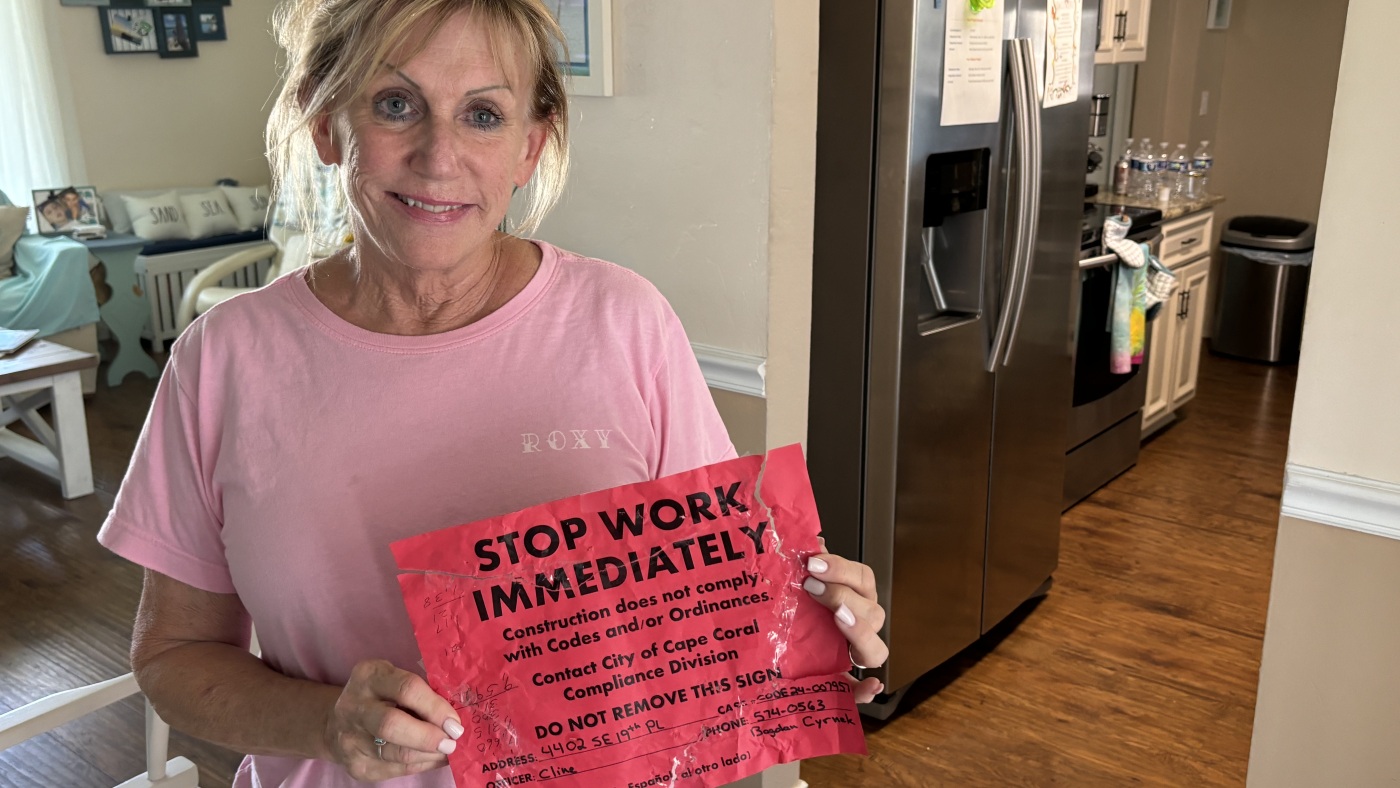
Cape Coral Grapples with Rising Housing Costs Post-Hurricane Ian

A study by First Street reveals Cape Coral has more properties at risk of flooding than any other city in Florida. Following Hurricane Ian, FEMA withdrew the city's flood insurance discount, blaming improper rebuilding practices.

By |October 11, 2024|Categories: Article, Natural Disasters, Real Estate|Tags: , |0 Comments

US Home Prices Set to Rise Amidst Rate Cuts

Goldman Sachs Research has projected a notable increase in US home prices, forecasting a 4.5% rise this year and a 4.4% increase in 2025, as the Federal Reserve is expected to implement interest rate cuts.

By |October 11, 2024|Categories: Article, Economics, Real Estate|Tags: , |0 Comments

Unmasking Myths: Screening Section 8 Tenants

In the realm of real estate, myths and misconceptions about Section 8 tenants often cloud the judgment of landlords. These stereotypes suggest that Section 8 tenants might damage property or fail to pay rent. However, these risks are inherent in renting to any tenant, not just those participating in the Section 8 program. The key to mitigating these risks lies in a robust and consistent screening process.

By |October 11, 2024|Categories: Article, Real Estate, Tenant Screening|Tags: |0 Comments