Telemedicine: A Beacon of Hope for Healthcare Accessibility

Telemedicine, a transformative force in healthcare, is reshaping how we access medical services, especially in underserved and remote regions. In a recent review article published by Cureus, the profound impact of telemedicine on healthcare accessibility is explored in depth. The article highlights how telemedicine addresses various barriers—geographical, temporal, financial, sociocultural, and infrastructural—thereby enhancing healthcare access for communities that need it the most.

Breaking Geographical Barriers

Telemedicine has emerged as a crucial tool in bridging geographical divides. By leveraging technological advancements such as video conferencing and wearable sensors, healthcare professionals can now reach patients in otherwise isolated regions. This not only facilitates round-the-clock consultations but also reduces unnecessary patient travel, offering a cost-effective solution to healthcare delivery.

Addressing Financial Hurdles

One of the significant advantages of telemedicine is its ability to cut travel expenses for patients, particularly in rural settings. However, the article points out that the initial costs of implementing telemedicine and the complexities of reimbursement frameworks pose challenges that require systematic policy support for sustainable growth.

Overcoming Sociocultural Challenges

The review sheds light on the cultural and language barriers that can impede telemedicine‘s effectiveness. It advocates for inclusive services tailored to diverse demographics, emphasizing the necessity of language interpretation services and culturally competent care to ensure equitable healthcare access.

The Road Ahead

Looking to the future, the article calls for enhanced integration of telemedicine across healthcare systems. This includes robust policy frameworks that support equitable access and quality service delivery while ensuring patient safety and data privacy. By addressing these challenges, stakeholders can harness telemedicine‘s full potential, ultimately advancing global healthcare accessibility.
Through collaborative efforts from policymakers, healthcare providers, and technology innovators, telemedicine‘s transformative potential can be accelerated. This will improve health equity and outcomes globally, ensuring that all individuals, regardless of their location or socioeconomic status, have access to the healthcare they need.


More Articles

Getting licensed or staying ahead in your career can be a journey—but it doesn’t have to be overwhelming. Grab your favorite coffee or tea, take a moment to relax, and browse through our articles. Whether you’re just starting out or renewing your expertise, we’ve got tips, insights, and advice to keep you moving forward. Here’s to your success—one sip and one step at a time!

The PropTech Revolution: Transforming Real Estate with Innovation

"The challenges faced by the PropTech industry are vast, ranging from data security and regulatory compliance to the implementation of sustainable practices. Yet, technologies such as Artificial Intelligence (AI), Virtual Reality (VR), Internet of Things (IoT), and Blockchain are pivotal in addressing these hurdles."

By |February 9, 2025|Categories: Article, Real Estate, Technology|Tags: , |0 Comments

Emerging Neighbourhoods: The UK’s Next Property Hotspots

This shift is reshaping the landscape of the British property market, uncovering hidden gems that promise significant returns.

By |February 9, 2025|Categories: Article, Investment, Real Estate|Tags: , |0 Comments

2025 Commercial Real Estate Outlook: Navigating a New Era

The commercial real estate sector is poised to emerge from recent tumultuous years, armed with insights and strategies to better position itself for the future. According to a detailed analysis by Deloitte, the 2025 outlook offers a roadmap for industry leaders to navigate the evolving landscape.

By |February 8, 2025|Categories: Article, Economic Outlook, Real Estate|Tags: |0 Comments

Navigating the New IRS 1099-K Reporting Rules: What Freelancers and Small Business Owners Need to Know

The IRS is ushering in a new era of tax reporting that will significantly affect freelancers, small business owners, and anyone who earns income through third-party payment apps like Venmo or PayPal. These changes are embodied in the form of adjusted thresholds for the Form 1099-K, a tax document used to report income from such platforms. Previously, this form was only required for those earning at least $20,000 annually through these services. However, new phased-in rules will reduce this threshold to $600 by 2026, starting with earnings over $5,000 in 2024.

By |February 8, 2025|Categories: Article, Finance, Taxation|Tags: |0 Comments

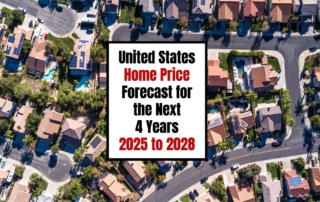
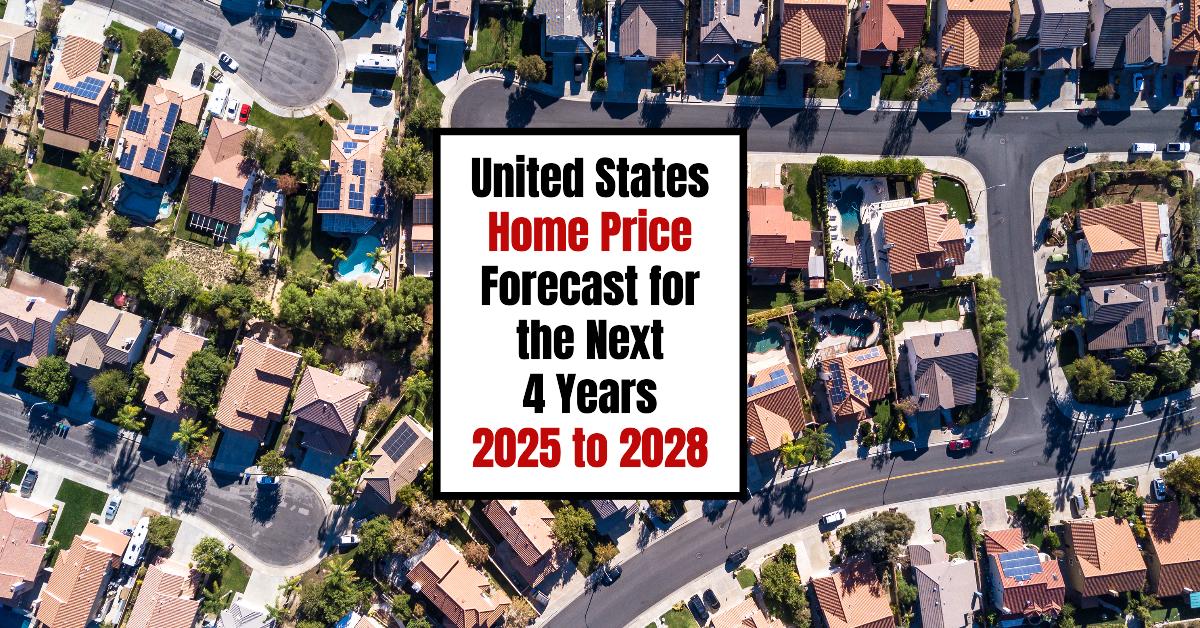
Forecasting the Future: Housing Market Insights for 2025 to 2028

As we look to the horizon of the U.S. housing market, Fannie Mae's Home Price Expectations Survey offers a crucial glimpse into the coming years. Compiled from the insights of over 100 housing experts, this survey predicts notable changes in home prices from 2025 to 2028. The analysis, originally detailed by Norada Real Estate Investments, suggests a shift in market dynamics that could impact homeowners and investors alike.

By |February 8, 2025|Categories: Article, Market Analysis, Real Estate|Tags: , |0 Comments

The AI Revolution in Real Estate: A New Era of Market and Property Insights

The real estate industry, long perceived as conservative and slow to adapt, is now on the cusp of a technological revolution.