Telemedicine: A Beacon of Hope for Healthcare Accessibility

Telemedicine, a transformative force in healthcare, is reshaping how we access medical services, especially in underserved and remote regions. In a recent review article published by Cureus, the profound impact of telemedicine on healthcare accessibility is explored in depth. The article highlights how telemedicine addresses various barriers—geographical, temporal, financial, sociocultural, and infrastructural—thereby enhancing healthcare access for communities that need it the most.

Breaking Geographical Barriers

Telemedicine has emerged as a crucial tool in bridging geographical divides. By leveraging technological advancements such as video conferencing and wearable sensors, healthcare professionals can now reach patients in otherwise isolated regions. This not only facilitates round-the-clock consultations but also reduces unnecessary patient travel, offering a cost-effective solution to healthcare delivery.

Addressing Financial Hurdles

One of the significant advantages of telemedicine is its ability to cut travel expenses for patients, particularly in rural settings. However, the article points out that the initial costs of implementing telemedicine and the complexities of reimbursement frameworks pose challenges that require systematic policy support for sustainable growth.

Overcoming Sociocultural Challenges

The review sheds light on the cultural and language barriers that can impede telemedicine‘s effectiveness. It advocates for inclusive services tailored to diverse demographics, emphasizing the necessity of language interpretation services and culturally competent care to ensure equitable healthcare access.

The Road Ahead

Looking to the future, the article calls for enhanced integration of telemedicine across healthcare systems. This includes robust policy frameworks that support equitable access and quality service delivery while ensuring patient safety and data privacy. By addressing these challenges, stakeholders can harness telemedicine‘s full potential, ultimately advancing global healthcare accessibility.
Through collaborative efforts from policymakers, healthcare providers, and technology innovators, telemedicine‘s transformative potential can be accelerated. This will improve health equity and outcomes globally, ensuring that all individuals, regardless of their location or socioeconomic status, have access to the healthcare they need.


More Articles

Getting licensed or staying ahead in your career can be a journey—but it doesn’t have to be overwhelming. Grab your favorite coffee or tea, take a moment to relax, and browse through our articles. Whether you’re just starting out or renewing your expertise, we’ve got tips, insights, and advice to keep you moving forward. Here’s to your success—one sip and one step at a time!

Why Toronto’s Real Estate Market Is a Rollercoaster Using Would You Rather Decisions

By 2022, the average cost had skyrocketed to $1.19 million. That’s, like, a 28% increase in just three years! But as with all wild parties, there was an inevitable hangover.

By |January 19, 2025|Categories: Article, Market Analysis, Real Estate|Tags: , |0 Comments

TikTok’s Ban: US Social Media Frenzy

"And let’s not forget this might be the start of a multi-platform domino effect. If TikTok is toast, Instagram Reels, YouTube Shorts, or bizarre TikTok lookalikes (looking at you, Lemon8) are poised to swoop in and capitalize."

By |January 19, 2025|Categories: Article, Humor, Technology|Tags: |0 Comments

Sutter Health’s Innovative Approach to Sepsis Management

Sutter Health is pioneering a transformative approach in critical care by introducing the FloPatch, a novel wearable device aimed at enhancing clinical decision-making. This initiative focuses on improving sepsis management within intensive care units (ICUs), leveraging real-time data to support critical treatment decisions.

TikTok Ban in the U.S.: A Landmark Moment in National Security

TikTok, the immensely popular social media app, is now banned in the United States following a Supreme Court ruling that mandated the app to sever ties with its China-based parent company, ByteDance, or face a ban.

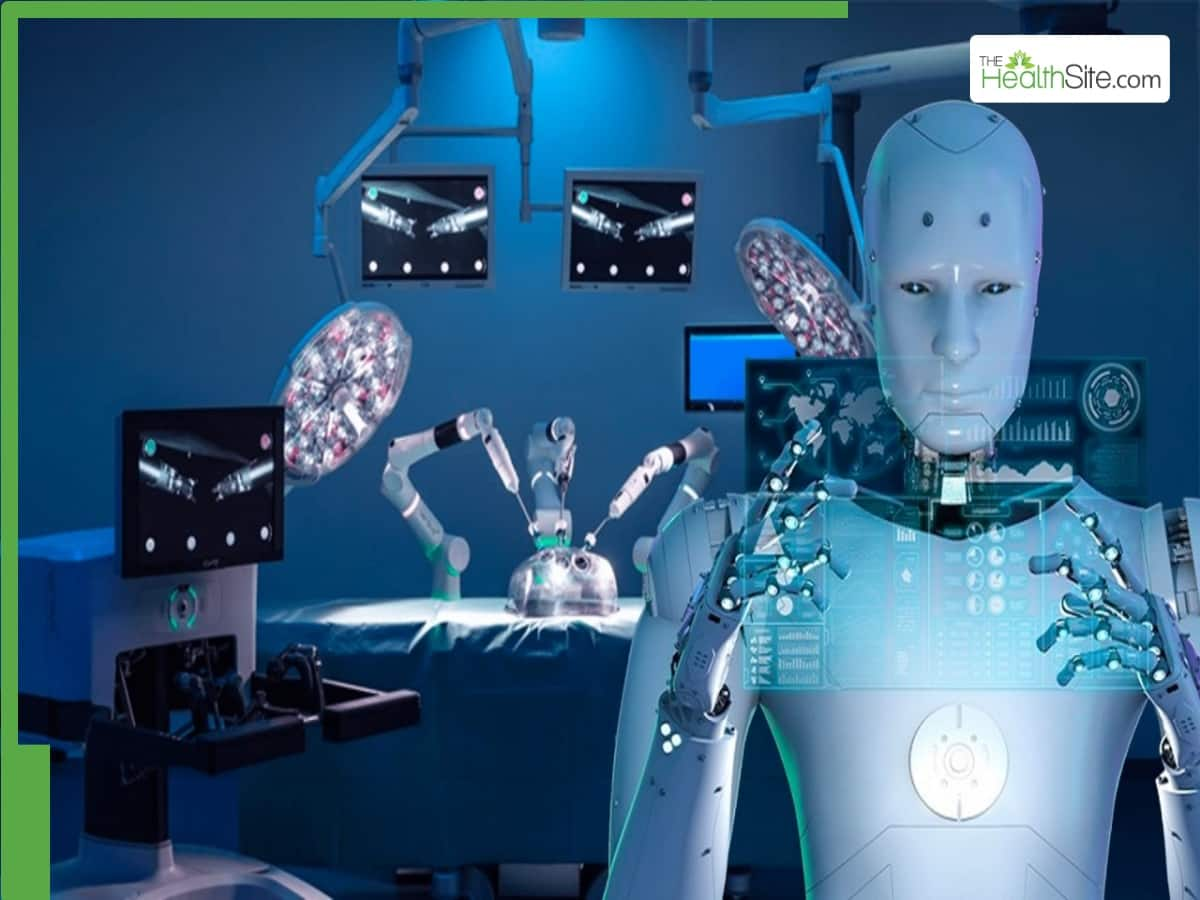
AI and Robotics Revolutionizing Indian Healthcare

AI is poised to revolutionize the diagnostic process, enabling more accurate and faster diagnoses than ever before. Traditional methods, which rely heavily on manual interpretations of medical images, often suffer from delays and errors. In contrast, AI-driven diagnostic tools can swiftly analyze vast amounts of medical data, including X-rays, MRIs, and CT scans, with remarkable precision. This technology is already being leveraged for the early detection of diseases such as cancer and diabetic retinopathy, making diagnostics more efficient and accessible than ever.

By |January 19, 2025|Categories: Article, Healthcare, Technology|Tags: , |0 Comments

Embracing Smart Renovations: Europe’s Path to Sustainable Building

Currently, buildings account for over 30% of the EU's environmental footprint, a staggering figure that underscores the urgency of reform.